Elevating Coastal Living: The Art of Bayview Renovations
The allure of living near the water is a timeless draw for homeowners seeking tranquility, beauty, and a connection with nature. Properties overlooking a bay offer a unique canvas where the shifting tides, coastal light, and expansive skies become an integral part of the daily living experience. To truly capture this magic, residential design must go beyond standard architectural practices, adapting specifically to the demands and opportunities of a waterfront setting.
Embarking on bayview renovations requires a deep appreciation for both aesthetic harmony and environmental resilience. These specialized projects demand a careful balance between opening up the home to breathtaking vistas and protecting the structure from the harsh realities of coastal weather. Salt spray, high winds, and intense sunlight all play a role in how a coastal home ages, making material choices just as critical as the layout itself.
Related posts

Transforming Spaces: The Indispensable Role of a Renovation Company
Our homes are more than just structures; they are reflections of our lives, our aspirations, and our comfort....
Read more →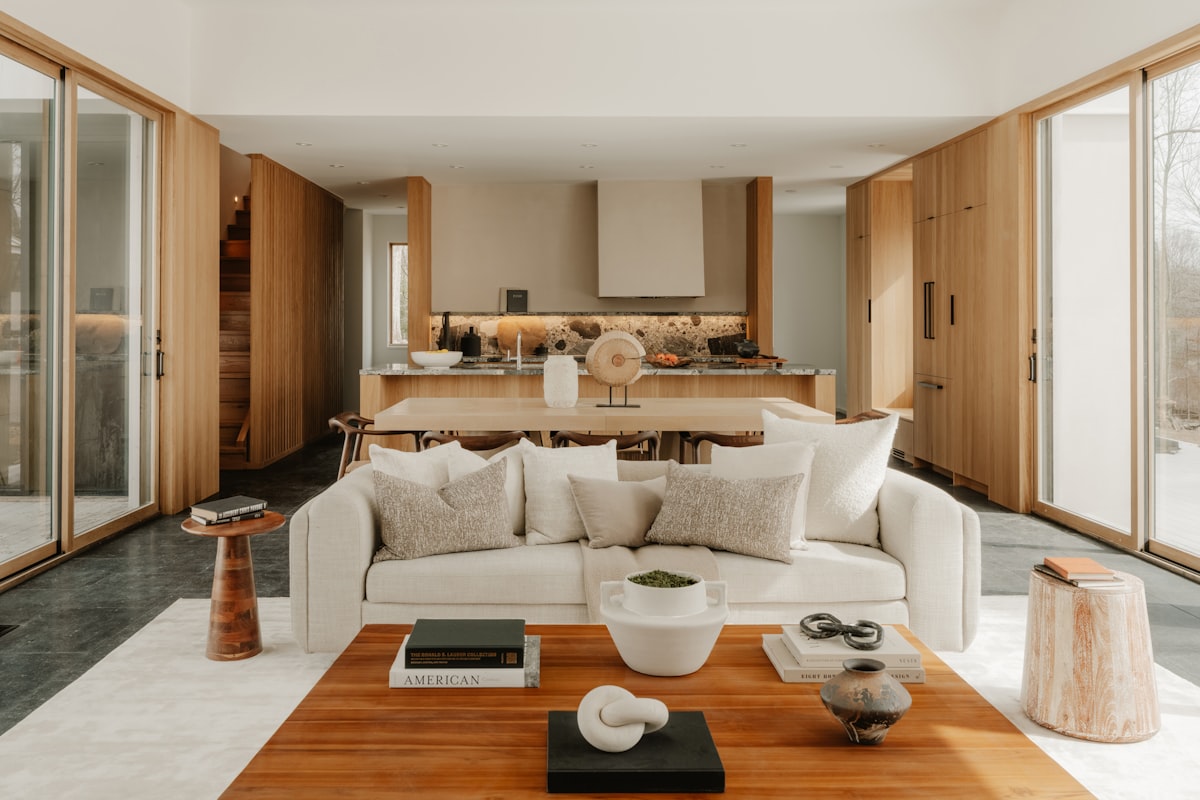
The Blueprint for Top Remodeling Success in Modern Homes
Homeownership is a journey of continuous evolution, where the spaces we inhabit must adapt to our changing lifestyles,...
Read more →
Transforming Spaces: The Essential Role of a Professional Remodeling Contractor
Home is more than just a physical shelter; it is a reflection of personal style, a sanctuary of...
Read more →
Transforming Living Spaces: Partnering with Professional Remodeling Contractors for Lasting Value
Homeowners often reach a point where their living space no longer matches their lifestyle or aesthetic preferences. Whether...
Read more →A successful transformation of a bayfront property turns the surrounding landscape into the focal point of every room. It involves a thoughtful reconfiguration of spaces, ensuring that whether one is cooking in the kitchen, relaxing in the living room, or waking up in the main bedroom, the bay remains a constant, soothing presence. This seamless integration of indoor comfort and outdoor beauty is the ultimate goal of any waterfront renewal.
Beyond the immediate lifestyle benefits, investing in these specialized updates significantly enhances the long-term market value of the property. Waterfront real estate remains highly coveted, and modern, well-executed updates ensure that a home stands out in a competitive market. By prioritizing structural integrity alongside modern design, homeowners secure both their financial investment and their personal sanctuary.
Achieving this balance involves looking at the home through a multi-dimensional lens. From structural engineering that permits expansive glass walls to interior design palettes that mirror the sandy shores and blue waters, every decision must be intentional. The following examination explores the essential elements that define successful bayview transformations.
Maximizing Visual Connections with the Waterfront
The primary objective of renovating a home with a bay view is to eliminate any barriers between the interior spaces and the natural scenery outside. Older homes often feature smaller windows and compartmentalized rooms that isolate inhabitants from the very environment they moved to enjoy.
Strategic Window Placement and Glazing
Replacing standard windows with expansive, floor-to-ceiling glass panels is often the most impactful change in a coastal renovation. Utilizing picture windows in main living areas frames the bay like a living piece of art. It is essential to select high-performance glazing, such as double or triple-paned glass with low-emissivity coatings, to control solar heat gain and protect interior furnishings from ultraviolet damage while maintaining crystal-clear views.
Open-Concept Layouts for Unobstructed Views
Removing non-load-bearing walls creates a continuous flow of light and sightlines throughout the home. An open-plan kitchen, dining, and living area ensures that the water remains visible from multiple angles. This layout design also facilitates natural ventilation, allowing cool bay breezes to circulate freely during the warmer months, reducing reliance on artificial cooling.
Material Selection for Coastal Environments
The beauty of a bayfront location comes with environmental challenges that can accelerate the wear and tear of standard building materials. Moisture, salt air, and intense sun exposure require the selection of highly durable, low-maintenance products.
Corrosion-Resistant Structural Elements
Standard metal fittings quickly succumb to rust in coastal zones. Renovations in these areas prioritize marine-grade stainless steel, powder-coated aluminum, and brass for exterior hardware, railings, and light fixtures. For structural framing and decking, composite materials or naturally resilient timbers like teak, ipe, or cedar offer longevity without the constant need for painting or sealing.
Interior Finishes That Reflect Natural Light
Inside the home, the color palette and material choices should complement, rather than compete with, the outdoor scenery. Soft neutrals, sandy beige, crisp whites, and muted blues create a serene atmosphere that echoes the coastal landscape. Hardwood flooring with matte finishes, engineered stone countertops, and textured natural fabrics like linen and cotton enhance the organic feel of the space while standing up to sandy feet and damp swimwear.
Outdoor Living Transitions
A true bayfront home should offer a seamless transition between indoor comfort and outdoor relaxation. Expanding the usable living space onto decks, patios, and balconies allows residents to fully immerse themselves in the coastal lifestyle.
Decks, Patios, and Verandas
Creating wide, flush transitions from the indoor living room to an outdoor deck eliminates tripping hazards and visually extends the room. Bi-fold or multi-slide glass doors that pocket into the walls can completely open the home to the elements on pleasant days. Incorporating glass balustrades on balconies ensures that safety barriers do not obstruct the view of the water when seated. Additionally, integrated outdoor kitchens, fire pits, and wind screens extend the usability of these spaces into the cooler autumn evenings.
Structural and Regulatory Considerations
Renovating near the water involves a complex web of local building codes, environmental regulations, and structural engineering requirements that differ significantly from inland projects.
Zoning and Environmental Compliance
Coastal construction is heavily regulated to protect fragile ecosystems and mitigate flood risks. Projects often require specialized permits, environmental impact assessments, and adherence to strict setback rules from the high-water mark. Ensuring compliance with local zoning laws early in the planning phase prevents costly delays and ensures the project respects the local environment.
Wind Load and Flood Engineering
Homes situated on the bay are vulnerable to extreme weather events. Structural renovations must account for high wind loads, requiring robust tie-down systems, impact-resistant glass, and reinforced framing. In low-lying areas, elevating certain living spaces or utilizing flood-resilient materials on the ground level is a crucial step in future-proofing the property against rising tides and storm surges.
Conclusion
Transforming a bayfront property is an artful endeavor that blends architectural ingenuity with environmental respect. By focusing on expansive views, selecting resilient materials, and creating fluid indoor-outdoor spaces, bayview renovations breathe new life into coastal homes. The result is a harmonious sanctuary that celebrates the timeless beauty of the water while offering a safe, luxurious retreat for years to come.