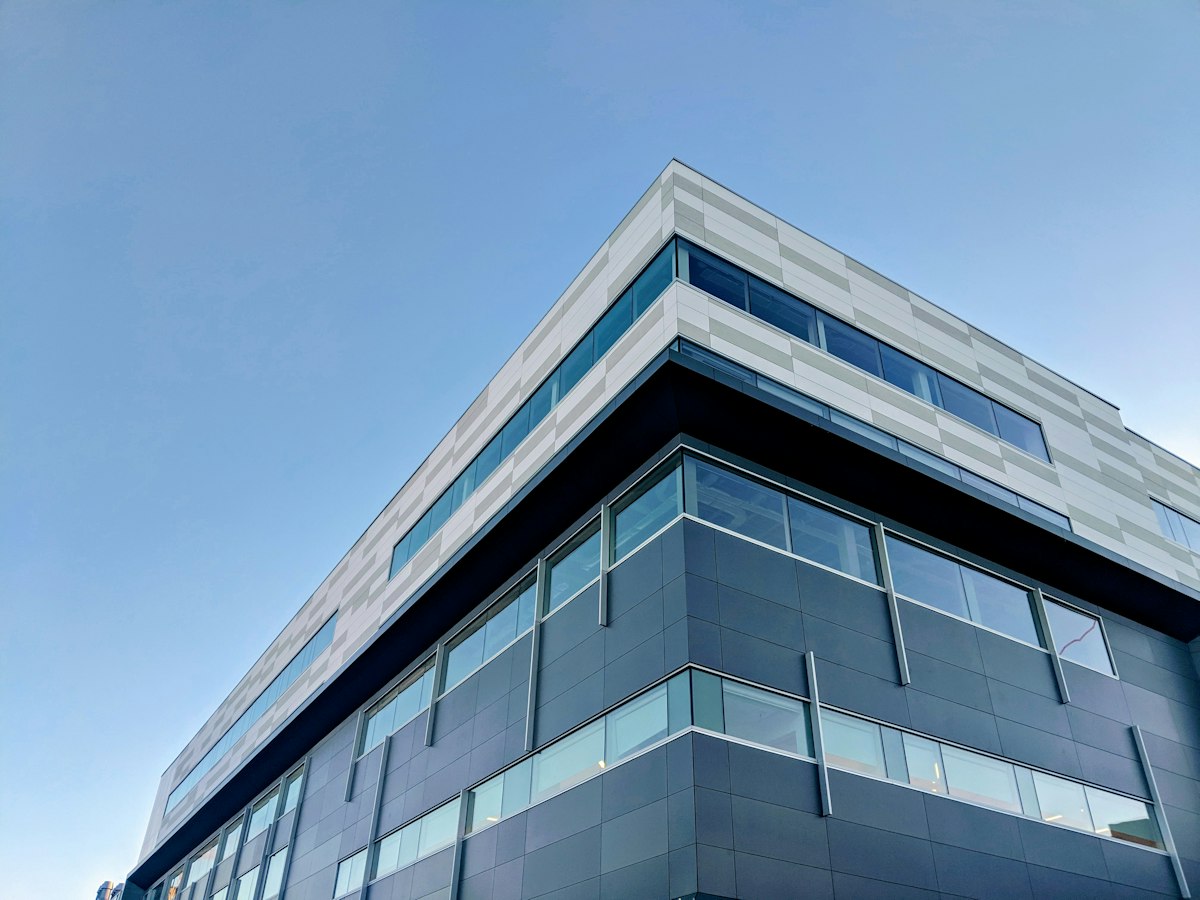
Buy Commercial Property
Entering the commercial real estate arena represents a transformative milestone for ambitious investors and growing enterprises alike. Unlike residential ventures, non-residential assets unlock scalable income streams, longer lease structures, and substantial equity appreciation over extended holding periods.
Market dynamics have shifted substantially across modern economies, opening up unique windows of opportunity for acquisitions. Urban centers and thriving suburban corridors present diverse opportunities, ranging from high-throughput logistics warehouses and medical complexes to vibrant retail storefronts and collaborative workspaces.
Related posts
Luxury Houses for Sale
The pursuit of extraordinary real estate represents an ambition to combine personal comfort with exceptional architectural achievement. High-end...
Read more →
Luxury Homes for Sale
The realm of high-end real estate represents far more than mere shelter; it reflects a convergence of architectural...
Read more →
New Property for Sale
The modern real estate landscape offers an intriguing range of opportunities, with freshly constructed residences standing at the...
Read more →
Buying A House
Deciding to acquire a residence represents one of the most significant financial and emotional milestones in an individual's...
Read more →Capital allocation into tangible physical assets offers an exceptional hedge against inflationary pressures. As enterprises seek functional, prime spaces to serve their operations, owners of well-positioned buildings enjoy steady cash distributions coupled with contractual rental escalations embedded into multi-year agreements.
Navigating this intricate asset class requires financial acumen, spatial awareness, and rigorous research. Achieving sustained success depends on dissecting demographic movements, evaluating structural integrity, and comprehending the legal frameworks that govern institutional tenancy agreements.
Whether the objective centers on portfolio diversification, tax optimization, or securing a permanent operational headquarters, purchasing the right property demands patience, analytical precision, and an unyielding commitment to long-term economic foresight.
Understanding the Core Commercial Asset Classes
Commercial real estate encompasses several distinct sub-sectors, each governed by unique economic drivers, risk profiles, and operational demands. Selecting the appropriate category establishes the foundation for any acquisition campaign.
Industrial and Logistics Facilities
Driven by e-commerce expansion and supply chain restructuring, industrial assets have emerged as consistent performance leaders. Warehouses, distribution hubs, and light manufacturing plants typically feature lower maintenance requirements, minimal interior turnover costs, and resilient tenants. Investors prioritize ceiling heights, dock configurations, and proximity to major transit arteries when evaluating these sites.
Office Spaces and Adaptive Work Environments
The office landscape continues to evolve alongside flexible working trends. Modern investors focus primarily on top-tier assets featuring advanced air filtration, energy-efficient operations, and dynamic communal spaces. Suburban medical office buildings also demonstrate remarkable resilience, benefiting from non-cyclical healthcare demand and exceptionally high tenant retention rates.
Retail Centers and Mixed-Use Developments
Retail properties thrive when anchored by essential service providers, including grocery chains, fitness hubs, and dining establishments. Mixed-use developments, combining ground-floor commerce with upper-level residential or commercial units, create integrated ecosystems that generate consistent foot traffic and mitigate revenue concentration risks.
Financial Structuring and Capitalization Strategies
Acquiring non-residential real estate requires substantial financial structuring compared to standard residential transactions. Securing favorable terms hinges on your understanding of institutional underwriting standards and fiscal metrics.
Evaluating Debt Financing and Mortgages
Lenders scrutinize both the borrower and the revenue-generating capacity of the asset. Typical financing structures require significant equity contributions, often ranging between twenty and thirty-five percent of total purchase costs. Commercial lenders evaluate the Debt Service Coverage Ratio, generally expecting a margin where net income exceeds annual debt obligations by at least 1.2 to 1.25 times.
Capitalization Rates and Valuation Metrics
Valuing an income-producing asset depends fundamentally on its capitalization rate, calculated by dividing net operating income by the asset purchase price. Lower cap rates reflect lower perceived risk and higher property values in primary markets, whereas higher cap rates suggest higher returns alongside elevated operational risks in secondary or tertiary regions.
Conducting Comprehensive Due Diligence
Risk mitigation in commercial acquisitions centers on thorough investigative work before closing the transaction. Overlooking latent operational or structural liabilities can permanently impair projected returns.
Physical Building Inspections and Environmental Audits
A comprehensive assessment must examine the primary mechanical components, building envelope, roofing membranes, and foundation. Concurrently, commissioning a Phase I Environmental Site Assessment remains essential. This review confirms that past operations on or adjacent to the parcel have not caused hazardous contamination, shielding buyers from massive remediation liabilities under environmental protection statutes.
Lease Audits and Tenant Creditworthiness
The revenue stream represents the genuine lifeblood of any commercial building. Investors must audit existing lease agreements, noting expiration timelines, renewal options, expense reimbursement mechanisms, and maintenance carve-outs. Scrutinizing the financial health and credit ratings of anchor occupants protects against sudden vacancies and default risks.
Zoning Regulations and Municipal Compliance
Local zoning laws dictate permissible uses, parking ratios, signage rights, and density expansion limits. Buyers must verify that current operations strictly conform to municipal codes and determine whether grandfathered designations could expire in the event of major renovations or rebuilding programs.
Value Creation and Long-Term Asset Management
Closing the purchase marks only the inception of the investment life cycle. Maximizing asset value requires proactive operational stewardship and continuous capital improvements.
Owners frequently implement deliberate strategies to elevate net operating income, such as renegotiating operational service contracts, installing energy-saving utility systems, or repurposing underutilized square footage. Cosmetic enhancements to exterior facades and common lobbies can reposition an asset into a higher rent tier, capturing premium tenants during lease renewal cycles.
Conclusion
Committing capital to buy commercial property stands as one of the most effective vehicles for sustained wealth creation and financial independence. By identifying the right asset class, assembling disciplined financing, executing exhaustive due diligence, and deploying active operational oversight, investors position themselves to capture substantial equity expansion and resilient income streams. Approaching every transaction with rigorous analysis ensures your investment portfolio remains robust across changing economic environments.