Commercial Land for Sale
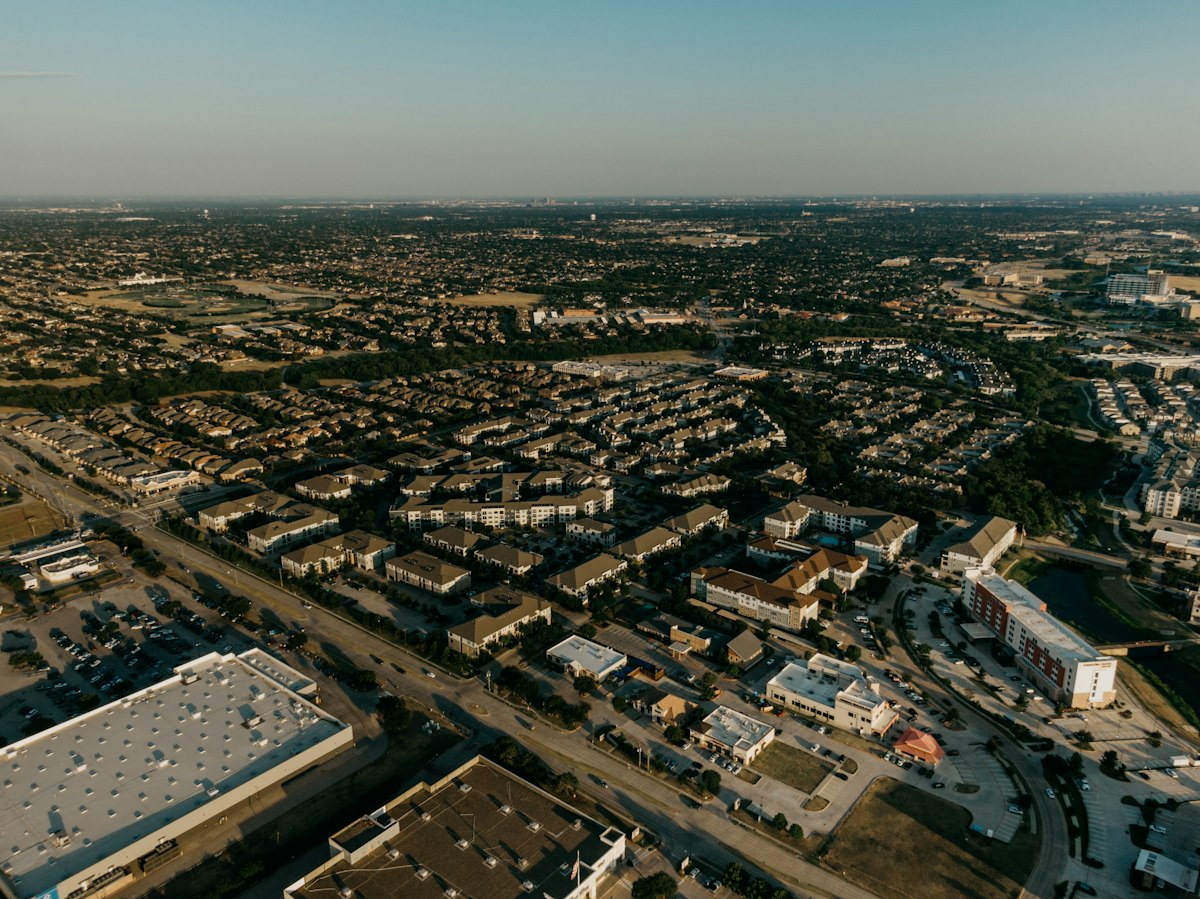
The world of real estate often feels dominated by towering skyscrapers and sprawling shopping malls, but the true foundation of every great architectural achievement is the ground beneath it. Commercial land for sale represents more than just a plot of dirt; it is a canvas for innovation and a vehicle for substantial wealth creation. For those with a vision, raw land offers a rare level of flexibility that existing buildings simply cannot match, allowing for a bespoke approach to development that meets the specific demands of the modern market.
Economic cycles come and go, but the demand for strategically located space remains a constant in the global marketplace. As urban centers expand and new suburban hubs emerge, the value of well-positioned commercial property tends to follow an upward trajectory. Investors who recognize these patterns early often find themselves holding the keys to the most lucrative developments in the region, benefiting from the natural appreciation that occurs as the surrounding area matures.
Related posts
Luxury Houses for Sale
The pursuit of extraordinary real estate represents an ambition to combine personal comfort with exceptional architectural achievement. High-end...
Read more →
Luxury Homes for Sale
The realm of high-end real estate represents far more than mere shelter; it reflects a convergence of architectural...
Read more →
New Property for Sale
The modern real estate landscape offers an intriguing range of opportunities, with freshly constructed residences standing at the...
Read more →
Buying A House
Deciding to acquire a residence represents one of the most significant financial and emotional milestones in an individual's...
Read more →Entering the arena of land acquisition requires a blend of patience and foresight. Unlike residential properties which might provide immediate rental income, commercial land is often a long-term play that rewards meticulous planning and market timing. It is about seeing what a location could become in five or ten years, rather than what it is today. This forward-thinking mindset is what separates successful developers from those who merely react to current trends.
Modern commerce is evolving rapidly, driven by shifts in consumer behavior and technological advancements. From the rise of e-commerce necessitating massive logistics centers to the demand for walkable mixed-use communities, the way we use land is undergoing a profound transformation. This evolution creates unique openings for those ready to secure their stake in the next generation of business infrastructure, ensuring that their investment remains relevant for decades to come.
Finding the right parcel involves understanding the intricate dance between local government regulations, environmental factors, and economic indicators. It is a sophisticated pursuit that requires a deep dive into the intrinsic value of the location and the potential for future utility. By focusing on these core elements, an investor can turn a simple acquisition into a cornerstone of their financial portfolio, paving the way for sustainable growth and community impact.
The Core Appeal of Commercial Land Acquisitions
One of the most compelling reasons to seek out commercial land for sale is the inherent scarcity of the asset. Unlike manufactured goods or even digital assets, the amount of land available in prime locations is finite. As populations grow and businesses expand, the competition for these limited parcels intensifies. This scarcity creates a natural floor for property values, providing a level of security that is highly attractive to conservative and aggressive investors alike.
Furthermore, owning raw land grants the owner ultimate control over the property's destiny. When purchasing an existing building, the buyer is often limited by the structure's footprint, age, and previous design choices. With land, the possibilities are limited only by zoning laws and imagination. This allows developers to build facilities that are specifically tailored to the needs of modern tenants, such as high-tech warehouses with automated systems or eco-friendly office complexes that prioritize sustainability and employee wellness.
Evaluating the Strategic Worth of a Location
In the realm of commercial real estate, the old adage of "location, location, location" remains the golden rule. However, evaluating a location for commercial land involves more than just checking its proximity to a city center. It requires a comprehensive analysis of the surrounding ecosystem, including transportation networks, labor pools, and consumer demographics. A piece of land might look affordable, but its value is ultimately tied to how easily people and goods can reach it.
Analyzing Demographic Shifts and Growth Corridors
Smart investors keep a close eye on where people are moving. Growth corridors—areas where residential development is booming—often signal a future need for commercial services. Retail centers, medical offices, and storage facilities naturally follow the path of population growth. By identifying these corridors before they reach full maturity, an investor can acquire commercial land at a lower cost and wait for the demand to catch up, resulting in significant equity gains.
The Importance of High-Visibility Frontage
For retail and service-based businesses, visibility is a primary driver of success. Commercial land with significant frontage on major highways or busy intersections commands a premium because it offers built-in marketing. The number of daily vehicle passes, known as traffic counts, is a critical metric used to determine the viability of a site for franchises, gas stations, and shopping plazas. Even in a digital age, physical presence and ease of access remain vital for many industries.
Navigating the Complexities of Zoning and Entitlements
The legal framework surrounding a piece of land is just as important as its physical location. Zoning laws dictate what can and cannot be built on a specific parcel. Before finalizing a purchase, it is essential to understand the current zoning designation and the likelihood of obtaining a rezoning or a variance if the intended use does not align with existing rules. This process, often referred to as land entitlement, can be lengthy and complex, but it is where significant value is often added to a property.
Understanding Permitted Uses and Variances
Zoning categories such as light industrial, general commercial, or mixed-use each come with their own set of restrictions. Some zones might allow for high-density residential units above retail shops, while others might strictly prohibit any residential use. Understanding these nuances is vital. If a developer can successfully navigate the process of changing a parcel's use to a more profitable category, the value of the commercial land can skyrocket overnight, even without a single shovel hitting the ground.
The Role of Infrastructure in Property Value
A parcel of land is only as useful as the infrastructure supporting it. The availability of utilities—water, sewer, electricity, and high-speed internet—is a major factor in the feasibility of a project. If a piece of commercial land for sale is "shovel-ready," it means these services are already at the property line, saving the developer significant time and capital. Conversely, land in rural or underdeveloped areas may require massive investment to bring in the necessary utilities, which must be factored into the initial purchase price.
Road access is another critical infrastructure component. Beyond just having a road nearby, the quality of that road and its ability to handle heavy truck traffic or high volumes of passenger cars is paramount. For industrial land, proximity to rail lines or deep-water ports can be the deciding factor for logistics companies looking to optimize their supply chains.
Environmental and Physical Site Feasibility
Before committing to a purchase, a thorough physical assessment of the land is mandatory. This includes looking at the topography, soil quality, and drainage patterns. Steep slopes or rocky terrain can dramatically increase construction costs, while poor soil stability may require expensive foundation work. Additionally, environmental assessments are necessary to ensure the land is not contaminated from previous uses, which could lead to significant legal and financial liabilities.
Conducting Thorough Site Assessments
Environmental studies, often categorized as Phase I and Phase II assessments, look for signs of hazardous materials or underground storage tanks. Furthermore, the presence of protected wetlands or endangered species on the property can limit development potential or require expensive mitigation efforts. Understanding these physical and environmental constraints early in the process allows an investor to make an informed decision and negotiate a fair price that reflects the true cost of development.
Financial Structures and Exit Strategies
Investing in commercial land requires a clear financial strategy. Because land typically does not generate cash flow while it is being held, investors must have the capital to cover property taxes, insurance, and maintenance. Many choose to leverage debt to acquire land, while others use private equity or joint ventures to spread the risk. The ultimate goal is usually one of two things: developing the land to create an income-producing asset or holding the land until its value increases enough to sell it to a developer at a profit.
Successful land investors always have an exit strategy in mind. This might involve selling to a specific end-user, such as a major retailer looking for a new location, or partnering with a builder to create a multi-tenant complex. By understanding the needs of the market and the potential buyers in the area, an investor can tailor their acquisition and entitlement strategy to maximize the final sale price.
Conclusion
Commercial land for sale remains one of the most versatile and potentially rewarding segments of the real estate market. While it requires a higher degree of due diligence and a longer time horizon than many other investments, the ability to shape the future of a community and capture the value of a growing economy is unparalleled. By focusing on strategic locations, understanding the legal landscape of zoning, and carefully assessing the physical attributes of a site, investors can turn raw earth into a legacy of prosperity. As the world continues to evolve, those who own the ground upon which progress is built will always find themselves in a position of strength.