
Unlocking Opportunity: The Strategic Pursuit of Commercial Property Acquisitions
In the dynamic world of business and investment, the acquisition of commercial property stands as a pivotal decision, shaping the trajectory of enterprises and the wealth portfolios of astute investors. Far more than just bricks and mortar, these properties represent strategic assets, offering avenues for operational expansion, revenue generation, and long-term capital appreciation.
Whether you're an entrepreneur seeking the perfect location to launch or grow your venture, or a seasoned investor looking to diversify holdings, the realm of commercial real estate presents a compelling landscape of possibilities. From bustling retail storefronts to expansive industrial complexes, each property type carries its own unique set of advantages and considerations.
Related posts
Luxury Houses for Sale
The pursuit of extraordinary real estate represents an ambition to combine personal comfort with exceptional architectural achievement. High-end...
Read more →
Luxury Homes for Sale
The realm of high-end real estate represents far more than mere shelter; it reflects a convergence of architectural...
Read more →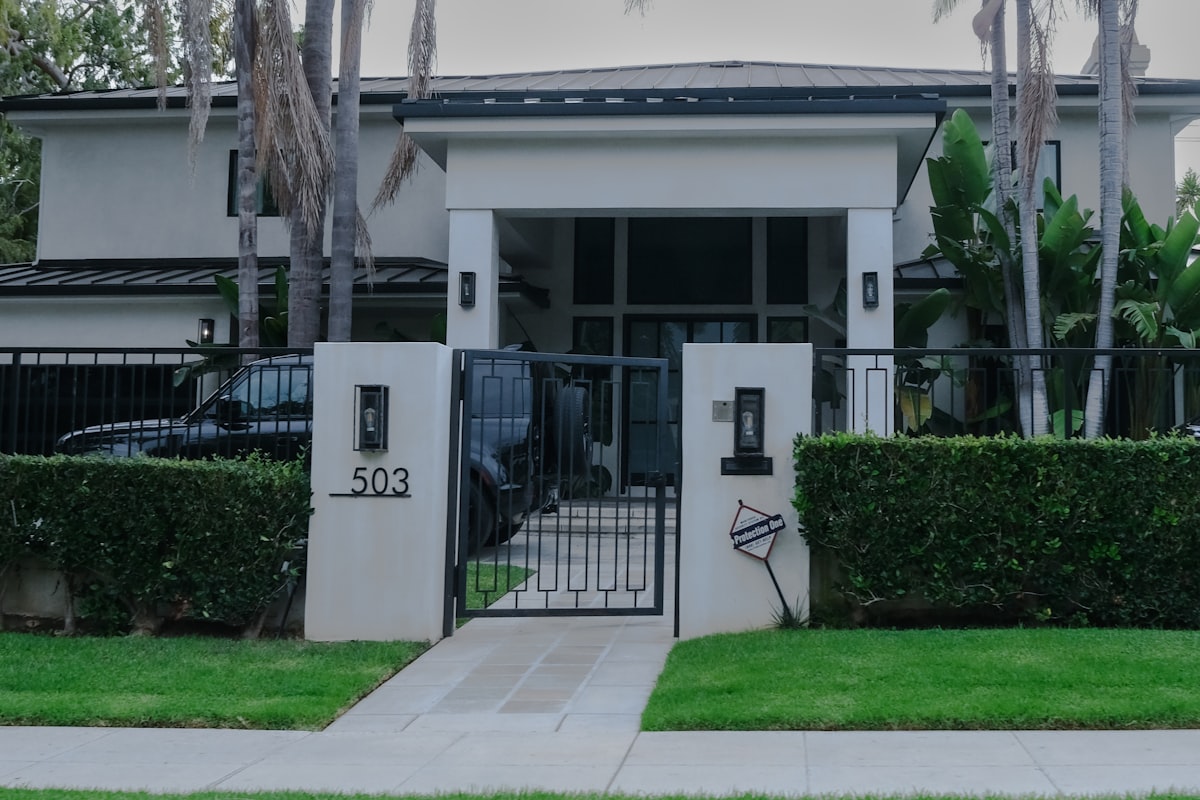
New Property for Sale
The modern real estate landscape offers an intriguing range of opportunities, with freshly constructed residences standing at the...
Read more →
Buying A House
Deciding to acquire a residence represents one of the most significant financial and emotional milestones in an individual's...
Read more →Understanding the nuances of the commercial property market is paramount. It involves a deep dive into local economies, market trends, zoning regulations, and the specific needs of various industries. This intricate environment demands careful analysis and a forward-thinking perspective to identify true value and mitigate potential risks.
The journey to securing the right commercial property for sale is a multifaceted one, requiring diligence, expertise, and a clear vision. It’s about recognizing not just what a property is today, but what it has the potential to become tomorrow, aligning it with strategic business objectives or investment goals.
This exploration delves into the core aspects of engaging with the commercial property market, providing insights into its diverse segments, the critical factors influencing acquisition decisions, and the structured process involved in securing these valuable assets.
The Diverse Landscape of Commercial Properties
Commercial property encompasses a vast array of real estate designed for business operations rather than residential living. From bustling retail spaces to expansive industrial complexes, each category serves distinct economic functions and presents unique investment profiles when considering commercial property for sale.
Retail Spaces and Their Market Dynamics
Retail properties are the public face of commerce, ranging from standalone storefronts and strip malls to large shopping centers. Their value is intrinsically linked to location, foot traffic, visibility, and the demographic profile of the surrounding area. A successful retail acquisition prioritizes accessibility and consumer reach, often reflecting the vibrancy of local economies.
Office Buildings: Hubs of Commerce
Office properties form the backbone of service industries, varying from high-rise towers in central business districts to suburban office parks and flexible co-working spaces. Key considerations for these properties include technological infrastructure, access to public transportation, amenities for employees, and the prestige of the address. The demand for office space is continually evolving with shifts in work culture and technology.
Industrial and Warehouse Facilities
Essential for manufacturing, logistics, and storage, industrial properties include factories, distribution centers, and self-storage units. Their appeal often lies in proximity to major transportation routes, ample loading docks, high ceilings, and specialized equipment. These properties are critical enablers of supply chains and e-commerce, making them a robust category for those seeking commercial property for sale.
Specialized Commercial Assets
Beyond the primary categories, the market also features specialized commercial properties such as hotels, medical facilities, educational institutions, and mixed-use developments. Each of these assets possesses unique operational requirements, regulatory frameworks, and market drivers, demanding a deeper understanding of their specific industry dynamics.
Strategic Considerations for Acquisition
Securing commercial property for sale demands a meticulous approach, moving beyond mere aesthetics to scrutinize financial viability, market positioning, and long-term potential. A strategic acquisition hinges on thorough preparation and informed decision-making.
Market Analysis and Valuation
A comprehensive market analysis is foundational. This involves examining local economic indicators, vacancy rates, rental yields, and recent comparable sales. Engaging professional appraisers and real estate analysts provides objective valuations and insights into market trends, helping to establish a fair purchase price and project future returns.
Location: The Paramount Factor
For commercial properties, location is arguably the most critical determinant of success. It dictates access to target demographics, infrastructure, labor pools, and complementary businesses. Understanding local zoning regulations, future development plans, and traffic patterns is essential for assessing a location's long-term viability and growth potential.
Financial Due Diligence
Before committing to any commercial property for sale, exhaustive financial due diligence is imperative. This includes scrutinizing income statements, operating expenses, existing lease agreements, property taxes, and potential liabilities. Accurate cash flow projections and a clear understanding of the property's return on investment (ROI) are vital for sound financial planning.
Legal and Regulatory Frameworks
Navigating the legal and regulatory landscape is a complex but necessary step. This involves understanding local zoning laws, environmental regulations, building codes, and the specifics of any existing lease structures. Engaging experienced legal counsel specializing in commercial real estate is crucial to ensure compliance and protect your interests.
Financing Your Commercial Property Venture
Acquiring commercial property for sale often involves substantial capital, making robust financing strategies crucial for success. A range of options exists, each with its own advantages and requirements.
Traditional Commercial Mortgages
Conventional commercial mortgages from banks and credit unions are a common financing route. These typically involve higher down payments and shorter amortization periods compared to residential loans. Terms, interest rates, and approval criteria vary widely based on the lender, the property type, and the borrower's financial standing.
SBA Loans and Government Programs
For small businesses, government-backed programs, such as those offered by the Small Business Administration (SBA), can provide attractive financing for commercial property acquisition. These loans often feature lower down payments and longer repayment terms, making them accessible options for qualifying enterprises.
Alternative Financing Avenues
Beyond traditional lenders, alternative financing sources include private lenders, real estate crowdfunding platforms, and seller financing. These options can offer greater flexibility, though they may come with different interest rates or terms. Exploring a diverse range of financing solutions ensures you find the best fit for your specific needs.
Navigating the Acquisition Process
The journey to acquiring commercial property for sale is a structured sequence of steps, each requiring careful attention and expert involvement to ensure a smooth and successful transaction.
Identifying Opportunities and Initial Research
The process begins with identifying suitable properties. This often involves working with commercial real estate brokers, leveraging online listings, and conducting market intelligence. Preliminary screening helps narrow down options that align with your strategic and financial criteria.
Making an Offer and Negotiation
Once a suitable property is identified, the next step is to craft a compelling offer. This document outlines the proposed purchase price, terms, and contingencies. Effective negotiation, often facilitated by an experienced broker, is critical to securing favorable terms and addressing any initial concerns.
Due Diligence Period
Following an accepted offer, a comprehensive due diligence period commences. This intensive phase involves in-depth property inspections, environmental assessments, title searches, and a thorough review of all legal documents, including leases and permits. The goal is to uncover any potential issues or liabilities before finalizing the purchase.
Closing the Transaction
The culmination of the acquisition process is the closing. This involves finalizing all paperwork, transferring funds, and recording the deed of ownership. A title company or attorney typically oversees this stage, ensuring all legal requirements are met and the transfer of ownership is legally sound.
Future Trends in Commercial Property
The commercial property market is continuously evolving, shaped by technological advancements, demographic shifts, and changing business practices. Staying abreast of these trends is crucial for making informed acquisition decisions.
Impact of Technology and E-commerce
The rise of e-commerce continues to fuel demand for logistics and warehouse facilities, while simultaneously transforming the retail landscape. Smart building technologies, offering enhanced energy efficiency and operational management, are also becoming increasingly influential in property valuation.
Sustainability and Green Buildings
There's a growing emphasis on sustainability, with green building certifications and energy-efficient designs gaining prominence. Properties that incorporate environmentally friendly features often attract higher valuations and lower operational costs, appealing to both tenants and investors.
Flexibility and Adaptability
The demand for flexible office spaces, mixed-use developments, and properties designed for multi-purpose use is on the rise. Businesses seek spaces that can adapt to changing needs, fostering a trend towards more versatile and resilient commercial assets.
Conclusion
Engaging with the commercial property for sale market presents significant opportunities for growth, investment, and strategic business positioning. It is a field characterized by its diversity, complexity, and potential for substantial returns. A successful acquisition demands a disciplined approach, encompassing thorough market analysis, meticulous financial and legal due diligence, and a clear understanding of the acquisition process. By leveraging expert guidance and staying informed about market trends, businesses and investors can confidently navigate this intricate landscape, securing assets that contribute significantly to their long-term success and prosperity.