
Unlocking Opportunities: Exploring Real Estate for Sale
The prospect of acquiring real estate, whether it's a first home, an investment property, or a new commercial space, represents a significant milestone in many lives. It's a journey filled with potential, offering not just a physical structure but also a foundation for future aspirations, financial growth, and personal stability. The market for real estate for sale is dynamic, constantly evolving with economic shifts, demographic changes, and technological advancements, making it a fascinating area of exploration for anyone considering a purchase.
For many, the search for real estate for sale begins with a dream – a vision of a perfect living space, a thriving business location, or a lucrative asset. This dream translates into a tangible pursuit, requiring careful consideration of numerous factors, from location and property type to financial feasibility and long-term value. Understanding the intricacies of this market is paramount to making informed choices that align with individual or business objectives.
Related posts
Luxury Houses for Sale
The pursuit of extraordinary real estate represents an ambition to combine personal comfort with exceptional architectural achievement. High-end...
Read more →
Luxury Homes for Sale
The realm of high-end real estate represents far more than mere shelter; it reflects a convergence of architectural...
Read more →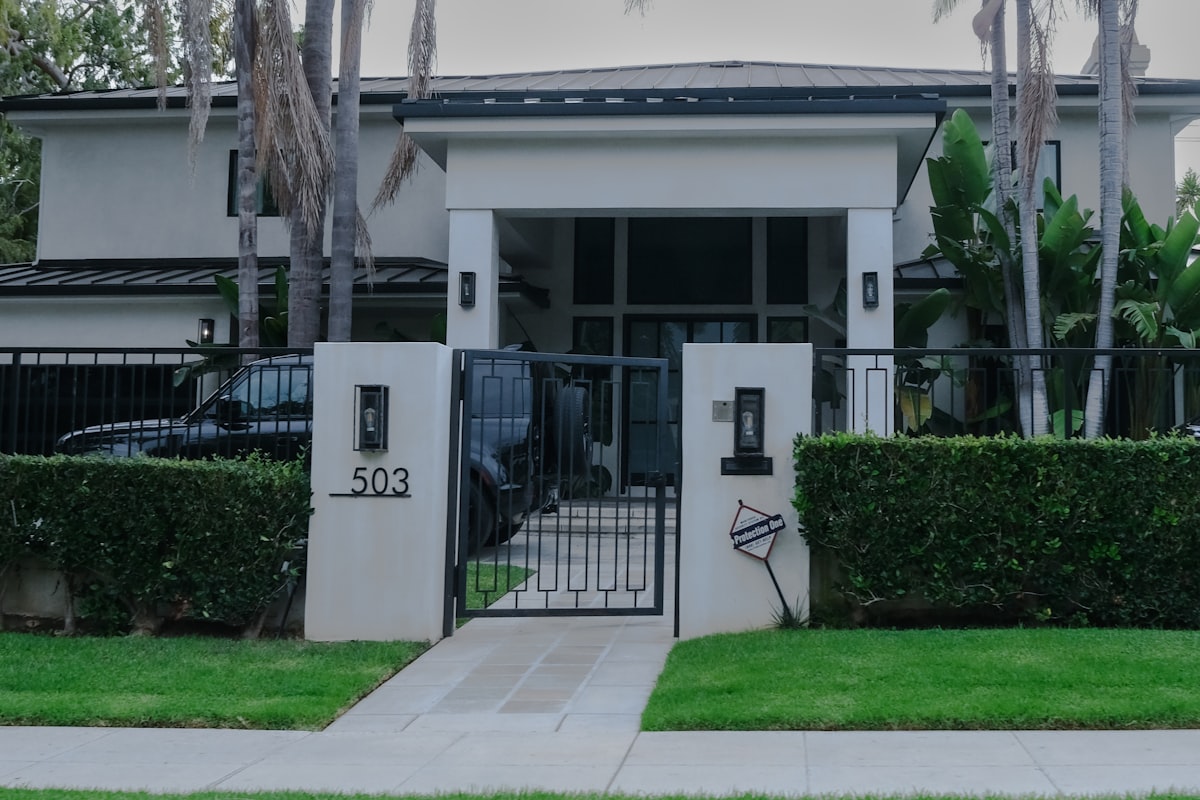
New Property for Sale
The modern real estate landscape offers an intriguing range of opportunities, with freshly constructed residences standing at the...
Read more →
Buying A House
Deciding to acquire a residence represents one of the most significant financial and emotional milestones in an individual's...
Read more →Navigating the vast array of properties available can initially seem daunting. From bustling urban apartments to serene suburban houses, expansive rural plots, and specialized commercial buildings, the options are diverse. Each category presents unique advantages and challenges, appealing to different needs and investment strategies. The key lies in defining one's priorities and conducting thorough research to pinpoint the most suitable opportunities.
Beyond the emotional appeal of owning property, real estate for sale also represents a substantial financial commitment and a potentially powerful investment vehicle. Property values can appreciate over time, offering equity growth and a hedge against inflation. For some, it provides a source of rental income, while for others, it's the bedrock of a successful business operation. Recognizing these multifaceted aspects is crucial for anyone venturing into the property market.
This exploration delves into the various facets of real estate for sale, providing context for individuals and entities contemplating a purchase. It sheds light on market dynamics, property types, financial considerations, and the acquisition process, aiming to provide a comprehensive overview for those ready to embark on this exciting endeavor.
Understanding the Current Market Landscape
The real estate market is rarely static; it's a living entity influenced by a multitude of forces. Current interest rates, economic growth, employment figures, and population shifts all play significant roles in shaping demand and supply. A seller's market, characterized by low inventory and high demand, can lead to competitive bidding and escalating prices, while a buyer's market often presents more negotiation leverage and a wider selection of properties.
Factors Influencing Property Values
Several fundamental factors dictate the value of real estate for sale. Location is consistently paramount, with proximity to amenities, good schools, transportation, and employment centers often commanding higher prices. The condition and age of a property, its architectural style, and any recent renovations also contribute significantly to its market appeal. Furthermore, local zoning regulations, future development plans, and even environmental factors can impact a property's long-term value.
Regional Variations and Their Impact
What holds true for one region may not apply to another. Metropolitan areas typically experience different market dynamics compared to rural or suburban locales. Economic drivers specific to a region, such as the presence of major industries or tech hubs, can create localized booms. Conversely, areas experiencing economic downturns or population decline might see a softening of property values. Understanding these regional nuances is essential for any prospective buyer.
The Spectrum of Available Properties
The term 'real estate for sale' encompasses an incredibly broad range of properties, each serving distinct purposes and appealing to different buyer profiles. Identifying the specific type of property that aligns with one's goals is a foundational step in the acquisition process.
Residential Dwellings: Homes and Condos
The most commonly sought-after real estate for sale includes single-family homes, townhouses, and condominiums. Single-family homes offer privacy and often larger plots of land, while townhouses provide a balance of independence and shared community features. Condominiums typically involve shared amenities and maintenance, appealing to those desiring a lower-maintenance lifestyle. Each offers a unique blend of lifestyle and financial commitment.
Commercial Ventures: Business Spaces
For entrepreneurs and investors, commercial real estate for sale includes office buildings, retail spaces, industrial warehouses, and multi-family apartment complexes. These properties are acquired with the primary goal of generating income or providing a functional space for business operations. Evaluating commercial properties involves assessing potential rental yield, business traffic, zoning compliance, and the property's suitability for a specific commercial purpose.
Land Parcels: Development Potential
Undeveloped land parcels represent another significant category of real estate for sale. These can range from small residential lots to vast tracts of agricultural or industrial land. Buyers of land are often looking for long-term investment, agricultural use, or the opportunity to develop a custom structure. The value of land is heavily influenced by its location, zoning, access to utilities, and potential for future development.
Financial Considerations and Preparation
Acquiring real estate is a substantial financial undertaking. Thorough preparation and a clear understanding of all associated costs are vital for a smooth and successful transaction.
Securing Funding: Mortgages and Loans
For most buyers, securing a mortgage or a commercial loan is a critical step. This involves evaluating different loan products, understanding interest rates, down payment requirements, and repayment terms. Working with reputable financial institutions and mortgage brokers can help identify the most suitable financing options based on one's financial situation and the property being acquired.
Budgeting Beyond the Purchase Price
The total cost of acquiring real estate extends far beyond the agreed-upon purchase price. Buyers must account for closing costs, which can include legal fees, appraisal fees, inspection costs, title insurance, and various taxes. Post-purchase expenses, such as property taxes, insurance premiums, maintenance, and potential renovation costs, also need to be factored into a comprehensive budget to ensure long-term financial comfort.
The Acquisition Process
The journey to acquiring real estate for sale involves several distinct stages, each requiring careful attention and often the assistance of experienced professionals.
Identifying Desired Characteristics
Before beginning the active search, it's essential to clearly define what is being sought. This includes desired location, property type, size, number of rooms, specific features, and budget range. A well-defined set of criteria helps streamline the search and ensures that time is spent exploring relevant properties.
Working with Professionals
Engaging a qualified real estate agent or broker is highly recommended. These professionals possess deep market knowledge, access to listings, and expertise in negotiation. Lawyers specializing in real estate can provide crucial legal counsel, ensuring all contracts and documents are in order and protecting the buyer's interests throughout the transaction.
Making an Offer and Negotiation
Once a suitable property is identified, the next step is to submit an offer. This offer typically includes the proposed purchase price, any contingencies (such as a satisfactory home inspection or financing approval), and a proposed closing date. Negotiation is often part of this stage, with buyers and sellers working to reach mutually agreeable terms.
Due Diligence and Closing
Following an accepted offer, a period of due diligence commences. This involves conducting thorough property inspections, reviewing all relevant documents, and ensuring that all contingencies are met. Once due diligence is complete and financing is secured, the transaction moves to closing, where all final paperwork is signed, funds are transferred, and ownership is legally transferred to the buyer.
Long-Term Value and Investment Perspective
Acquiring real estate for sale is not merely a transaction; it's often a strategic move with significant long-term implications, both financial and personal.
Appreciation and Equity Building
Historically, real estate has demonstrated a tendency to appreciate in value over the long term, though market fluctuations are always a possibility. As property value increases and mortgage principal is paid down, buyers build equity – a valuable asset that can be leveraged for future investments or financial needs.
Rental Income Potential
For those acquiring investment properties, the potential for rental income is a primary driver. A well-chosen property in a desirable location can provide a steady stream of passive income, offsetting mortgage payments and generating profit. This requires careful consideration of local rental markets, property management, and tenant relations.
Personal Satisfaction and Stability
Beyond financial gains, owning real estate offers profound personal satisfaction and a sense of stability. It provides a permanent place to live, work, or create, fostering a connection to a community and offering the freedom to customize and improve the space according to individual preferences. This sense of rootedness and control is a significant, often immeasurable, benefit of property ownership.
Conclusion
The journey of exploring real estate for sale is a multifaceted one, encompassing financial planning, market understanding, and careful decision-making. Whether seeking a personal residence, a commercial enterprise, or an investment opportunity, the acquisition of property represents a profound step towards achieving long-term goals. By approaching this process with diligence, informed awareness, and the right professional support, individuals and businesses can confidently navigate the market and secure properties that not only meet their immediate needs but also contribute significantly to their future prosperity and stability.