
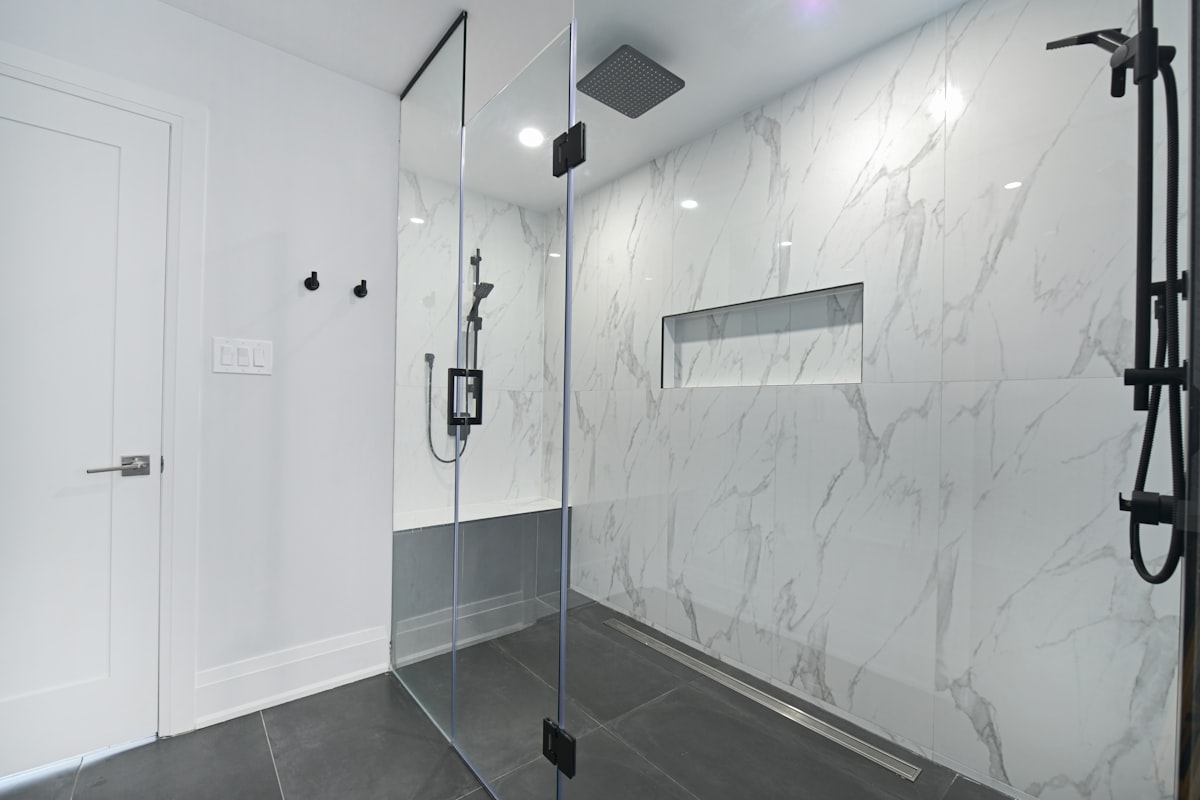
Revitalizing the Home with Modern Retiling Bathroom Shower Projects
A bathroom serves as a private sanctuary, a place where the day begins with a refreshing rinse and ends with a soothing soak. Over time, however, the once-pristine surfaces of a shower can begin to show their age. Water stains, stubborn mildew in the grout lines, or simply a style that feels stuck in a previous decade can diminish the comfort of this essential space. When these signs of wear become impossible to ignore, the thought of a significant update starts to take root.
The decision to embark on a project involving retiling bathroom shower walls and floors is often driven by both aesthetic desires and practical needs. Beyond just looking better, new tiling ensures that the water-sensitive areas of a home remain sealed and protected against moisture damage. It is a proactive step that prevents structural issues while simultaneously elevating the daily experience of every household member. The visual impact of fresh ceramic or stone can completely redefine the atmosphere of the room.
For many homeowners, the bathroom is one of the most scrutinized rooms during a property evaluation. A modern, clean, and well-executed shower area can significantly boost the overall appeal of a residence. Whether the goal is to enjoy the space for years to come or to prepare for a future sale, investing in high-quality materials and craftsmanship pays dividends in both lifestyle quality and financial return. It is often considered a cornerstone of a successful home bathroom remodel.
Entering the world of tile selection and installation requires a blend of creativity and technical awareness. From the sleek lines of subway tiles to the natural textures of stone mosaics, the possibilities for customization are nearly endless. Each choice reflects a personal style, turning a functional utility into a centerpiece of interior design. It is an opportunity to redefine the aesthetic of the room entirely, moving away from the mundane toward something truly inspired.
Starting this journey involves more than just picking out a box of tiles at the local hardware store. It requires a thoughtful approach to preparation, an understanding of modern waterproofing techniques, and a clear vision of the final result. By focusing on the details of the process, homeowners can achieve a professional-grade finish that stands the test of time and moisture. This exploration covers the essential elements needed to transform an outdated stall into a modern masterpiece.
Assessing the Current State of Your Shower
Before any new materials are purchased, a thorough inspection of the existing structure is vital. This stage involves looking beyond the surface to identify any underlying issues that could compromise the new installation. Cracked tiles or crumbling grout are often symptoms of deeper problems, such as water infiltration or a shifting subfloor. Addressing these concerns early ensures that the new tile work sits on a stable and dry foundation.
During this assessment, it is important to check the integrity of the wall studs and the subfloor around the drain. If there is evidence of wood rot or persistent dampness, these areas must be repaired before proceeding. This initial phase is the perfect time to decide if the project will remain a simple surface update or evolve into a more comprehensive tub and shower remodel. A solid foundation is the secret to a long-lasting and beautiful finish.
Selecting Premium Materials for Durability
The choice of tile material plays a significant role in both the look and the longevity of the shower. Porcelain is a popular choice due to its extreme density and resistance to water absorption. It is available in a vast array of colors and textures, some even mimicking the appearance of natural wood or expensive marble. Ceramic tiles are another excellent option, offering a slightly more budget-friendly alternative while still providing great durability and ease of maintenance.
Exploring Natural Stone and Glass
For those seeking a more luxurious feel, natural stone like travertine, slate, or marble can create a spa-like environment. However, stone requires more maintenance, including regular sealing to prevent staining and water penetration. Glass tiles, on the other hand, offer a luminous quality that can make a small shower feel much larger by reflecting light. Combining different materials, such as a porcelain main wall with a glass mosaic accent strip, is a hallmark of the best bathroom remodel designs.
The Critical Importance of Waterproofing
Perhaps the most vital aspect of retiling bathroom shower areas is the hidden layer beneath the tile. Modern waterproofing systems have come a long way from the simple plastic sheets used in decades past. Today, liquid-applied membranes and waterproof fabric sheets provide a seamless barrier that prevents water from ever reaching the structural components of the house. This step is non-negotiable for anyone who wants to avoid costly repairs down the road.
When planning a tub and shower remodel, ensuring that the transition between the tub rim and the wall tiles is perfectly sealed is essential. Using high-quality backer boards, such as cement board or foam-core waterproof panels, provides a flat and stable surface for the tile adhesive to bond with. A properly waterproofed shower acts as a fortress against mold and structural decay, giving the homeowner peace of mind.
Planning the Layout and Design
A successful tiling project relies heavily on a well-thought-out layout. Centering the tiles on the main wall and ensuring that the cut pieces at the corners are of equal size creates a balanced and professional appearance. This involves measuring the walls accurately and performing a "dry fit" by laying out tiles on the floor to visualize the pattern. This preparation helps avoid awkward small slivers of tile in highly visible areas.
Choosing Patterns and Grout Colors
The pattern in which the tiles are laid can drastically change the perception of the space. A classic running bond or brick pattern offers a timeless look, while a vertical stack can make a low ceiling feel higher. Grout color is another design element that is often overlooked. A contrasting grout can highlight the geometric pattern of the tiles, while a matching grout creates a seamless, monolithic look. These small decisions are what make people say, "I want to remodel my bathroom to look just like that."
The Installation Process and Execution
Once the preparation is complete and the layout is marked, the actual installation begins. Applying the thin-set mortar with the correct notched trowel ensures proper coverage and adhesion. It is important to work in small sections to prevent the mortar from skinning over before the tile is applied. Using tile spacers is the best way to maintain consistent grout lines, which is essential for a polished final product.
Cutting tiles for corners, plumbing fixtures, and drains requires precision tools. A wet saw is often the preferred choice for clean, chip-free cuts in porcelain and natural stone. For circular cuts around shower heads or valves, diamond-tipped hole saws are indispensable. Taking the time to measure twice and cut once reduces waste and ensures that every piece fits perfectly into the puzzle.
Professional Results and Final Touches
After the tile has set for the recommended time, the spacers are removed and the grout is applied. Grouting requires a rubber float to push the material deep into the joints, followed by a careful cleanup with a damp sponge. The final step is the application of a high-quality silicone caulk in the corners and along the base where the walls meet the floor or tub. This allows for slight movement without cracking the grout.
While many enthusiasts enjoy the challenge of a DIY project, some find that the complexity of a shower renovation is best handled by experts. Engaging a professional renovation service can ensure that every technical detail, from the slope of the floor to the precision of the miters, is executed flawlessly. This is often the preferred route for those looking for the best bathroom remodel experience without the stress of managing the labor themselves.
Conclusion
Retiling bathroom shower surfaces is a transformative endeavor that blends art with engineering. It is an investment that refreshes the home, protects the property from water damage, and provides a daily sense of luxury. Whether choosing to remodel my bathroom independently or seeking the expertise of a professional team, the focus should always remain on quality materials and meticulous preparation. By following a structured approach and paying attention to the nuances of design and waterproofing, anyone can achieve a stunning result that brings lasting value and beauty to the home bathroom remodel.