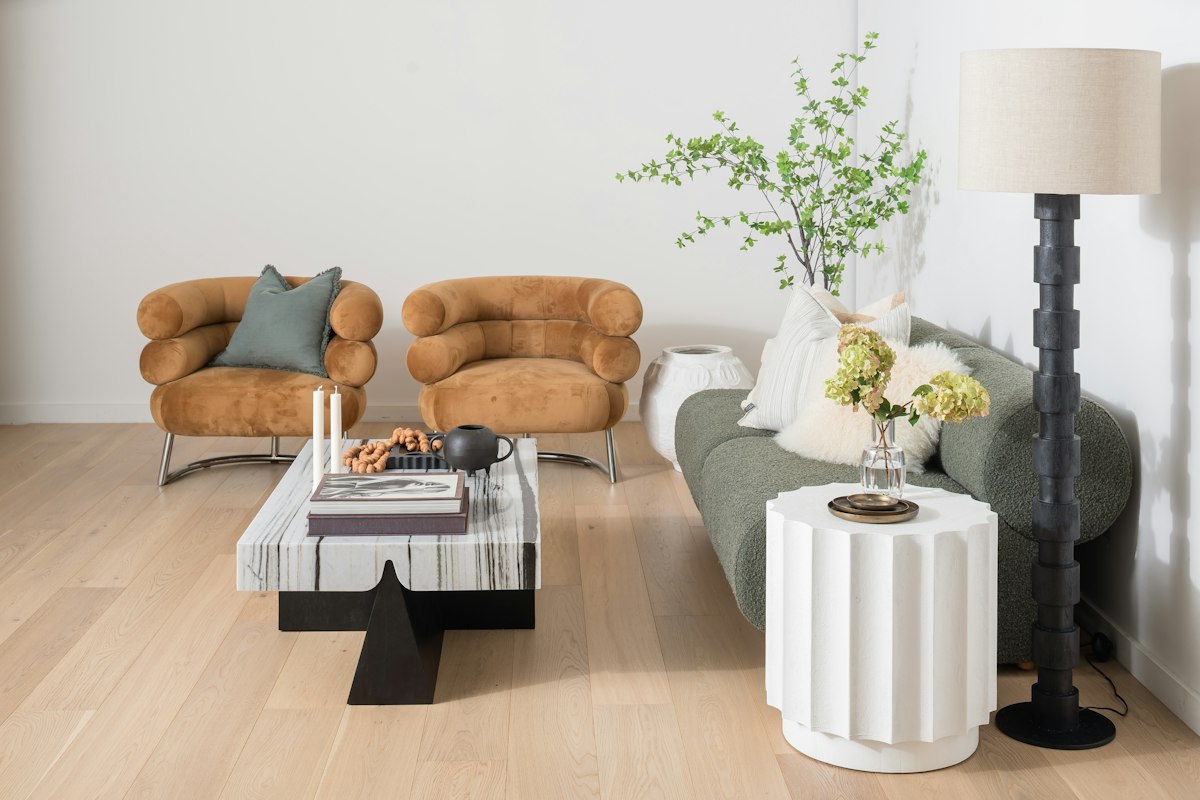
Transforming Your Space Without Breaking the Bank: The Reality of Affordable Interior Design
Staring at a blank room or an outdated living space often leads to the same frustrating conclusion: the assumption that a beautiful home requires a massive inheritance. You scroll through social media feeds filled with marble countertops and custom-built cabinetry, feeling as though professional aesthetics are reserved for the elite. However, the gap between a cluttered, uninspired room and a magazine-worthy sanctuary isn't always filled with cash. Often, it is filled with better strategy and a few industry secrets.
Affordable interior design is not about settling for low-quality furniture that falls apart in six months. Instead, it is a disciplined approach to aesthetics that prioritizes high-impact changes over expensive structural overhauls. It involves understanding where to invest your hard-earned money and where you can get away with budget-friendly alternatives. By shifting your focus from 'buying things' to 'composing a space,' you can achieve a sophisticated look that reflects your personality without draining your savings.
Related posts
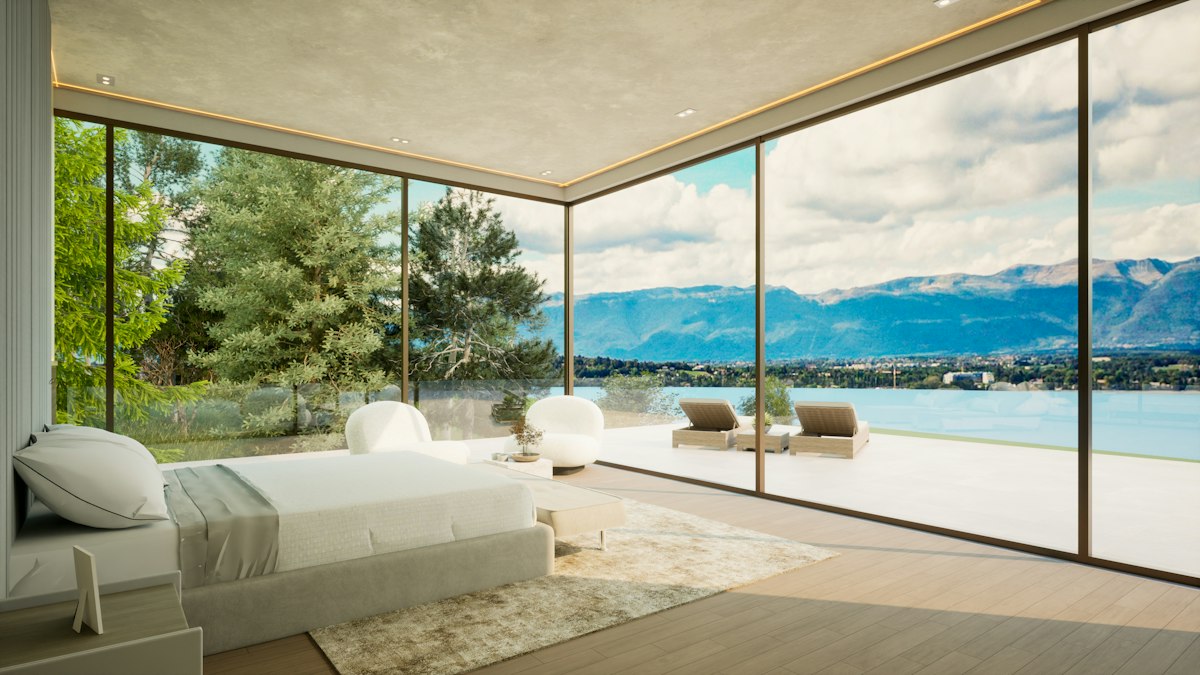
Luxury House Interior Design
True luxury house interior design transcends the simple accumulation of expensive items. It is an intentional practice that...
Read more →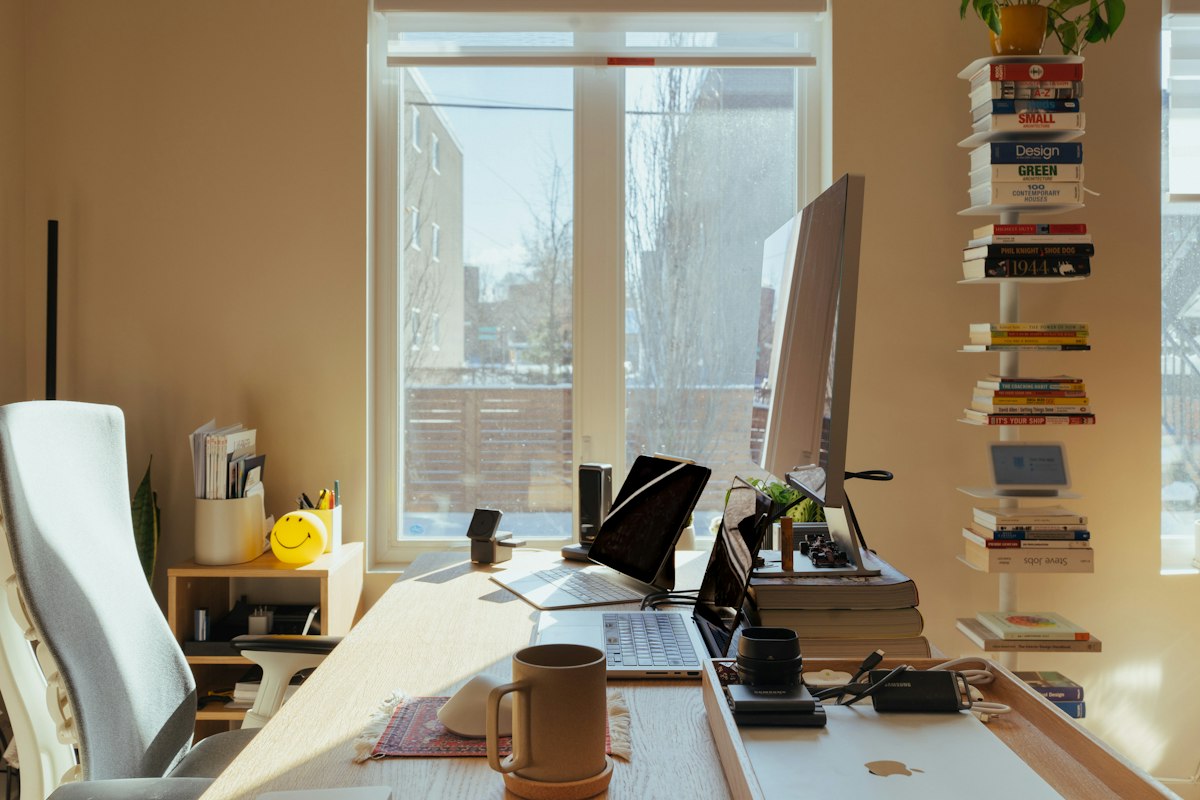
Home Office Interior Design: Professional Strategies for Productive Workspaces
The transition from a corporate cubicle to a residential workspace involves more than just finding a flat surface...
Read more →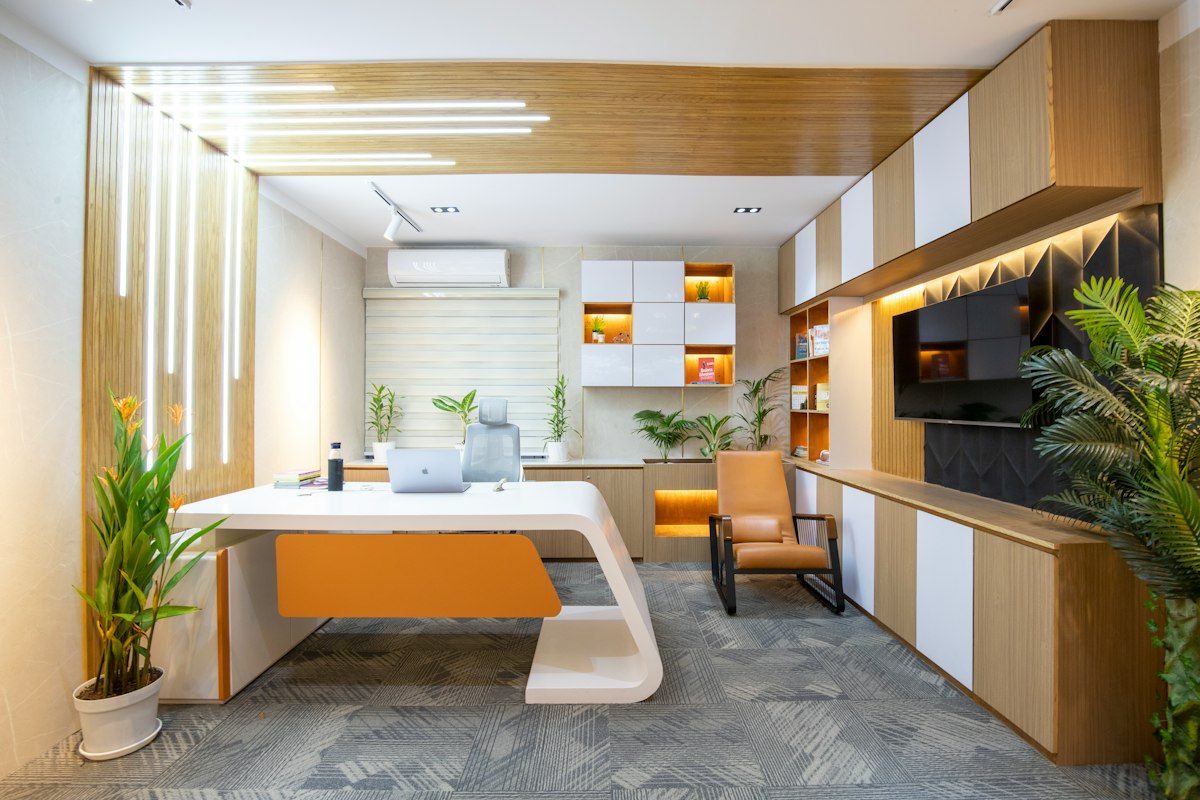
Low Budget Small Office Interior Design: Professional Workspace Transformation
Starting a business or managing a small team often means working within tight physical and financial constraints. You...
Read more →
High-Performance Office Room Design for Modern Professionals
The physical space where you work acts as a silent partner in your daily output. It either facilitates...
Read more →In the following sections, we will explore the practical ways to modernize your home environment. We will look at the rise of digital design services, the art of mixing high-end pieces with thrifted finds, and the specific cosmetic upgrades that offer the highest return on investment. Whether you are moving into a new apartment or trying to breathe life into a house you have lived in for a decade, these principles will help you make informed, cost-effective decisions.
Key takeaways
- Prioritize E-Design: Online design services offer professional floor plans and mood boards for a fraction of the cost of traditional in-person consultations.
- Master the High-Low Mix: Invest in high-use items like sofas or mattresses while saving on decorative accents, side tables, and textiles.
- Focus on 'The Big Three': Paint, lighting, and hardware are the most cost-effective ways to completely change the mood of a room.
- Shop with Patience: Sourcing from estate sales, flea markets, and online marketplaces can yield high-quality wood furniture for lower prices than big-box retailers.
The Shift Toward E-Design Services
Traditional interior design used to be a service primarily for those with five-figure budgets. Designers often charged hefty hourly rates or took a significant percentage of the total project spend. Today, the landscape has shifted toward e-design. This model provides you with a professional eye and a cohesive plan without the overhead of on-site visits. You provide the measurements and photos; they provide a shopping list and a layout.
This approach is excellent for affordable interior design because it puts the control back in your hands. You receive a complete vision for the room, but you are not obligated to buy everything at once. You can execute the plan over several months as your budget allows. Many of these services offer flat-fee packages per room, making it easy to know exactly what you are spending before the process even begins.
The Art of the High-Low Mix
Professional designers rarely fill a room with items from a single store. Doing so often makes a home look like a showroom rather than a living space. The secret to a high-end look on a budget is the high-low mix. This strategy involves identifying 'anchor pieces' that deserve a larger portion of your budget and surrounding them with affordable accessories.
Where should you spend? Focus on the items you touch every day. A high-quality sofa with a kiln-dried hardwood frame will last fifteen years, whereas a cheap particle-board version might sag within two. On the other hand, a coffee table is essentially a flat surface. You can find a stunning vintage wooden table at a thrift store for $40, sand it down, and it will look more expensive and unique than a $600 modern equivalent. By balancing your spending this way, the expensive items 'elevate' the cheaper ones, tricking the eye into perceiving the entire room as high-end.
Investing in Textiles and Texture
One common mistake in affordable interior design is ignoring the power of texture. A room filled with flat, smooth surfaces feels cold and cheap. You can add depth by layering different fabrics. Think of a chunky wool throw over a linen sofa, or a jute rug placed under a smaller, patterned rug. These layers create a sense of 'richness' that has nothing to do with the price tag. Look for natural materials like cotton, linen, and wool, which always look more sophisticated than shiny synthetic polyesters.
High-Impact Cosmetic Upgrades
If you cannot afford a full renovation, focus on the 'jewelry' of the home. This includes things like cabinet handles, light fixtures, and faucets. Most builder-grade homes come with basic, uninspired hardware. Replacing a plastic kitchen faucet with a matte black or brushed brass model can make the entire kitchen feel updated for less than $200. Similarly, swapping out dated 'boob lights' for modern drum pendants or architectural sconces changes how light hits the room, which is fundamental to perceived value.
Paint remains the most powerful tool in the affordable interior design toolkit. It is not just about the color on the walls; think about painting your baseboards, window frames, or even an old brick fireplace. A monochromatic look—where the walls, trim, and doors are all painted the same color but in different sheens—can make a small room feel expansive and custom-designed. It hides the visual 'noise' of mismatched trim and creates a seamless, designer-level backdrop.
Sourcing and Upcycling Secrets
To truly master affordable interior design, you must become a savvy hunter. Retail markups on furniture are often 200% to 400%. You can bypass this by looking at the secondary market. Facebook Marketplace, Craigslist, and local estate sales are gold mines for 'brown furniture'—high-quality, solid wood pieces that are currently out of fashion but structurally superior to modern flat-pack alternatives.
A coat of dark paint or a new set of modern legs can transform an 80s sideboard into a contemporary media console. When shopping second-hand, look for 'good bones.' Ignore the color or the ugly fabric; focus on the silhouette and the material. If it is solid oak or walnut, it is worth the effort to refinish. This not only saves money but also ensures your home doesn't look like a carbon copy of everyone else's house.
Avoiding Common Budget Pitfalls
One of the biggest drains on a design budget is 'panic buying.' This happens when you feel the need to finish a room quickly and end up purchasing items that don't actually fit the space or your style. To avoid this, always carry a small notebook or a digital file with your room measurements and a 'wish list' of specific items. This prevents you from buying a rug that is too small or a chair that blocks the walkway just because it was on sale.
Another pitfall is ignoring scale. Inexpensive furniture is often scaled smaller to save on shipping and materials. Putting tiny furniture in a large room makes the space feel awkward and 'cheap.' If you have a large room but a small budget, it is better to have three large, correctly-scaled pieces than ten small, cluttered ones. Space and 'breathability' are free design elements that contribute significantly to a luxury feel.
FAQ
How much does affordable interior design typically cost?
The cost varies depending on the scope. For a single room, e-design services usually range from $100 to $500 for the plan. If you are DIY-ing the furniture sourcing, you can refresh a living room for $1,000 to $3,000 by mixing second-hand finds with a few new key pieces. A full-room makeover with all-new mid-range furniture typically starts around $5,000.
Is it better to hire a professional or do it myself?
If you have a strong sense of style but no time, a professional e-designer is a great investment to prevent costly mistakes. If you enjoy the process of hunting for deals and have a clear vision, doing it yourself allows you to stretch your budget much further by eliminating service fees and focusing entirely on the physical items.
What are the best places to buy budget-friendly furniture?
For new items, Target, IKEA, and Wayfair are reliable staples. However, for better quality at lower prices, look at West Elm or Pottery Barn outlets. For unique, high-quality pieces, nothing beats estate sales, Habitat for Humanity ReStores, and Facebook Marketplace.
How can I make a small room look expensive on a budget?
Use large-scale mirrors to bounce light and create the illusion of depth. Hang your curtains 'high and wide'—meaning the rod should be near the ceiling and extend past the window frame—to make the ceilings feel taller. Finally, stick to a cohesive, neutral color palette with varied textures to create a sophisticated, unified look.
Can I use affordable interior design for a full home renovation?
Yes, but it requires a phased approach. Instead of trying to do every room at once and settling for cheap items, focus on one 'public' room (like the living room or kitchen) first. Use the savings from DIY painting and second-hand sourcing in that room to fund the next phase of the project.
Conclusion
Achieving a beautiful home does not require an unlimited bank account; it requires a shift in perspective. By embracing e-design, mastering the high-low mix, and focusing on high-impact cosmetic changes like paint and lighting, you can create a space that feels curated and professional. The most successful affordable interior design projects are those that are built over time, combining patience with a clear aesthetic vision. Start small, prioritize quality in your anchor pieces, and don't be afraid to get your hands dirty with a little bit of upcycling. Your home should be a reflection of your life, and with these strategies, that reflection can be both stylish and financially responsible.