Luxury House Interior Design
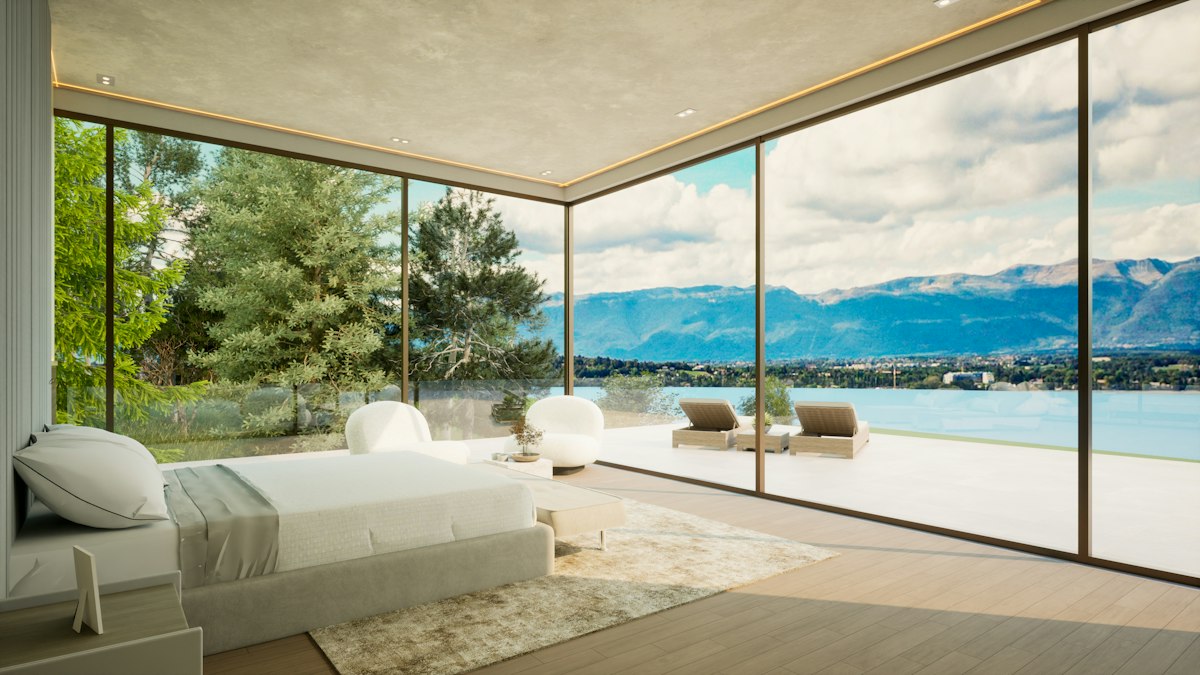
True luxury house interior design transcends the simple accumulation of expensive items. It is an intentional practice that prioritizes comfort, personalized aesthetics, and an uncompromising attention to detail. When you walk into a high-end space, the atmosphere should feel curated rather than cluttered, reflecting a deep understanding of scale, light, and materiality. This approach to design focuses on the sensory experience, ensuring that every texture, sound, and visual element works in harmony to create a sanctuary from the outside world.
For many homeowners, the challenge lies in bridging the gap between inspiration and execution. You may have a vision of a grand living room or a serene master suite, but translating those ideas into a cohesive reality requires a sophisticated strategy. This article explores the foundational elements that define modern luxury, from the raw materials used in construction to the bespoke finishes that provide a sense of exclusivity. We will look at how professional designers approach spatial planning and why investment in quality often yields the best long-term value.
Related posts
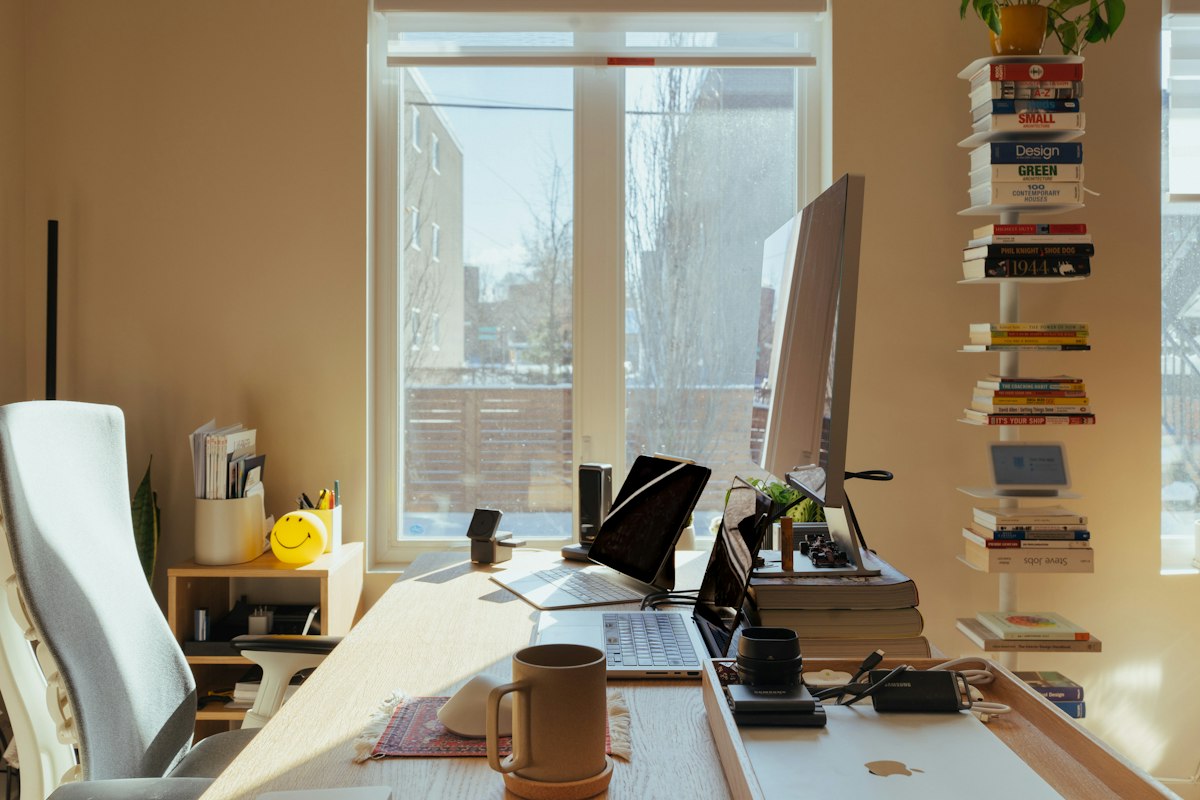
Home Office Interior Design: Professional Strategies for Productive Workspaces
The transition from a corporate cubicle to a residential workspace involves more than just finding a flat surface...
Read more →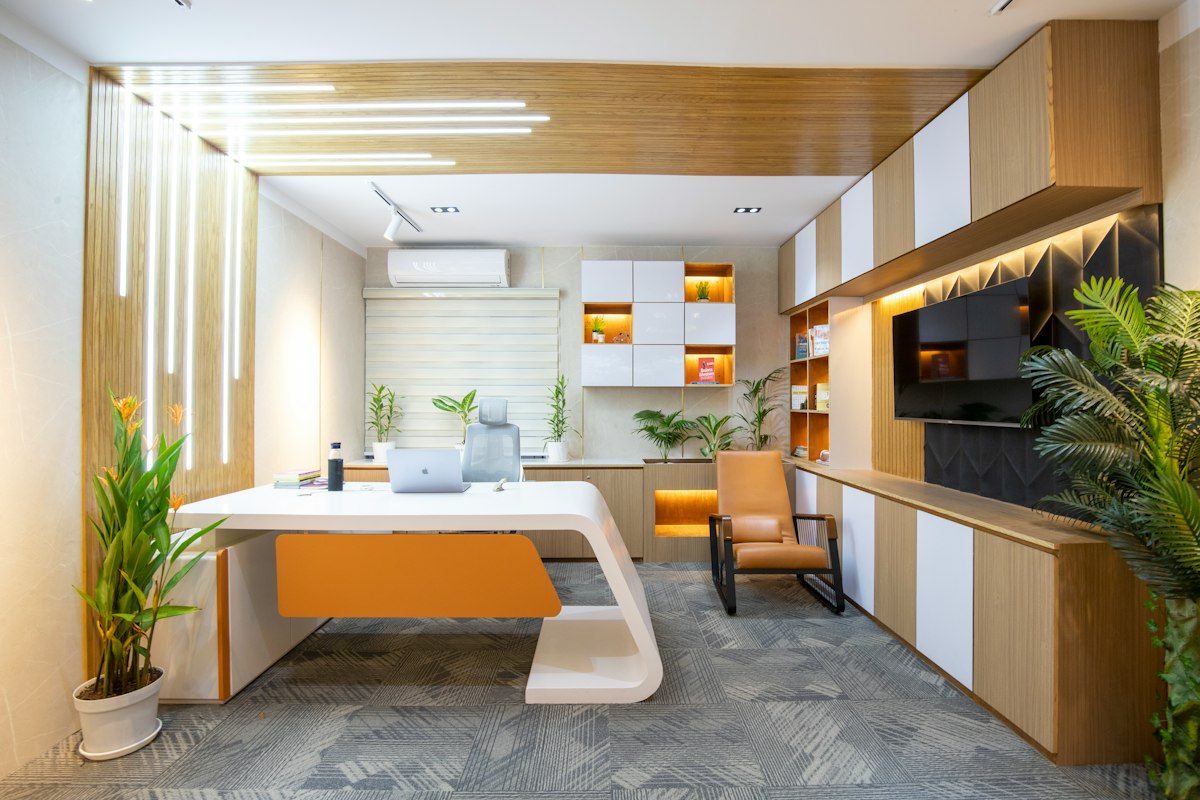
Low Budget Small Office Interior Design: Professional Workspace Transformation
Starting a business or managing a small team often means working within tight physical and financial constraints. You...
Read more →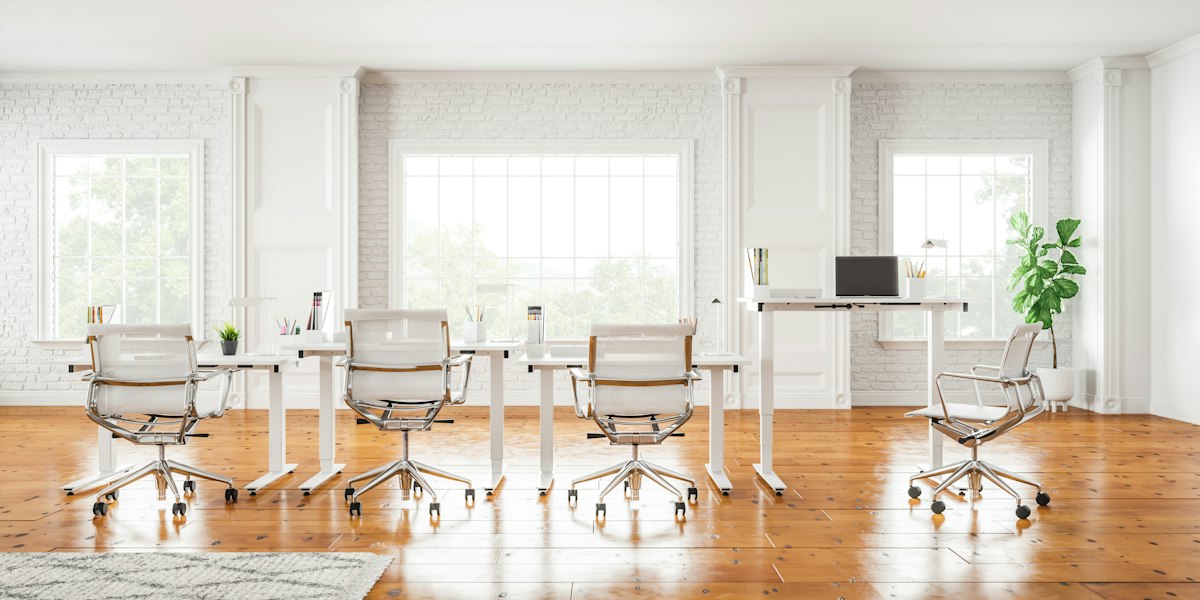
High-Performance Office Room Design for Modern Professionals
The physical space where you work acts as a silent partner in your daily output. It either facilitates...
Read more →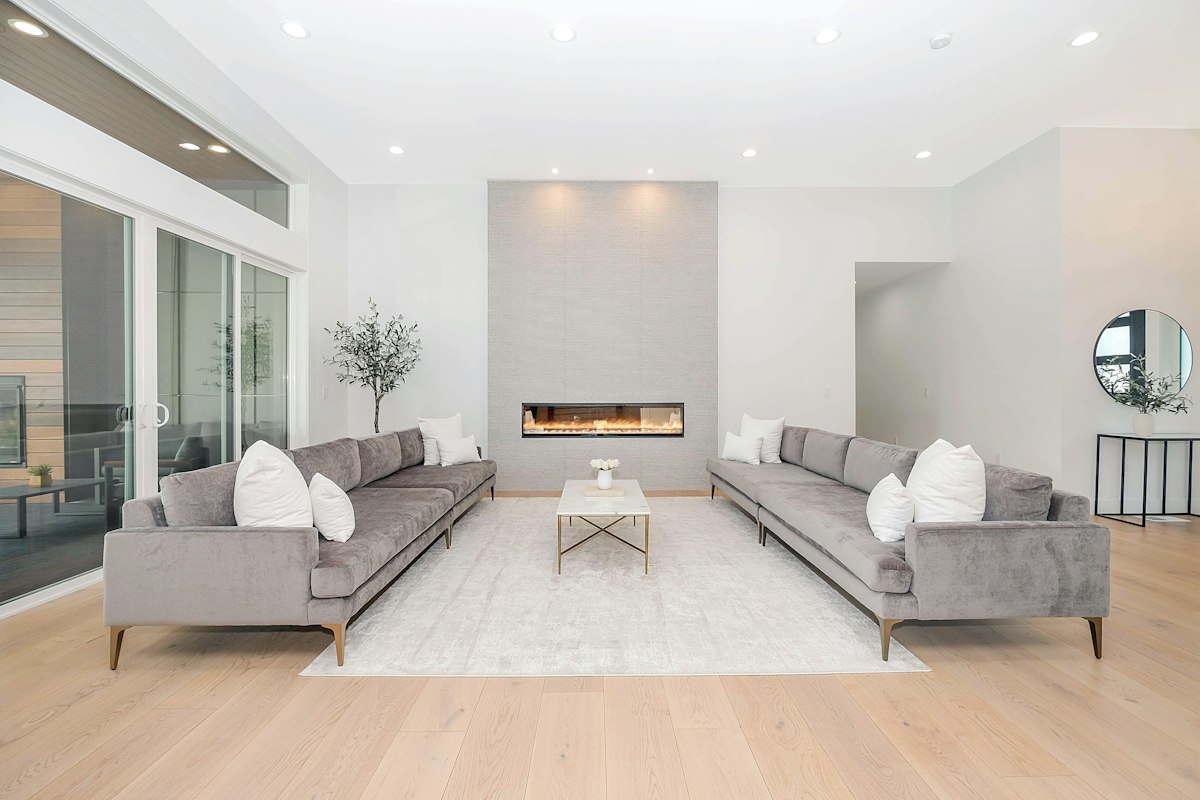
Luxury Home Interior Design
Creating a luxury home interior is far more than a simple exercise in purchasing expensive items. It is...
Read more →Creating a luxury environment involves more than just following the latest trends. It requires a timeless perspective that values craftsmanship and authenticity. Whether you are starting a new build or renovating an existing estate, understanding the nuances of high-end design allows you to make informed decisions that enhance both the beauty and the functionality of your home. We will cover the practicalities of material acquisition, the role of architectural lighting, and the integration of technology in a way that feels seamless and intuitive.
Luxury is ultimately about the freedom to customize your surroundings to fit your specific lifestyle. It is about finding the perfect balance between opulence and restraint. By focusing on the core principles of high-end interiors, you can transform a standard living space into an extraordinary residence that stands the test of time. Let us explore the specific components that contribute to a truly elevated home environment.
Key takeaways
- Prioritize Bespoke Elements: Custom furniture and unique architectural details ensure your home feels personal and exclusive rather than mass-produced.
- Invest in High-Quality Materials: Natural stones, rare woods, and hand-finished metals provide a tactile and visual depth that synthetic alternatives cannot replicate.
- Layered Lighting is Essential: A sophisticated lighting plan uses ambient, task, and accent layers to create mood and highlight architectural features.
- Focus on Seamless Integration: Technology and storage should be hidden or integrated into the design to maintain a clean, uncluttered aesthetic.
Defining the Philosophy of High-End Interiors
The concept of luxury has shifted significantly over the last decade. While it once meant gold-leafed moldings and heavy velvet drapes, today’s luxury house interior is often defined by "quiet luxury"—a focus on understated elegance and exceptional quality. This philosophy emphasizes the intrinsic value of materials and the skill of the artisans who work with them. It is a move away from flashy logos and toward a more refined, personalized expression of success.
In a luxury setting, every square inch of the home is considered. Spatial planning is not just about fitting furniture into a room; it is about the flow of movement and the psychological impact of the environment. A well-designed luxury home feels effortless. The transitions between rooms are smooth, the ceilings feel appropriately scaled, and there is a natural logic to the layout that makes daily life feel more organized and peaceful.
The Significance of Materiality and Texture
Materials are the building blocks of any interior, but in the luxury sector, they are the primary storytellers. The use of authentic, high-grade materials provides a sense of permanence and weight. When you touch a kitchen counter made of solid Calacatta marble or walk across wide-plank European oak flooring, the quality is immediately apparent. These materials age gracefully, developing a patina that adds character over time.
Natural Stone and Marble
Marble remains a staple of luxury design, but the focus has moved toward unique varieties with dramatic veining. Stones like Arabescato, Nero Marquina, and various types of Quartzite are used not just for countertops, but as full-height wall claddings and integrated sinks. The goal is to treat the stone as a piece of art, allowing its natural patterns to dictate the room's color palette.
Exotic Woods and Finishes
Wood brings warmth to a high-end interior. In luxury homes, we often see the use of walnut, teak, or ebonized oak. Beyond the species of wood, the finish is what matters most. Hand-rubbed oils and matte lacquers allow the natural grain to show through, avoiding the plastic-like appearance of cheaper alternatives. Intricate parquetry, such as chevron or herringbone patterns, adds a layer of architectural interest to floors and wall panels.
Textiles and Soft Furnishings
Tactile comfort is a hallmark of luxury. This is achieved through the layering of high-quality textiles. Think silk-wool blends for area rugs, Belgian linens for drapery, and mohair or high-grade leather for upholstery. These fabrics do more than just look good; they improve the acoustics of a room and make the furniture more inviting. The contrast between a smooth stone floor and a plush, hand-knotted rug creates a sensory depth that defines the luxury experience.
Architectural Lighting as a Design Anchor
Lighting is perhaps the most underrated element of interior design, yet it has the greatest power to transform a space. In a luxury house interior, lighting is treated as an architectural tool rather than an afterthought. It is used to define zones, guide the eye, and set the emotional tone of each room. Without a proper lighting plan, even the most expensive furniture will look flat and uninspiring.
The Three Layers of Light
A sophisticated lighting scheme involves three distinct layers. Ambient lighting provides the general illumination for the room, often through recessed architectural lights or discreet coves. Task lighting is functional, placed exactly where needed for reading or cooking. Finally, accent lighting is used to highlight art, sculptures, or textured walls. By controlling these layers independently, you can shift the mood of a room from bright and energetic to soft and intimate at the touch of a button.
Decorative Fixtures and Statement Pieces
While architectural lighting often stays hidden, decorative fixtures act as the "jewelry" of the home. Large-scale chandeliers, sculptural wall sconces, and hand-blown glass pendants serve as focal points. In luxury design, these fixtures are often bespoke or sourced from small-batch artisanal studios, ensuring that the home features pieces that cannot be found in a standard showroom.
Room-by-Room High-End Considerations
Every room in a luxury home serves a specific purpose, and the design should reflect that. While a cohesive aesthetic should run throughout the entire property, individual spaces allow for different levels of drama and functionality. Focusing on the details in these key areas can significantly elevate the overall feel of the residence.
The Gourmet Kitchen
The modern luxury kitchen is a blend of high-performance technology and minimalist design. We often see the "hidden kitchen" trend, where appliances like refrigerators and dishwashers are integrated behind custom cabinetry panels. Double islands are becoming common in large estates—one for food preparation and another for social gathering. High-end brands like Sub-Zero, Wolf, and Gaggenau are standard, but the true luxury lies in the custom organization of drawers and pantries.
The Master Suite Sanctuary
In high-end interiors, the master bedroom is treated as a private suite, often rivaling five-star hotels. This includes a spacious sleeping area, a dedicated lounge, an expansive walk-in dressing room, and a spa-like bathroom. The bathroom often features a freestanding soaking tub carved from a single block of stone, a steam shower with multiple body jets, and heated floors. The goal is to create a space that encourages relaxation and rejuvenation.
Entertainment and Wellness Spaces
Luxury homes often include dedicated areas for hobbies and wellness. This might include a climate-controlled wine cellar, a professional-grade home cinema, or a private gym and yoga studio. These spaces are not just about the equipment; they are about the environment. A home gym with floor-to-ceiling mirrors, advanced ventilation, and integrated sound systems makes the wellness routine a more pleasant experience.
Commercial Realities: Costs, Sourcing, and Timelines
Embarking on a luxury interior project requires a realistic understanding of the investment involved. High-end design is a complex undertaking that involves specialized labor and global supply chains. Understanding the commercial landscape helps in managing expectations and ensuring a successful outcome.
Professional fees for top-tier interior designers can be structured as a flat fee, an hourly rate, or a percentage of the total project cost (typically 10% to 25%). These designers provide access to "to-the-trade" showrooms and artisans that are not available to the general public. They also manage the procurement process, which involves tracking orders, inspecting items for damage, and coordinating white-glove delivery.
Timelines for luxury projects are often longer than standard renovations. Custom furniture can take 16 to 24 weeks for production, and rare materials may need to be shipped from overseas. It is not uncommon for a full-scale luxury interior project to take 12 to 18 months from the initial concept to the final styling. Planning for these durations is essential to avoid frustration and ensure that no corners are cut during the installation phase.
Frequently Asked Questions
What makes a house interior truly luxury?
Luxury is defined by the quality of craftsmanship, the rarity of materials, and the level of personalization. It is an interior that is tailored specifically to the inhabitant's needs, featuring bespoke furniture and architectural details that cannot be replicated. It also involves a high degree of comfort and a seamless integration of technology and functionality.
How do I balance luxury with everyday livability?
The key is to choose high-quality materials that are also durable. For example, using performance fabrics that look like silk but are stain-resistant, or choosing hard-wearing stones like quartzite instead of softer marbles in high-traffic areas. A luxury home should be a place where you feel comfortable living, not a museum where you are afraid to touch the furniture.
Is it necessary to hire an interior designer for a luxury project?
While not strictly necessary, a professional designer brings technical expertise, industry connections, and project management skills that are vital for high-end results. They can help you avoid costly mistakes, source unique items, and ensure that the scale and proportions of the space are handled correctly. Their involvement usually adds significant value to the property.
What are the current color trends in luxury house interiors?
Current trends favor sophisticated neutrals like warm greys, taupes, and creams, accented by rich, earthy tones like forest green, deep burgundy, or navy blue. The focus is on monochromatic palettes that use different textures to create interest rather than relying on high-contrast colors. This creates a calm, cohesive environment that feels timeless.
How can I incorporate smart home technology without ruining the design?
Modern luxury design prioritizes "invisible technology." This means using hidden speakers, motorized shades tucked into ceiling pockets, and centralized control systems that replace cluttered wall switches with a single, elegant keypad. The goal is to have the benefits of a smart home without the visual clutter of wires and devices.
Conclusion
Investing in a luxury house interior is an investment in your quality of life. By focusing on authentic materials, thoughtful spatial planning, and the subtle power of architectural lighting, you can create a home that is both a masterpiece of design and a functional sanctuary. Remember that true luxury is not about following a specific set of rules, but about curating a space that reflects your personal journey and provides an unparalleled level of comfort. Whether you are working with a professional team or managing the process yourself, prioritizing quality and craftsmanship will ensure that your home remains elegant and relevant for decades to come.