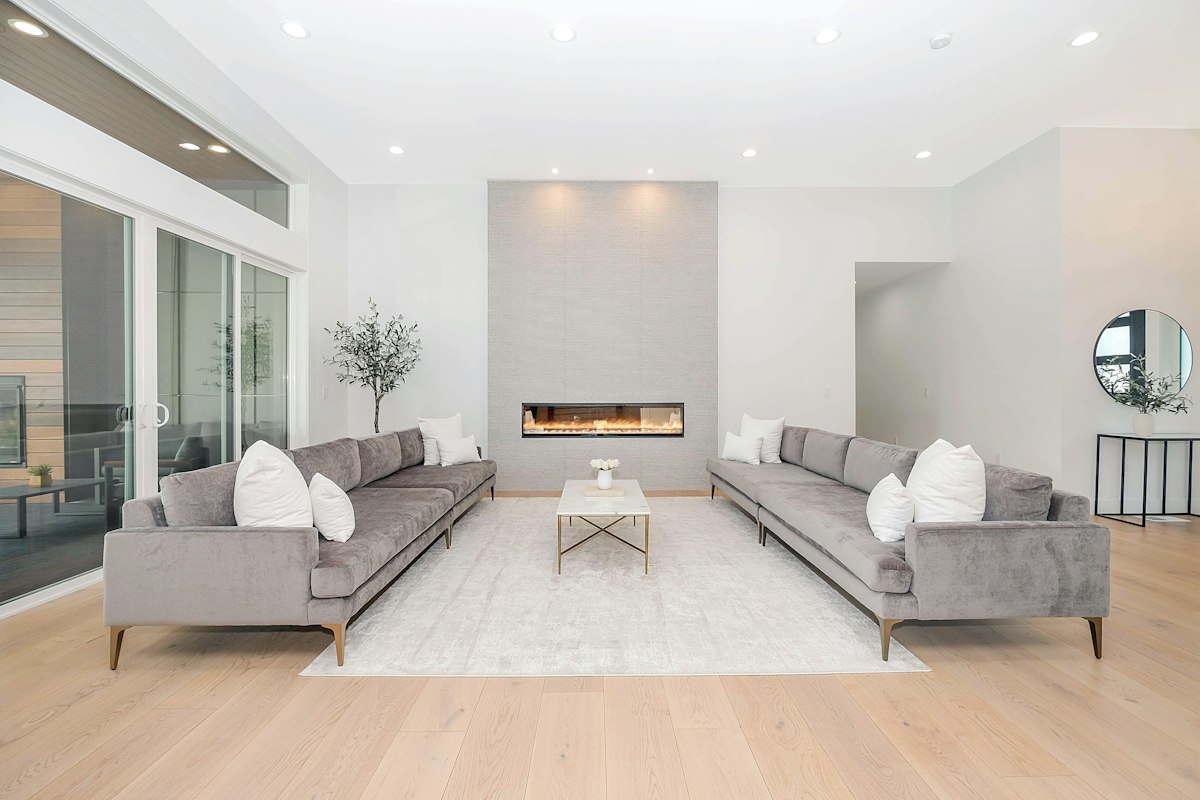
Luxury Home Interior Design
Creating a luxury home interior is far more than a simple exercise in purchasing expensive items. It is an intentional process of curation, where every texture, light fixture, and piece of furniture contributes to a cohesive narrative. When you step into a high-end space, the immediate sense of harmony does not happen by accident; it is the result of meticulous planning and a deep understanding of how physical environments influence human emotion and comfort.
Modern luxury has evolved significantly, moving away from the loud, ostentatious displays of the past. The current movement favors a concept often described as quiet luxury, where the emphasis shifts toward exceptional craftsmanship, rare materials, and a personalized touch that reflects the homeowner's unique journey. This approach values the feel of a hand-planed wood floor or the weight of a solid brass door handle over recognizable brand logos or flashy gold leaf.
Related posts
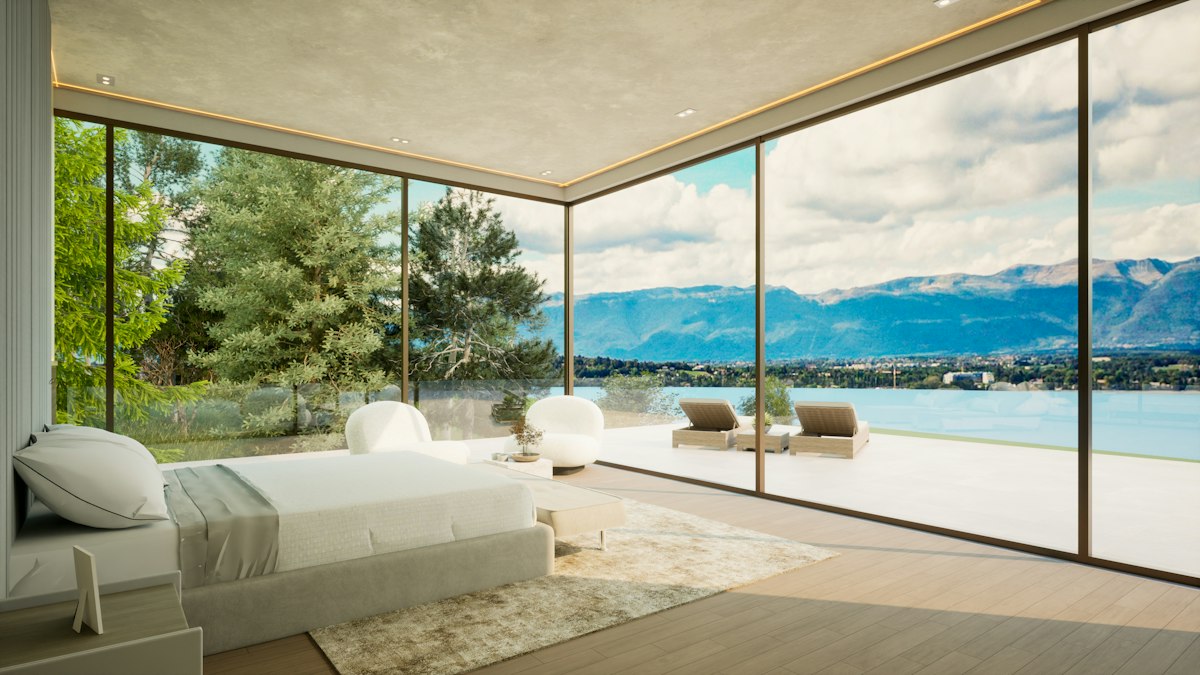
Luxury House Interior Design
True luxury house interior design transcends the simple accumulation of expensive items. It is an intentional practice that...
Read more →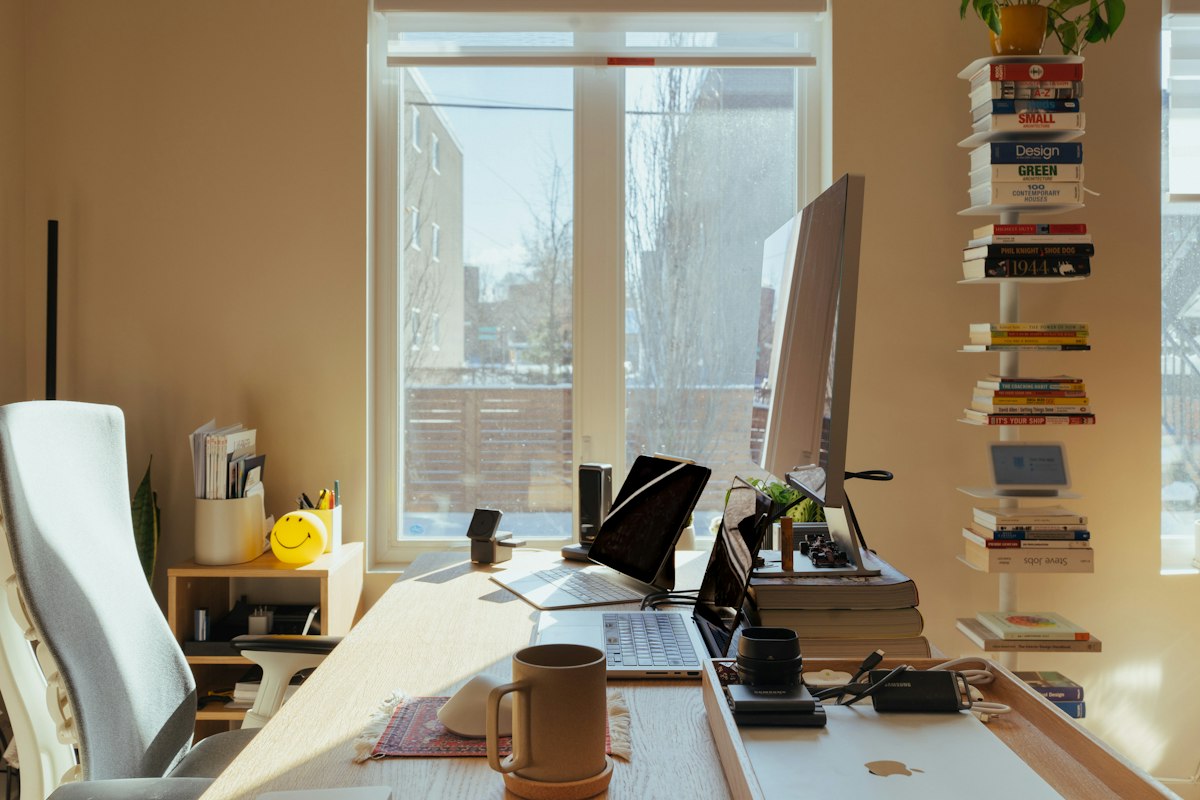
Home Office Interior Design: Professional Strategies for Productive Workspaces
The transition from a corporate cubicle to a residential workspace involves more than just finding a flat surface...
Read more →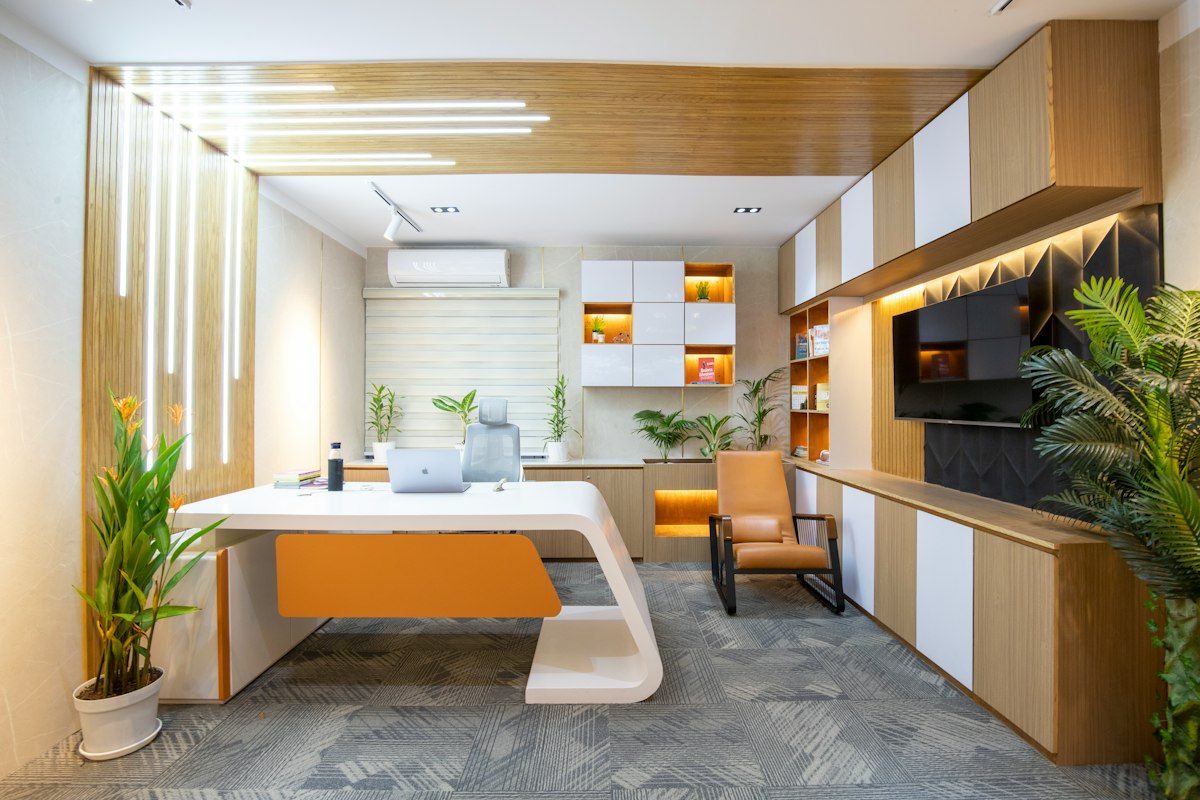
Low Budget Small Office Interior Design: Professional Workspace Transformation
Starting a business or managing a small team often means working within tight physical and financial constraints. You...
Read more →
High-Performance Office Room Design for Modern Professionals
The physical space where you work acts as a silent partner in your daily output. It either facilitates...
Read more →This exploration of high-end aesthetics will cover the foundational principles that elevate a residence from standard to extraordinary. We will look at how to balance scale and proportion, the importance of bespoke elements, and how integrated technology can enhance a lifestyle without cluttering the visual field. Whether you are embarking on a full-scale renovation or looking to refine your current environment, these insights provide a roadmap for achieving a sophisticated result.
Understanding these design pillars allows you to make informed decisions that protect your investment and ensure your home remains timeless. By focusing on quality over quantity and intentionality over trend-chasing, you can create a sanctuary that offers both functional excellence and profound beauty. Let us look at the specific components that define the world of premium residential design.
Key takeaways
- Bespoke Customization: One-of-a-kind furniture and finishes are the hallmarks of a truly luxury space.
- Material Integrity: Prioritize natural, high-grade materials like marble, solid hardwoods, and organic textiles for longevity and tactile appeal.
- Layered Lighting: A sophisticated lighting plan goes beyond basic fixtures to create mood, highlight art, and define zones.
- Spatial Flow: Luxury is often defined by the luxury of space, requiring careful attention to proportion and movement.
The Philosophy of Quiet Luxury
The concept of quiet luxury is rooted in the idea that true elegance does not need to shout. It is an understated approach that focuses on the intrinsic value of objects and the serenity of the environment. In a high-end home, this might manifest as a monochromatic color palette that relies on varying textures—such as silk, wool, and stone—to create visual interest rather than bold patterns or bright colors.
This philosophy also embraces the importance of negative space. In luxury design, every square inch does not need to be filled. Allowing a room to breathe creates a sense of calm and highlights the few, carefully selected pieces that are present. It is about the confidence to let a single, stunning piece of art or a perfectly framed view serve as the focal point without distraction.
The Importance of Craftsmanship
At the heart of high-end interiors is a commitment to craftsmanship. This means seeking out artisans who specialize in traditional techniques, whether it is hand-stitched leather upholstery or custom-forged ironwork. These elements carry a human touch that mass-produced items cannot replicate. When you invest in craftsmanship, you are not just buying furniture; you are acquiring a piece of history and a level of durability that ensures the item can be passed down through generations.
Materiality and the Sensory Experience
Luxury is a multi-sensory experience. While the visual aspect is important, the way a space feels and even sounds contributes to the overall atmosphere. Natural stone, such as Calacatta marble or travertine, offers a cool, solid touch and a unique veining pattern that acts as natural art. High-quality hardwoods like walnut or white oak provide warmth and a grounding presence underfoot.
Textiles play an equally fundamental role. In a luxury setting, you will often find heavy linens, rich velvets, and pure silks. These materials drape differently and catch the light in ways that synthetic fabrics cannot. The goal is to create a tactile environment where every surface invites touch and provides a sense of comfort and refinement.
Sustainable Luxury
Modern high-end design increasingly incorporates sustainability as a core value. Using reclaimed wood, non-toxic finishes, and locally sourced stone is no longer just an ethical choice; it is a mark of sophisticated taste. Homeowners are looking for materials that have a story and a minimal environmental footprint, proving that luxury and responsibility can coexist beautifully.
Lighting as an Architectural Element
Lighting is perhaps the most powerful tool in a designer's arsenal, yet it is often the most undervalued by novices. In luxury home interior design, lighting is treated as an architectural element rather than an afterthought. A successful plan involves three layers: ambient, task, and accent lighting. Ambient lighting provides the general glow, task lighting focuses on functional areas like kitchen islands or desks, and accent lighting highlights architectural details or artwork.
The integration of smart home technology allows for the creation of "scenes" that can be adjusted with a single touch. You might have a "morning" scene that slowly raises the motorized shades and dims the lights to a warm glow, or an "entertainment" scene that focuses light on the dining table while softening the rest of the house. This level of control adds a layer of convenience and atmosphere that is central to the modern luxury experience.
Spatial Planning and Proportion
A common mistake in large homes is the improper use of scale. Luxury design requires a mastery of proportion. If the furniture is too small for a grand room, the space feels cavernous and cold; if it is too large, the room feels cramped. Achieving the right balance involves selecting pieces that complement the height of the ceilings and the width of the walls.
Flow is another essential consideration. How do people move from the entryway to the living room? Is there a natural progression, or are there awkward bottlenecks? A well-designed luxury home feels intuitive to navigate. This often involves creating distinct zones within open-plan spaces, using rugs, lighting, or furniture placement to define areas for lounging, dining, and working without the need for physical walls.
The Role of Bespoke Furniture
Nothing says luxury like something made specifically for you. Bespoke furniture allows for a perfect fit, both in terms of physical dimensions and personal style. Whether it is a dining table sized exactly for your family gatherings or a walk-in closet designed to house a specific collection of watches or handbags, custom solutions eliminate the compromises inherent in retail furniture.
Working with a designer to create custom pieces also ensures that your home is truly unique. In an era where social media can make many high-end homes look identical, bespoke elements provide a much-needed sense of individuality. It allows the homeowner to be part of the creative process, resulting in a space that feels like a true reflection of their personality.
Investment and Commercial Considerations
While the primary goal of luxury design is personal enjoyment, it is also a significant financial investment. High-quality interior design can substantially increase the market value of a property. Prospective buyers in the luxury market are often looking for turn-key homes where the hard work of material selection and spatial planning has already been expertly handled.
When considering the costs, it is helpful to understand the fee structures of high-end design firms. Most operate on a combination of a flat design fee, an hourly rate for project management, and a percentage on procurement. While these costs can be significant, the expertise provided often prevents expensive mistakes and provides access to trade-only resources and artisans that are not available to the general public.
Frequently Asked Questions
How do I define my personal luxury style?
Start by collecting images that resonate with you, but look beyond the surface. Ask yourself why you like a certain room. Is it the color palette, the sense of space, or the specific materials? A professional designer can help you synthesize these preferences into a cohesive style, whether it is modern minimalism, classic opulence, or a transitional blend.
What is the typical timeline for a luxury interior project?
A full-scale luxury renovation or new build interior can take anywhere from six months to over two years. This timeline accounts for the design phase, the lead times for custom furniture (which can be 16 to 24 weeks), and the precision required during the installation of high-end finishes like stone and millwork.
Is smart home technology a requirement for luxury homes?
While not a strict requirement, integrated technology is a standard expectation in modern luxury. The key is seamless integration. You want the benefits of automated climate control, high-end audio, and security without seeing wires or bulky equipment. Hidden speakers and discreet control panels are the preferred approach.
How do I choose the right interior designer for a high-end project?
Look for a designer whose portfolio aligns with your aesthetic, but also prioritize their project management capabilities. Luxury design involves complex logistics and coordination with architects and contractors. Request references and ensure their communication style matches your expectations for a long-term partnership.
Can luxury design be kid and pet-friendly?
Absolutely. Modern textile technology has produced high-performance fabrics that look and feel like silk or velvet but are incredibly durable and stain-resistant. Luxury is about living well, and that includes being able to enjoy your home with your family without constant worry about damage.
Conclusion
Luxury home interior design is an art form that balances aesthetics, functionality, and personal expression. By prioritizing quality materials, bespoke craftsmanship, and thoughtful spatial planning, you create an environment that transcends temporary trends. A truly luxury home is not defined by its price tag, but by the sense of peace, comfort, and character it provides to those who live within its walls. Investing in your surroundings is ultimately an investment in your quality of life, providing a beautiful backdrop for the moments that matter most.