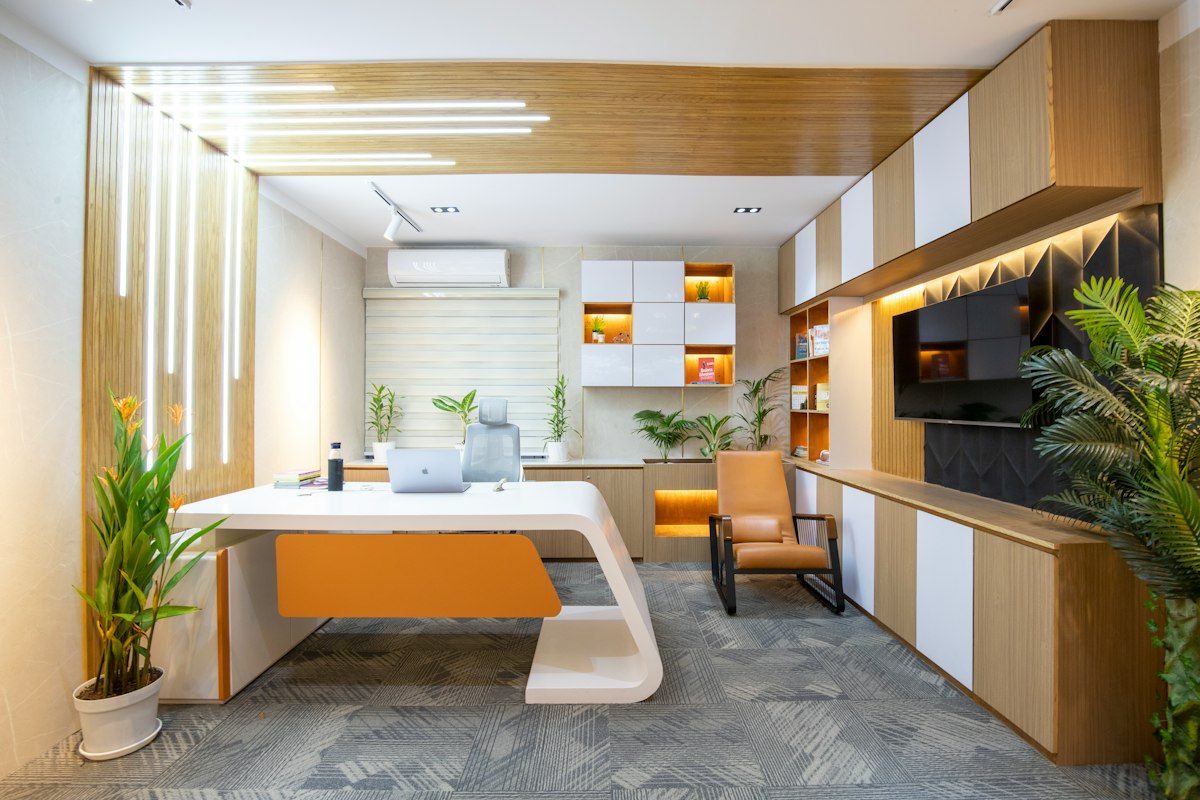
Low Budget Small Office Interior Design: Professional Workspace Transformation
Starting a business or managing a small team often means working within tight physical and financial constraints. You might find yourself staring at a cramped room, wondering if it is possible to create a professional atmosphere without spending a fortune. The good news is that creativity often thrives under pressure. A limited budget forces you to prioritize functionality and authentic style over expensive, cookie-cutter solutions that often lack personality.
Designing an office on a shoestring budget requires a shift in perspective. Instead of looking at what you lack, focus on the potential of the square footage you already have. This article explores practical strategies for transforming tiny workspaces into productive hubs. We will cover everything from strategic furniture sourcing to the psychological impact of color and lighting, ensuring your office looks premium even if the bank balance says otherwise.
Related posts
Luxury House Interior Design
True luxury house interior design transcends the simple accumulation of expensive items. It is an intentional practice that...
Read more →
Home Office Interior Design: Professional Strategies for Productive Workspaces
The transition from a corporate cubicle to a residential workspace involves more than just finding a flat surface...
Read more →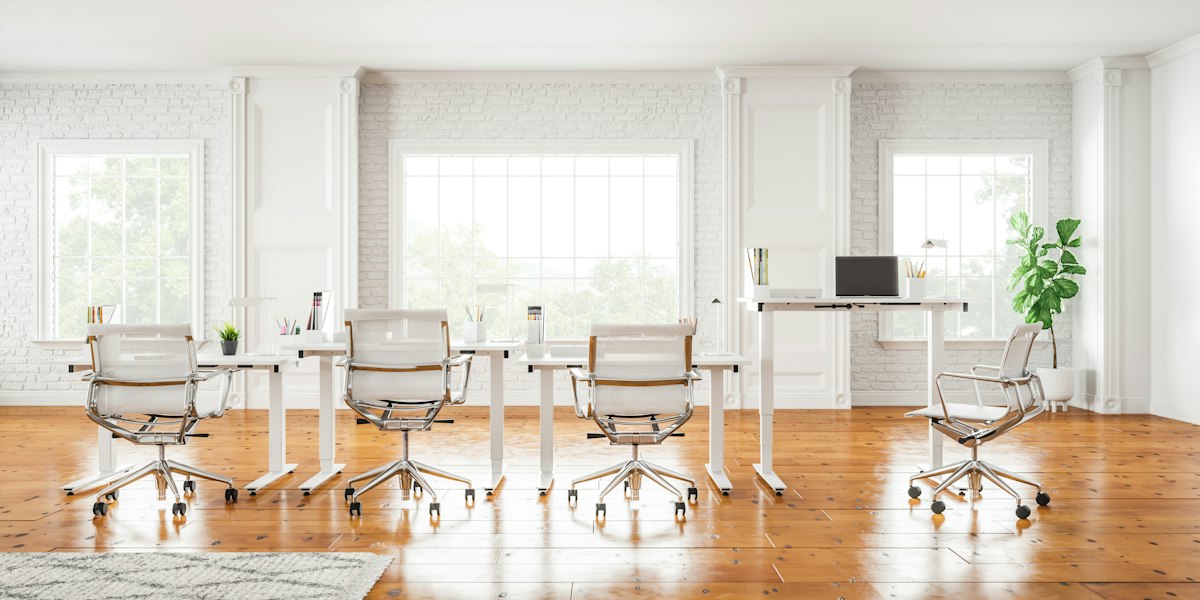
High-Performance Office Room Design for Modern Professionals
The physical space where you work acts as a silent partner in your daily output. It either facilitates...
Read more →
Luxury Home Interior Design
Creating a luxury home interior is far more than a simple exercise in purchasing expensive items. It is...
Read more →A well-designed office is not just about aesthetics; it directly impacts your daily output and mental clarity. When every item has a purpose and the layout flows logically, you spend less time fighting your environment and more time focusing on high-value tasks. By the end of this discussion, you will have a clear roadmap for creating an inspiring workspace that reflects your brand identity without requiring a massive capital injection.
Key takeaways
- Prioritize Multi-Functional Furniture: Invest in pieces that serve more than one purpose to save both money and floor space.
- Leverage Natural Elements: Use natural light and greenery to enhance the atmosphere for free or very low costs.
- Focus on Verticality: When floor space is limited, move storage and decor to the walls to keep the room feeling open.
- Embrace the Second-Hand Market: High-quality commercial furniture is often available at a fraction of the price through liquidations and refurbished outlets.
Strategic Layout Planning for Small Spaces
The foundation of any successful low budget small office interior design is the floor plan. In a confined area, every inch counts. Before buying a single chair, measure the room and map out the workflow. Do you spend most of your time on a computer, or do you need space for physical prototypes? Understanding your primary activity allows you to allocate the best real estate in the room to your most frequent tasks.
One effective method for optimizing small layouts is the Zoning Technique. Instead of scattering items randomly, group related activities. Place the desk near the window to take advantage of natural light, which reduces the need for expensive overhead fixtures. Keep storage units within arm's reach of the primary workstation to minimize movement. If the office must accommodate more than one person, consider a back-to-back desk arrangement. This setup keeps the center of the room clear, making the space feel significantly larger than it actually is.
The Power of Open Sightlines
Avoid placing bulky furniture in the middle of the room or directly in front of the door. This creates visual roadblocks that make a small office feel claustrophobic. Instead, push larger pieces against the walls. Using furniture with thin legs or glass tops can also help. These pieces allow the eye to travel through them to the walls and floor beyond, creating an illusion of expansiveness. When the floor is visible, the brain perceives the room as being less cluttered.
Choosing Affordable and Durable Furniture
Furniture is usually the largest expense in any office project. However, you do not need to buy brand-new, high-end designer pieces to achieve a professional look. The key is to look for commercial-grade durability without the retail price tag. Many corporations refresh their offices every few years, leading to a surplus of high-quality desks and chairs in the secondary market. Check office liquidation warehouses or online marketplaces for brands like Steelcase or Herman Miller at deep discounts.
Modular furniture is another excellent choice for those on a budget. These systems allow you to start with a basic desk and add drawers or shelving units as your business grows. This scalability prevents you from overspending on furniture you do not yet need. If you prefer new items, look for flat-pack options that use metal frames and laminate tops. These materials are often cheaper than solid wood but offer a sleek, modern aesthetic that fits perfectly in a small office environment.
Repurposing and Upcycling
Do not be afraid to get creative with non-office items. An old dining table can serve as a spacious communal desk for a small team. A sturdy bookshelf can act as a room divider while providing essential storage. Upcycling involves more than just saving money; it adds a unique character to your space that sets it apart from corporate cubicle farms. A fresh coat of paint or new hardware on an old cabinet can make it look like a custom-designed piece for the cost of a few supplies.
Enhancing Atmosphere with Color and Lighting
Paint is perhaps the most cost-effective tool in your design arsenal. A single gallon of paint can completely change the mood of a small office. For tight spaces, light and neutral tones are generally the safest bet. Whites, soft greys, and light beiges reflect light, making the walls feel like they are receding. If you want to incorporate brand colors, consider an accent wall. Painting one wall a bolder shade adds depth and a focal point without overwhelming the senses.
Lighting is equally impactful. A poorly lit office feels dingy and small, regardless of how much you spent on the furniture. Layer your lighting to create a professional vibe. Start with ambient lighting—usually the overhead light—and add task lighting in the form of a desk lamp. Finally, add accent lighting, such as a small LED strip behind a monitor or under a shelf. This layering adds dimensions to the room and reduces eye strain during long working hours. Warm-white bulbs (around 3000K to 4000K) strike the perfect balance between professional clarity and a welcoming atmosphere.
Storage Solutions That Save Space
Clutter is the enemy of the small office. When papers and supplies pile up on surfaces, the room feels disorganized and cramped. To maintain a clean aesthetic on a budget, look toward your walls. Floating shelves are inexpensive and keep the floor clear. They also provide a place to display a few decorative items, which helps the office feel less like a utility closet and more like a professional studio.
Using vertical filing systems or pegboards is another way to organize tools and documents without taking up desk space. Pegboards are particularly useful because they are highly customizable. You can move hooks, bins, and shelves around as your needs change. For hidden storage, consider rolling carts that can be tucked under a desk when not in use. This keeps your essential supplies close by but out of sight, maintaining that sought-after minimalist look.
Commercial Intent: Costs and Decision Factors
When planning your low budget small office interior design, it is helpful to categorize your spending. A realistic entry-level budget for a single-person office might range from $300 to $1,000, depending on whether you already own some equipment. The largest portion of this should always go toward a high-quality ergonomic chair. You can skimp on the desk or the rug, but your physical health and productivity depend on proper lumbar support. A cheap chair is a false economy that leads to back pain and reduced focus.
Durability is the second most important factor. In a commercial setting, furniture takes more abuse than in a home. Choosing metal over plastic or high-pressure laminate over thin veneer will ensure your investment lasts for several years. If you are renting your office space, prioritize "non-permanent" upgrades like peel-and-stick wallpaper, floor lamps, and area rugs. These items allow you to personalize the space without risking your security deposit or spending money on improvements you cannot take with you when you move.
Frequently Asked Questions
What is the cheapest way to divide a small office?
The most affordable way to create divisions in a small office is by using open shelving units or fabric screens. Shelving provides storage while acting as a physical barrier. Alternatively, hanging curtains or using tall potted plants can define different zones without the high cost and permanence of drywall or glass partitions.
How can I make a windowless office feel bigger?
If you lack natural light, use large mirrors to reflect artificial light and create a sense of depth. Painting the walls a bright, reflective white and using "daylight" balanced LED bulbs can also mimic the feel of a sunlit room. Adding landscape art or a few hardy indoor plants can reduce the feeling of being enclosed.
Are standing desks worth the extra cost for a small office?
Standing desks are excellent for small offices because they often have a smaller footprint than traditional executive desks. Many budget-friendly manual or electric versions are now available. They promote better health and can make a small space feel more dynamic, though they are not strictly necessary if you are on a very tight budget.
Should I hire a professional for a small budget project?
For a very small budget, hiring a full-service interior designer may not be cost-effective. However, many designers now offer "e-design" or hourly consultations. If you are struggling with a difficult layout, a one-hour consultation can provide professional insights that prevent you from making expensive mistakes, making it a wise investment in the long run.
Conclusion
Creating an impressive workspace does not require a massive corporate budget. By focusing on smart layouts, sourcing pre-owned furniture, and using paint and lighting strategically, you can achieve a high-end look for less. Remember that the best low budget small office interior design is one that evolves with your needs. Start with the essentials—a great chair and a functional desk—and build the rest of the environment over time. This approach allows you to manage cash flow while slowly crafting a space that inspires your best work every single day.