
Crafting Productive Spaces: The Power of Commercial Office Design
The modern workplace is more than just a collection of desks and chairs; it's a dynamic ecosystem that profoundly influences productivity, collaboration, and employee well-being. Far from being a mere aesthetic exercise, strategic commercial office design has become a critical business imperative, directly impacting everything from talent attraction and retention to operational efficiency.
Think about your current office environment. Does it inspire creativity, or does it feel like a constraint? Does it foster connection, or does it isolate? These aren't minor considerations. The physical layout and atmosphere of your workspace send a powerful message about your company culture and values, both to your team and to prospective clients.
Related posts
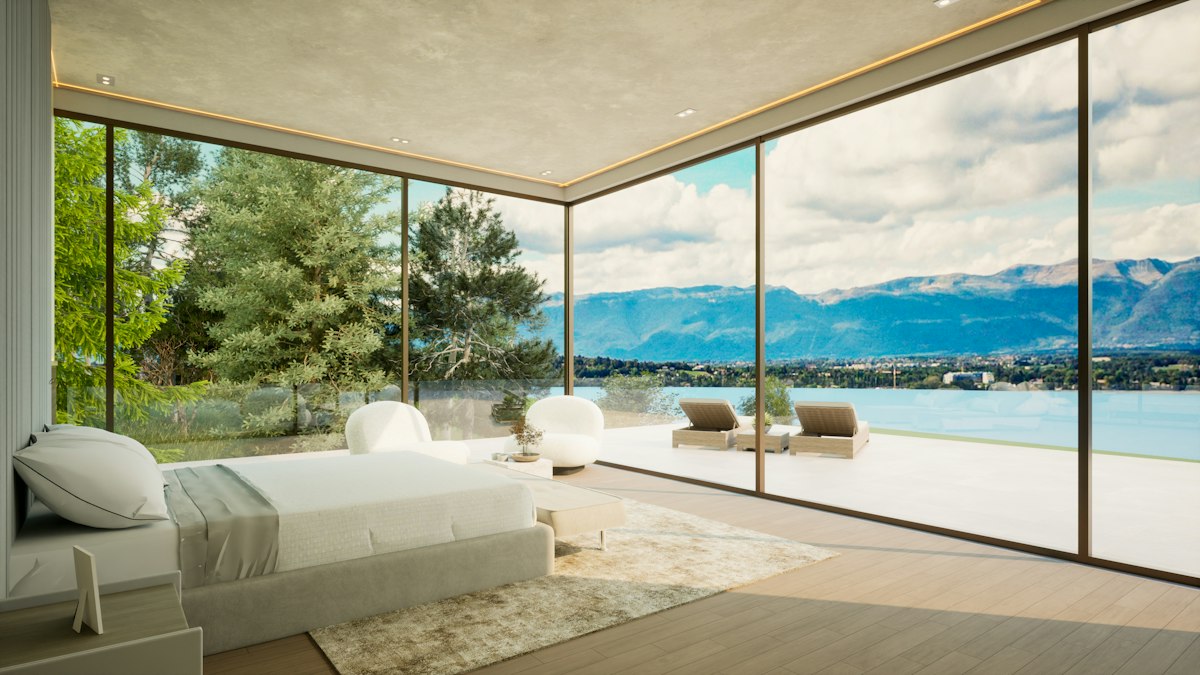
Luxury House Interior Design
True luxury house interior design transcends the simple accumulation of expensive items. It is an intentional practice that...
Read more →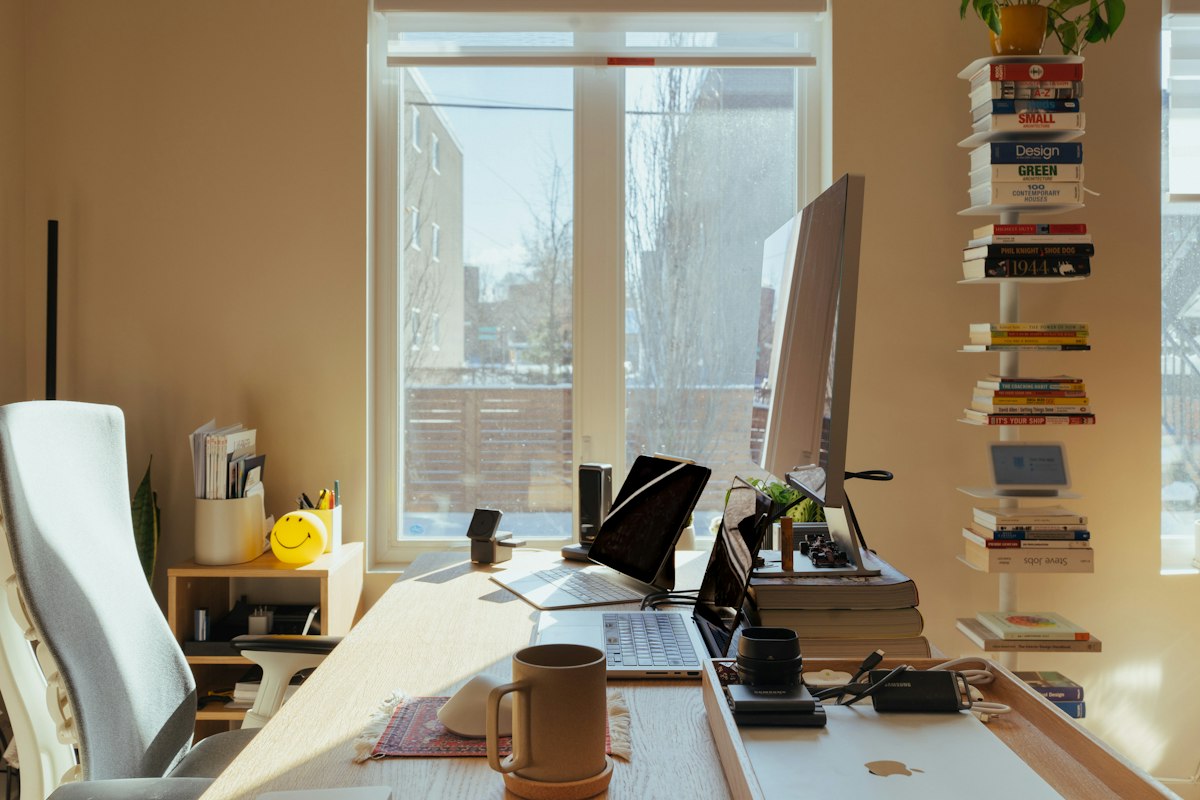
Home Office Interior Design: Professional Strategies for Productive Workspaces
The transition from a corporate cubicle to a residential workspace involves more than just finding a flat surface...
Read more →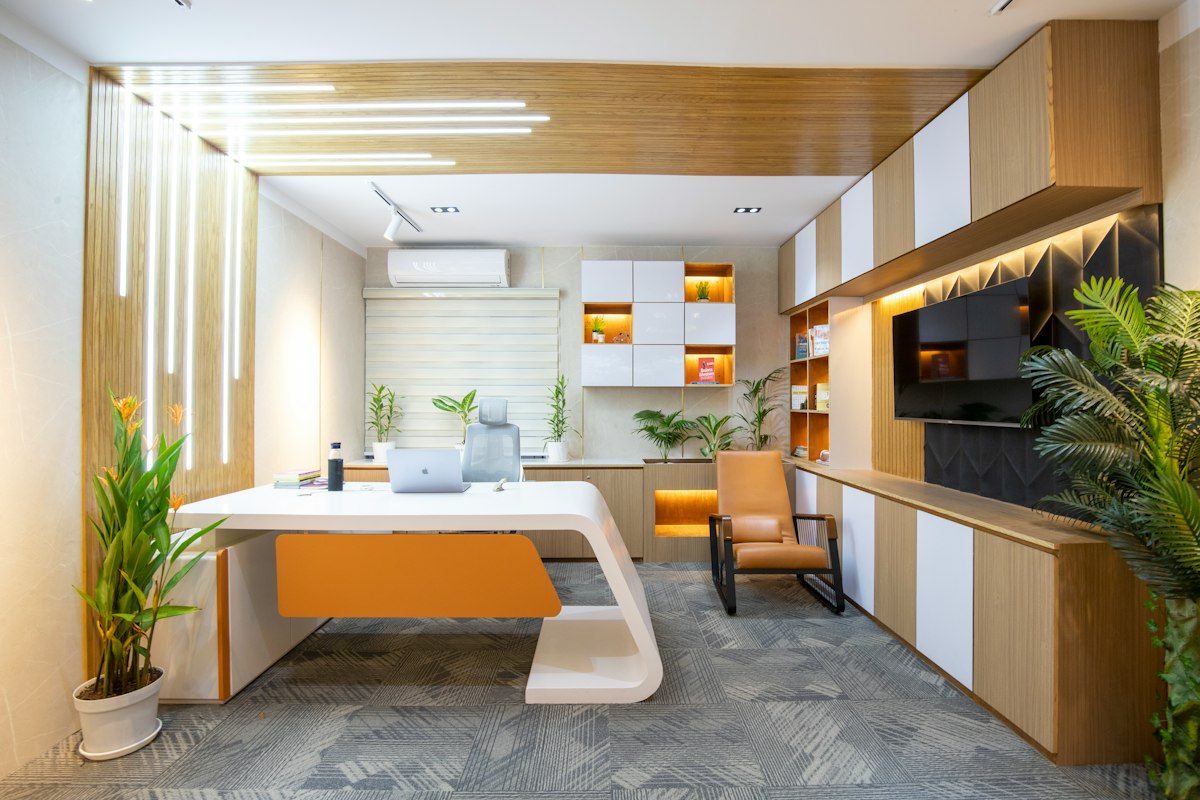
Low Budget Small Office Interior Design: Professional Workspace Transformation
Starting a business or managing a small team often means working within tight physical and financial constraints. You...
Read more →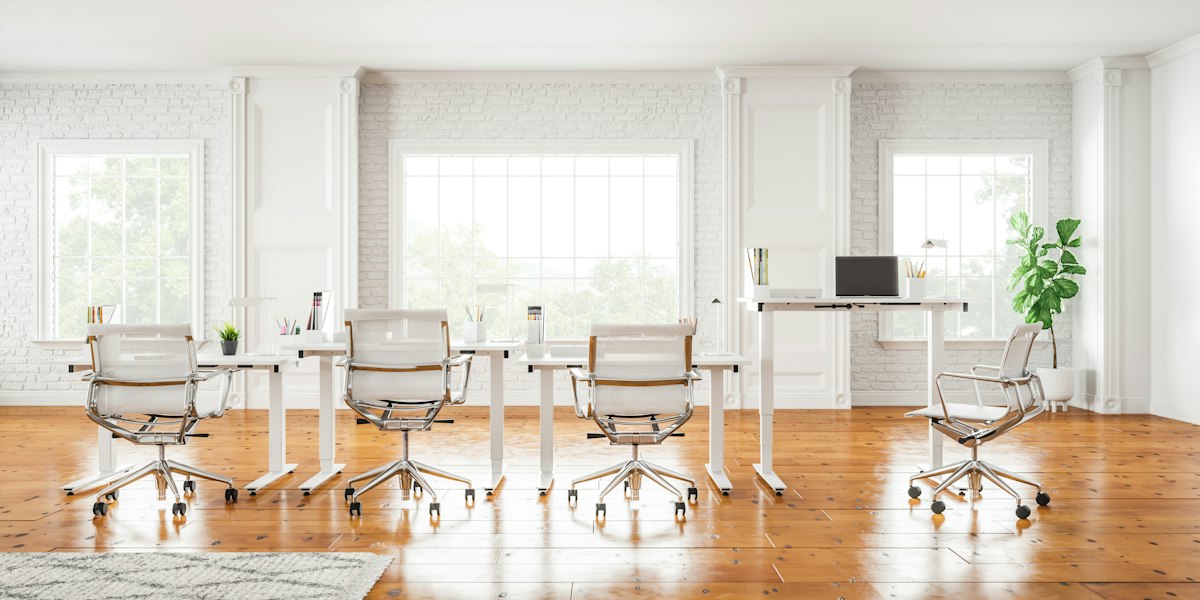
High-Performance Office Room Design for Modern Professionals
The physical space where you work acts as a silent partner in your daily output. It either facilitates...
Read more →Ignoring the impact of thoughtful design is a missed opportunity. A well-designed office can reduce stress, enhance focus, and even contribute to a healthier bottom line. It’s about creating an environment where people genuinely want to be, enabling them to perform at their best.
This article explores how intelligent commercial office design can transform your business, offering insights into key principles, practical considerations, and the tangible benefits of investing in your workspace.
Key Takeaways
- Strategic Impact: Good design directly boosts productivity, employee satisfaction, and brand perception.
- Holistic Approach: It balances aesthetics, functionality, well-being, and technological integration.
- Investment, Not Expense: Thoughtful design yields a strong return through improved performance and talent retention.
- Future-Ready: Adaptable designs accommodate evolving work styles and business needs.
The Core Principles of Effective Commercial Office Design
Designing a commercial office isn't about following fleeting trends; it's about applying fundamental principles that serve a business's unique needs and aspirations. It starts with understanding how people work and interact within the space.
Functionality and Flow
Every element of an office should serve a purpose. Good design optimizes workflow, minimizes distractions, and ensures easy navigation. This often involves creating distinct zones for different activities – focused work, collaborative brainstorming, quiet reflection, and social interaction. How do people move between these areas? Is it intuitive, or does it create bottlenecks?
Employee Well-being and Comfort
A comfortable employee is a productive employee. This encompasses everything from ergonomic furniture and proper lighting to air quality and access to natural light. Prioritizing well-being can significantly reduce absenteeism and improve overall morale. Consider how acoustics affect concentration or how breaks in dedicated relaxation areas can recharge focus.
Reflecting Brand Identity and Culture
Your office is a physical manifestation of your brand. Does its design align with your company's values, mission, and public image? A vibrant tech startup might opt for an energetic, open plan, while a traditional law firm might favor a more classic, understated elegance. Consistency in design reinforces brand identity and fosters a sense of belonging among employees.
Flexibility and Adaptability
The business world is constantly evolving, and so should your office. Flexible designs allow for easy reconfiguration to support changing team sizes, project needs, or new work methodologies like hybrid models. Modular furniture, movable partitions, and integrated technology are all elements that contribute to an adaptable workspace.
Practical Considerations in Office Design Projects
Embarking on a commercial office design project involves a series of critical decisions. These aren't just about aesthetics; they're about balancing vision with practical constraints and long-term objectives.
Budgeting and Cost Management
Defining a realistic budget upfront is paramount. This isn't just about the initial build-out or renovation costs but also factoring in furniture, technology, and ongoing maintenance. Experienced designers can help prioritize spending to maximize impact within financial limits, often suggesting phased approaches or cost-effective material choices without compromising quality.
Space Utilization and Layout Planning
How can you make the most of your available square footage? This is where strategic layout planning comes in. It involves analyzing current and future space needs, optimizing for density without feeling cramped, and ensuring compliance with building codes and accessibility standards. Effective space planning can uncover hidden potential and improve operational efficiency.
Technology Integration
Modern offices are intrinsically linked with technology. Design must account for seamless integration of IT infrastructure, audio-visual equipment, and smart building systems. This includes planning for power outlets, data ports, Wi-Fi coverage, and dedicated spaces for video conferencing or collaborative digital displays. Technology should enhance, not complicate, the work environment.
Sustainability and Environmental Impact
Increasingly, businesses are prioritizing sustainable design practices. This can involve using eco-friendly materials, energy-efficient lighting, smart climate control systems, and optimizing for natural ventilation and daylight. Sustainable design not only reduces environmental impact but can also lead to lower operating costs and enhance a company's reputation.
The ROI of Thoughtful Design
Investing in commercial office design isn't an expense; it's a strategic investment with measurable returns. When executed well, the benefits extend far beyond an attractive appearance.
- Increased Productivity: A well-organized, comfortable environment reduces distractions and supports focused work, leading to higher output.
- Enhanced Employee Engagement: Employees who feel valued and comfortable in their workspace are more engaged, leading to lower turnover rates and a more positive company culture.
- Attracting and Retaining Talent: In a competitive job market, a compelling office environment can be a significant differentiator, drawing in top talent and making them want to stay.
- Stronger Brand Perception: A professionally designed office reinforces your brand's credibility and professionalism to clients, partners, and visitors.
- Improved Collaboration: Spaces designed for interaction naturally foster better teamwork and idea exchange.
Frequently Asked Questions About Commercial Office Design
What is the typical timeline for a commercial office design project?
The timeline for a commercial office design project varies widely depending on the scope and size. A small refresh might take a few weeks, while a complete renovation or new build for a large office could span several months to over a year. Key phases include initial consultation, design development, material selection, permitting, construction, and final fit-out.
How do I choose the right design firm for my office project?
Selecting the right firm involves researching their portfolio for relevant experience, checking client testimonials, and assessing their understanding of your business needs and culture. Look for a firm that offers a collaborative approach, transparent communication, and a proven track record of delivering projects on time and within budget. Interviewing a few candidates is always a good idea.
What are the current trends in commercial office design?
Current trends emphasize flexibility, employee well-being, and technology integration. This includes hybrid work models requiring adaptable spaces, biophilic design elements (bringing nature indoors), activity-based working zones, and a focus on acoustics and air quality. Sustainability and smart office technology also remain strong drivers.
How can office design impact employee productivity and satisfaction?
Office design significantly impacts productivity and satisfaction by influencing factors like comfort, noise levels, access to natural light, and opportunities for collaboration or focused work. Ergonomic furniture, dedicated quiet zones, well-planned social areas, and a visually appealing environment can reduce stress, enhance concentration, and foster a sense of belonging, directly boosting both output and morale.
Conclusion
Commercial office design is a powerful tool, far exceeding mere aesthetics. It's a strategic investment in your organization's future, shaping how your team performs, how your brand is perceived, and how effectively you can adapt to change. By thoughtfully considering functionality, well-being, brand identity, and future needs, businesses can create environments that don't just house operations, but actively drive success and innovation. The right design can transform your workspace into a true asset.