Affordable Home Transformations: Smart Strategies for Low Budget Interior Design
Staring at a room that feels uninspired is a common frustration, especially when your vision for a beautiful home clashes with a limited bank account. Many homeowners and renters believe that professional-looking interiors are reserved for those with five-figure budgets and access to high-end showrooms. This misconception often leads to decor paralysis, where you live in a space that doesn't reflect your personality simply because you fear the cost of change.
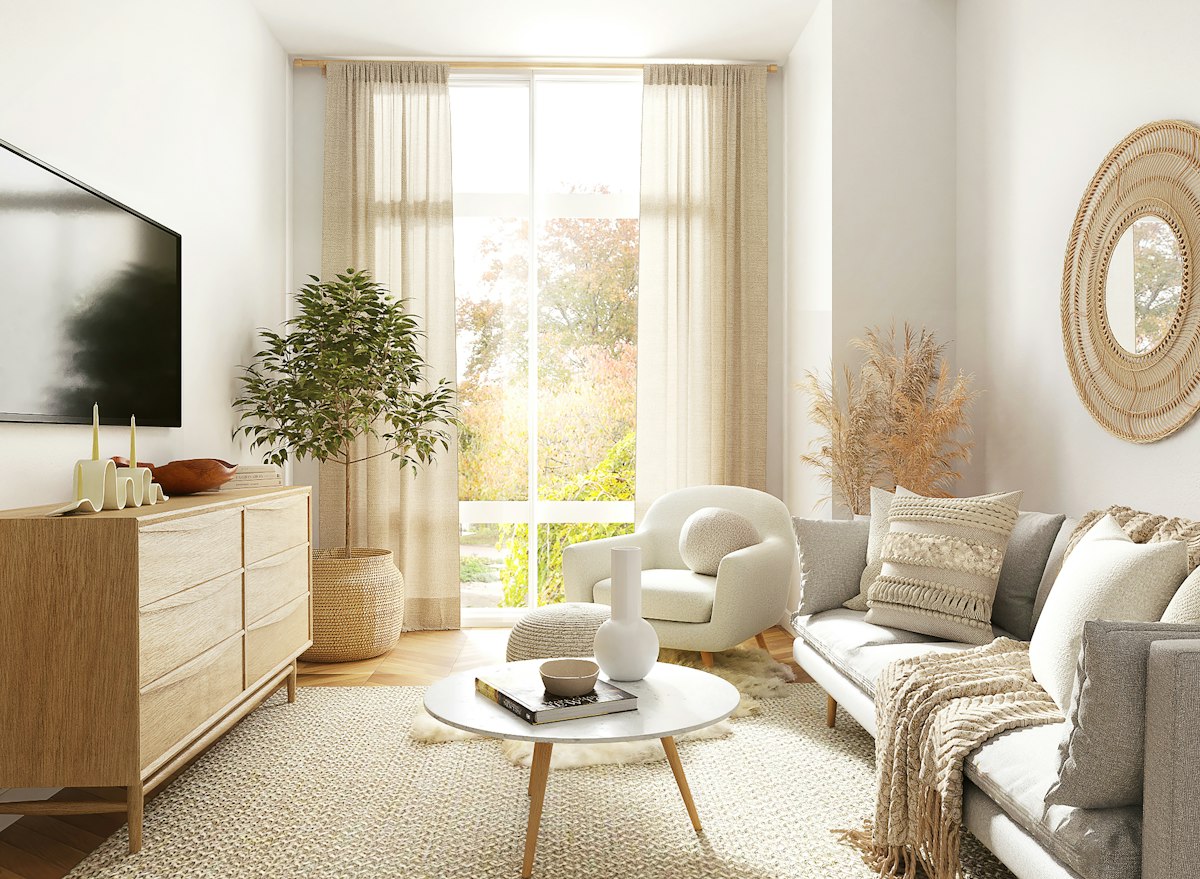
The reality is that high-impact design is more about creativity and strategy than it is about spending power. You do not need a massive renovation or a celebrity designer to make your living space feel cohesive, expensive, and welcoming. By focusing on the fundamentals of light, color, and layout, you can achieve a sophisticated aesthetic without overextending your finances.
Related posts
Luxury House Interior Design
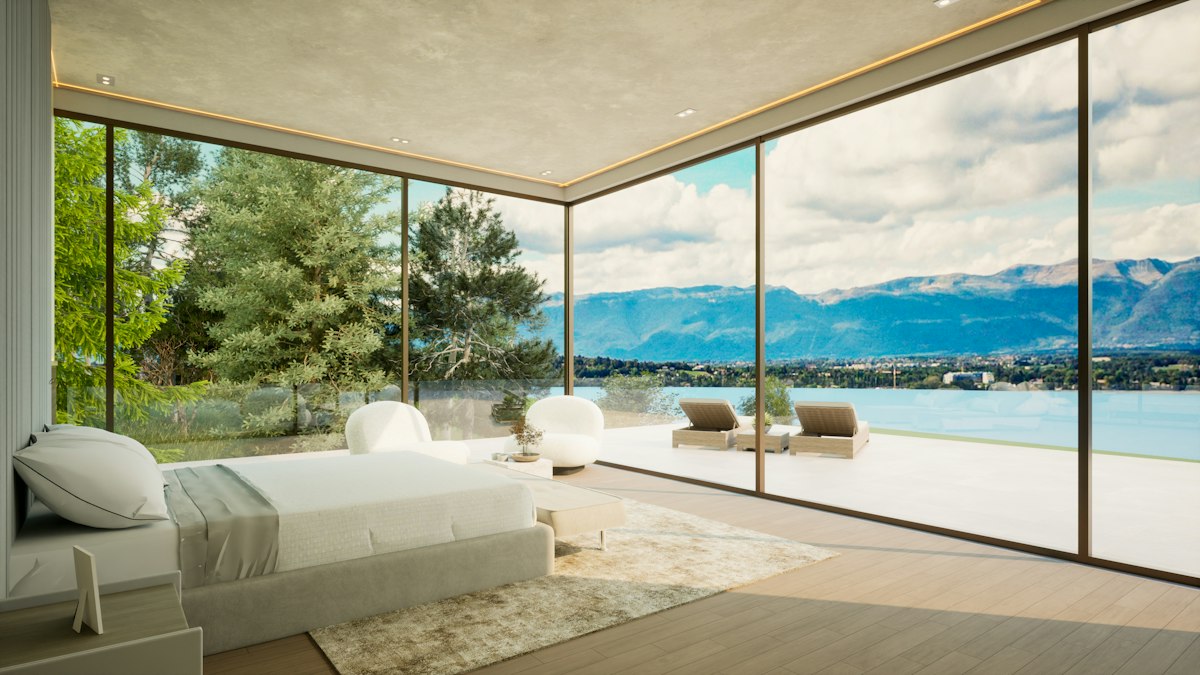
True luxury house interior design transcends the simple accumulation of expensive items. It is an intentional practice that...
Read more →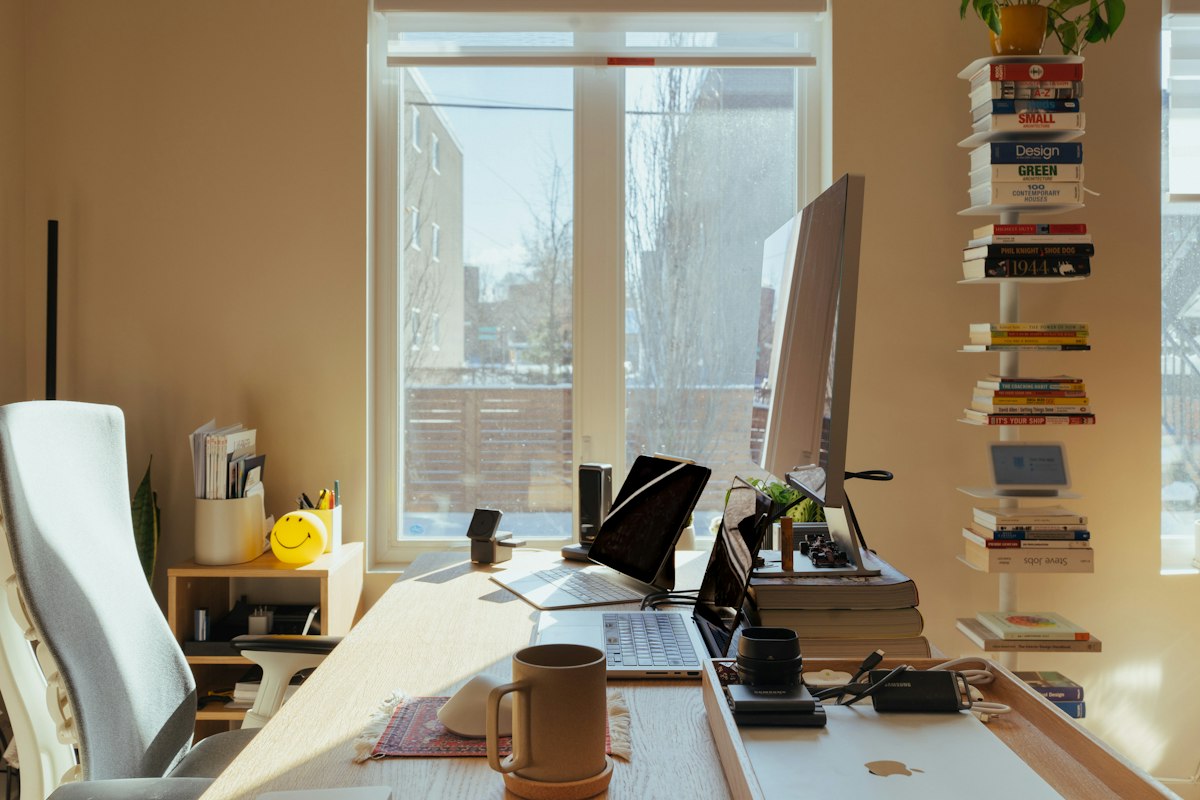
Home Office Interior Design: Professional Strategies for Productive Workspaces
The transition from a corporate cubicle to a residential workspace involves more than just finding a flat surface...
Read more →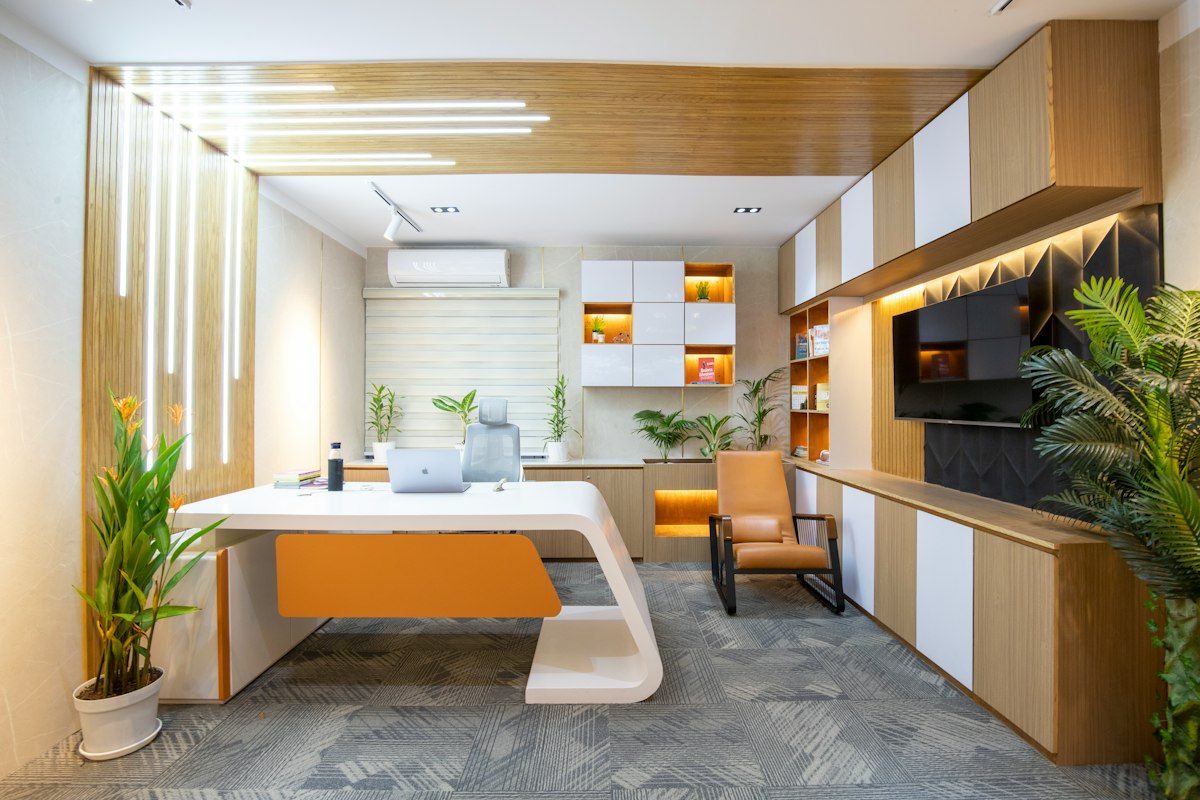
Low Budget Small Office Interior Design: Professional Workspace Transformation
Starting a business or managing a small team often means working within tight physical and financial constraints. You...
Read more →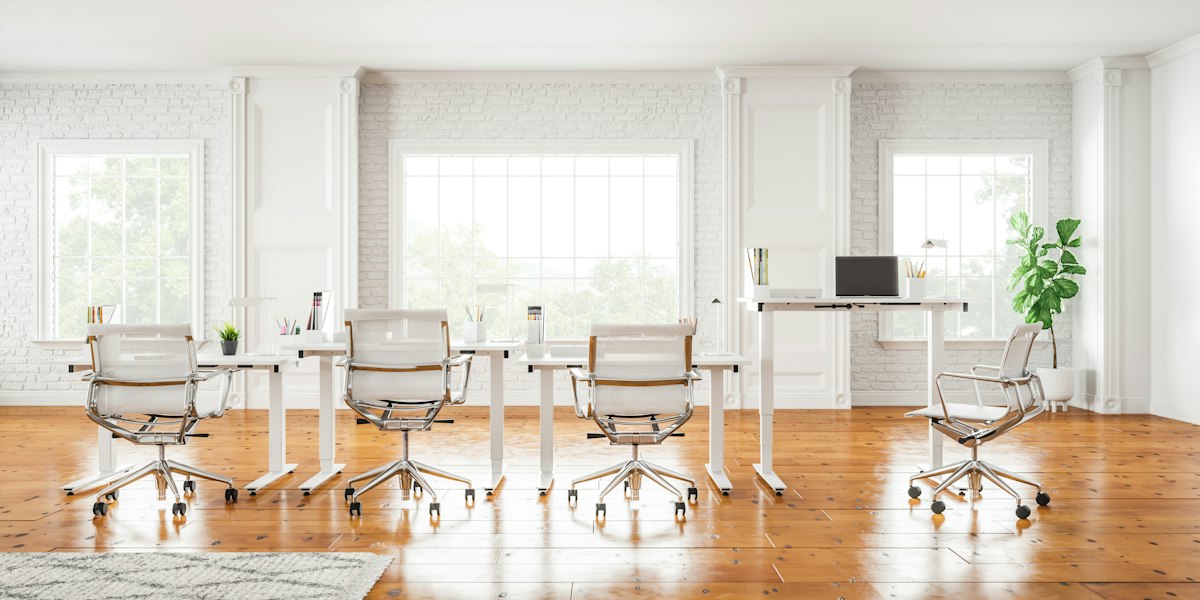
High-Performance Office Room Design for Modern Professionals
The physical space where you work acts as a silent partner in your daily output. It either facilitates...
Read more →This discussion explores practical, actionable methods to refresh your home on a shoestring. We will look at how to prioritize your spending, the art of upcycling, and why the most effective design changes often cost nothing at all. Whether you are tackling a single studio apartment or a family home, these principles will help you maximize your environment's potential while keeping your savings intact.
Key takeaways
- Prioritize layout and editing: Rearranging furniture and decluttering costs zero dollars but can completely change the flow and feel of a room.
- Leverage the power of paint: A fresh coat of paint remains the most cost-effective way to modernize a space or create a dramatic focal point.
- Source second-hand with intent: Thrift stores, estate sales, and online marketplaces offer high-quality materials and unique character at a fraction of retail prices.
- Layer your lighting: Moving away from harsh overhead lights toward a mix of lamps and accent lighting creates an expensive, curated atmosphere.
The Zero-Dollar Transformation: Editing and Layout
Before you spend a single cent on new accessories or furniture, you must evaluate what you already own. Most rooms suffer from "clutter creep," where unnecessary items accumulate and obscure the architectural features of the space. Start by removing everything from the room that doesn't serve a functional or aesthetic purpose. This process, often called "shopping your home," allows you to see the room's bones clearly and often reveals hidden gems you can move from other areas.
Once the room is edited, focus on the layout. Are the paths through the room clear? Is the furniture pushed against the walls in a way that feels cold? Moving a sofa away from the wall or angling a chair toward a window can make a room feel larger and more intentional. Experiment with different configurations to find a balance that encourages conversation and movement. This costs nothing but time and effort, yet it provides the foundation for all other design choices.
Paint: The High-Impact Hero of Low Budget Design
If you have fifty dollars to spend, paint is your best investment. It is the most transformative tool in the interior design arsenal. A common mistake is thinking only of the walls. While a fresh neutral or a bold accent wall can redefine a room, paint can also be used to breathe life into outdated furniture, kitchen cabinets, or even old floor tiles. Using a high-quality primer and the right finish can make a thrifted wooden table look like a designer piece from a boutique.
When choosing colors for a low-budget project, consider the mood you want to evoke. Lighter tones like soft whites, greys, and beiges can make a small, cramped room feel airy and expansive. Conversely, dark, moody colors like navy or charcoal can add a sense of luxury and depth to a small office or bedroom. Don't forget the ceiling; painting it a shade or two lighter than the walls can draw the eye upward, making the ceiling appear higher than it actually is.
Refurbishing Existing Pieces
Instead of buying new, look at your current furniture with a critical eye. Could those dated kitchen chairs look modern with a coat of matte black spray paint? Could an old dresser be transformed with new, modern hardware? Replacing handles and knobs is a subtle change that yields significant results. It is these small details that often signal "quality" to the eye, and they are easily found at hardware stores or online for very little money.
The Art of Thrifting and Upcycling
To achieve a high-end look on a budget, you must move away from mass-produced, "fast furniture" which often lacks durability and character. Thrift stores, flea markets, and Facebook Marketplace are goldmines for solid wood furniture and unique decor. The secret to successful thrifting is looking past the surface. A scratched wooden coffee table can be sanded and stained; a chair with ugly fabric can be reupholstered with a remnant of high-quality textile.
Focus on finding pieces with "good bones"—solid construction, interesting shapes, or quality materials like brass, marble, or oak. These items bring a sense of history and soul to a room that brand-new, flat-pack furniture simply cannot replicate. Mixing these found objects with your existing pieces creates a curated, layered look that suggests you have collected your belongings over time, a hallmark of professional interior design.
Lighting: Creating Atmosphere Without the Price Tag
Lighting is frequently overlooked in budget projects, yet it is one of the most effective ways to change the perceived value of a home. Harsh, central overhead lighting tends to flatten a room and highlight imperfections. To create a more sophisticated environment, aim for layered lighting. This involves using a combination of ambient, task, and accent lights to create depth and warmth.
You don't need expensive recessed lighting or designer pendants to achieve this. Floor lamps and table lamps placed in corners or next to seating areas create soft pools of light that make a space feel cozy. Consider using warm-toned LED bulbs (around 2700K) to avoid a sterile, clinical feel. For an even more affordable upgrade, add battery-operated puck lights under kitchen cabinets or inside bookshelves to highlight your favorite objects and create a high-end architectural effect.
Textiles and Soft Furnishings
Textiles are the "jewelry" of a room. They add texture, color, and comfort. If your sofa is looking a bit worn, a well-placed throw blanket and a few new cushions can mask the wear and update the style. When shopping for textiles on a budget, prioritize natural fabrics like cotton, linen, and wool. These materials look and feel more expensive than their synthetic counterparts and tend to age more gracefully.
Curtains are another area where you can see a massive return on investment. To make your windows look larger and your ceilings higher, hang your curtain rod closer to the ceiling rather than right above the window frame. Ensure the curtains reach all the way to the floor. This simple adjustment creates a more dramatic, custom look. You can often find affordable, high-quality curtains at discount retailers, or even use drop cloths from the hardware store for a rustic, linen-like appearance at a fraction of the cost.
Frequently Asked Questions
How much should I realistically budget for a one-room makeover?
A significant transformation can happen for as little as $200 to $500 if you focus on paint, second-hand furniture, and DIY updates. If you are only doing cosmetic changes like rearranging and decluttering, your cost could be near zero. The key is to allocate funds to one or two "statement" items while saving on everything else.
Is DIY interior design always cheaper than hiring a professional?
In terms of upfront costs, yes. However, DIY requires an investment of time and a willingness to learn. A professional designer can sometimes save you money by preventing expensive mistakes and providing access to trade discounts, but for most low-budget projects, the DIY route is the most practical way to stay within your financial limits.
Where are the best places to find affordable decor?
Look beyond traditional furniture stores. Thrift shops, estate sales, and online community groups are excellent. Discount retailers often have great seasonal decor, and even hardware stores are surprisingly good sources for lighting and organizational tools. Don't forget nature; a large branch in a glass vase or a collection of stones can be beautiful, free decor.
How can I make a rental property look better without losing my deposit?
Focus on "non-permanent" upgrades. Use large area rugs to cover ugly flooring, swap out standard light fixtures (keeping the originals to put back later), and use command hooks for art. Peel-and-stick wallpaper and floor tiles have also become high-quality options that can be removed easily when you move out.
What is the biggest mistake people make with low budget design?
The most common mistake is buying too many small, cheap items rather than saving for a few meaningful ones. A room filled with inexpensive "knick-knacks" often looks cluttered and messy. It is better to have a mostly empty room with one great thrifted armchair than a room full of low-quality accessories.
Conclusion
Achieving a beautiful home through low budget interior design is entirely possible when you shift your focus from buying to creating. By prioritizing layout, mastering the use of paint, and sourcing unique second-hand pieces, you can build a space that feels both personal and polished. Remember that the most inviting homes are not those with the most expensive furniture, but those that reflect the care and creativity of the people living in them. Start small, be patient with the process, and let your home evolve naturally as you find pieces that truly speak to your style.