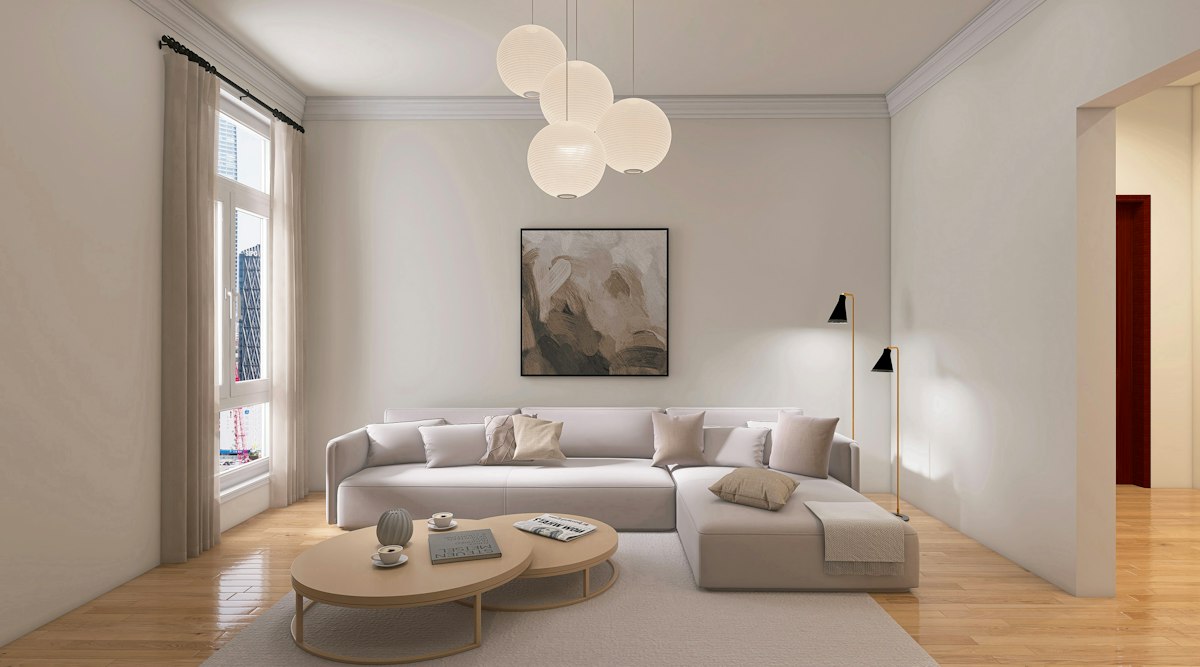
Low Cost Interior Design Strategies for a High-End Look
Walking into a luxury showroom often feels like a dream that is just out of reach. You see the perfectly curated textures, the mood lighting, and the bespoke furniture, only to glance at the price tag and feel a wave of disappointment. Most homeowners believe that achieving a magazine-worthy home requires a massive bank account, but that is a common misconception. Beautiful living spaces are born from creativity and resourcefulness, not just a high credit limit.
Low cost interior design is about mastering the art of the "high-low" mix. It involves knowing where to spend your limited funds for the biggest visual impact and where to save without sacrificing quality. Whether you are moving into your first apartment or trying to refresh a tired living room, you do not need a renovation loan to see a massive transformation. It is about shifting your perspective from buying more to buying smarter.
Related posts
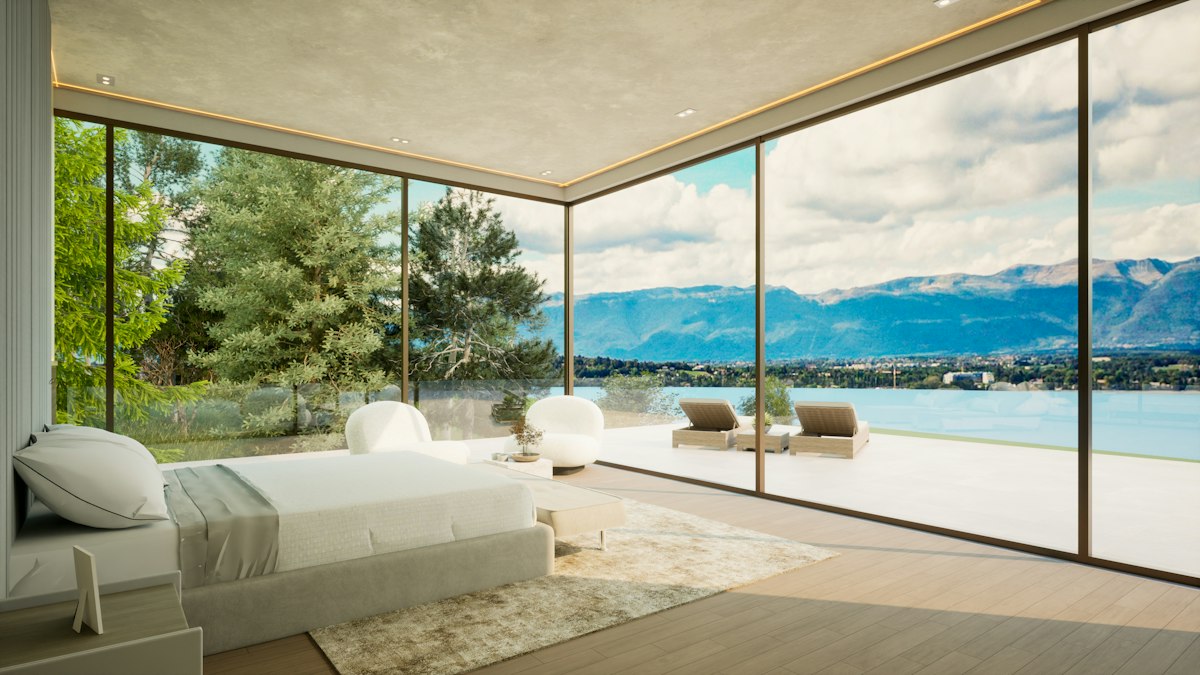
Luxury House Interior Design
True luxury house interior design transcends the simple accumulation of expensive items. It is an intentional practice that...
Read more →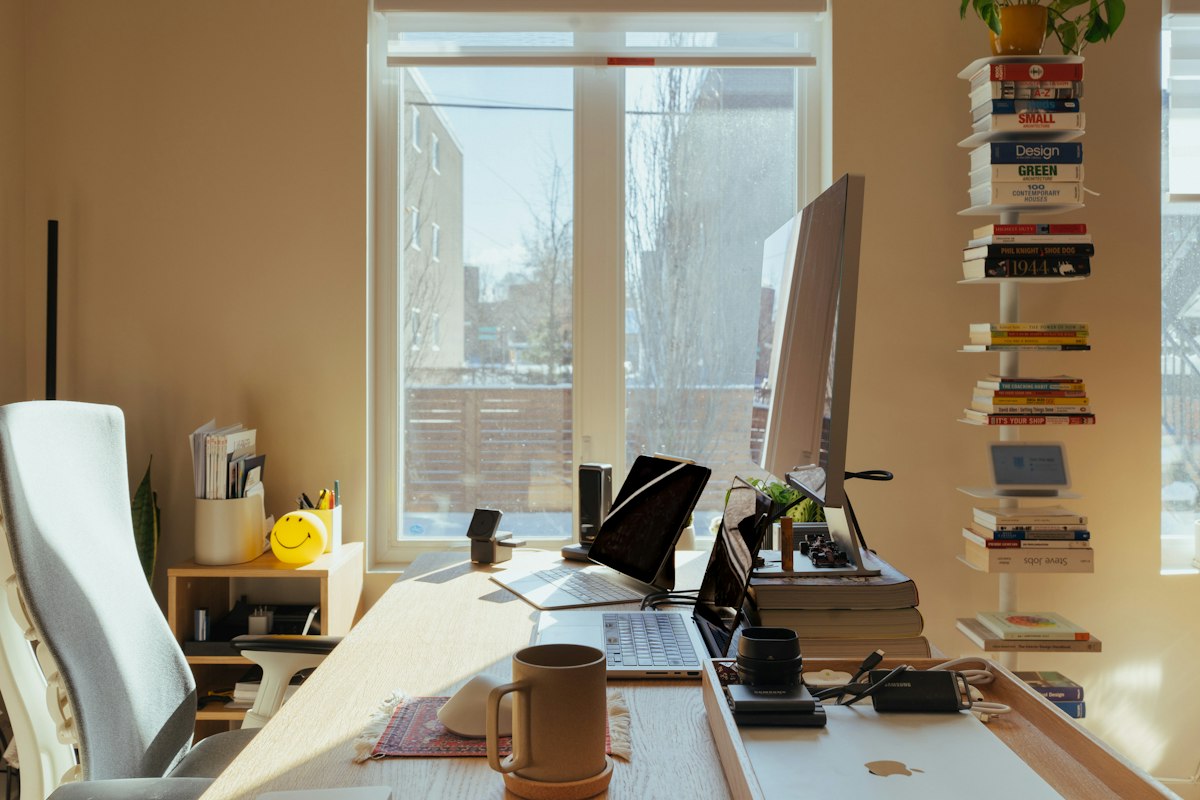
Home Office Interior Design: Professional Strategies for Productive Workspaces
The transition from a corporate cubicle to a residential workspace involves more than just finding a flat surface...
Read more →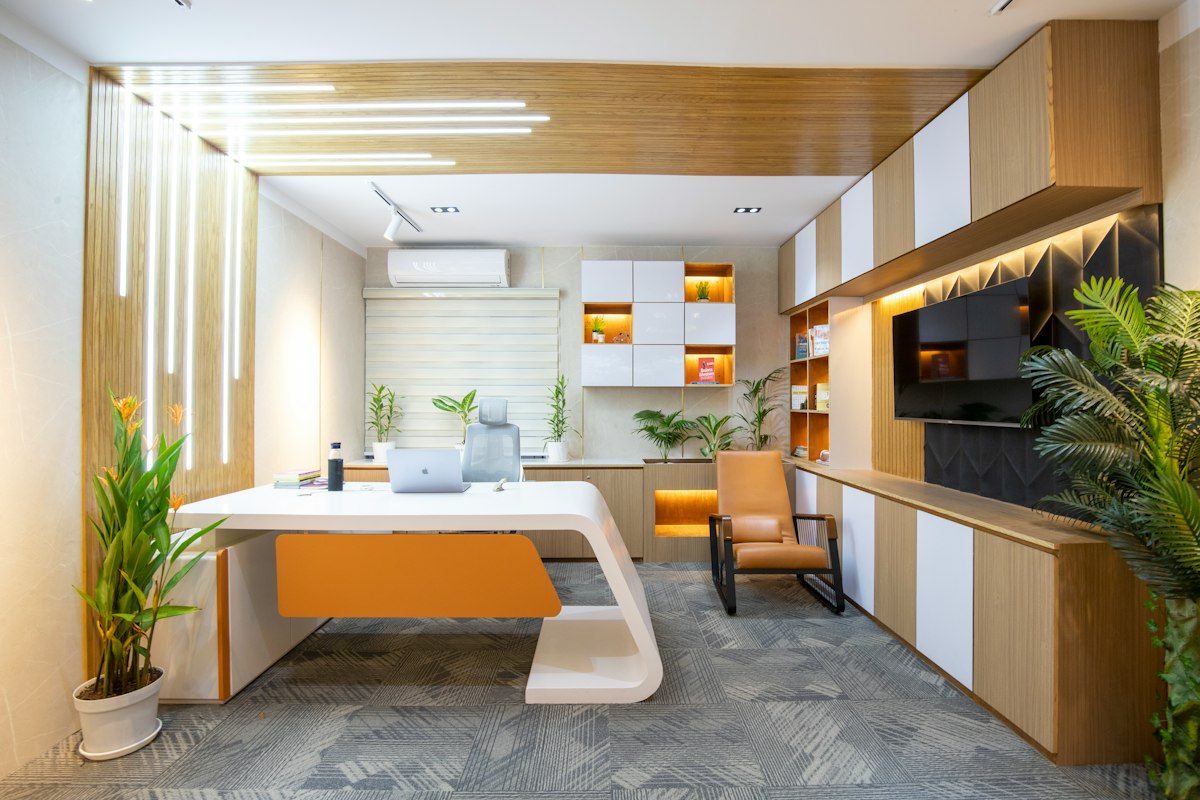
Low Budget Small Office Interior Design: Professional Workspace Transformation
Starting a business or managing a small team often means working within tight physical and financial constraints. You...
Read more →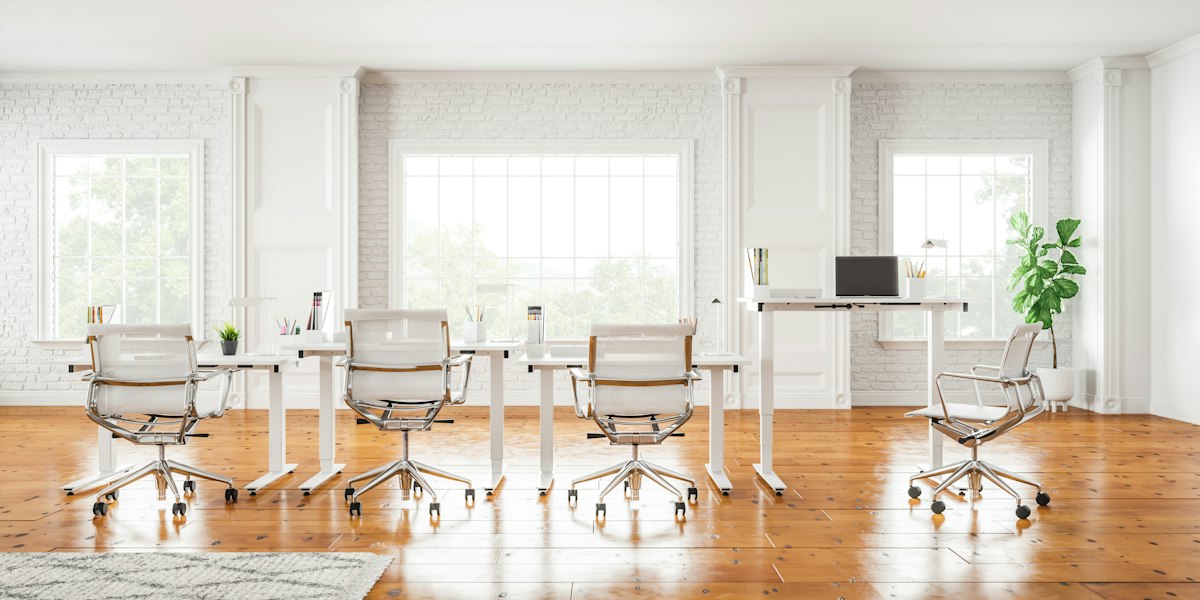
High-Performance Office Room Design for Modern Professionals
The physical space where you work acts as a silent partner in your daily output. It either facilitates...
Read more →In this discussion, we will explore how to rethink your existing space and make strategic upgrades that feel expensive. We will look at the power of color, the secrets of second-hand sourcing, and how professional designers manage to pull off luxury looks on a shoestring. By the end, you will have a clear roadmap for turning your home into a sanctuary that reflects your personality without draining your savings.
Key takeaways
- Focus on high-impact areas like walls and lighting first to change the room's mood instantly.
- Utilize second-hand markets and thrift stores to find high-quality materials at a fraction of retail prices.
- Adopt a minimalist mindset to reduce clutter, which naturally makes a space feel more intentional and upscale.
- Use textiles and layering to add depth and warmth without the need for structural changes.
The Philosophy of Budget-Friendly Aesthetics
Before picking up a paintbrush or browsing online marketplaces, it is important to understand that design is a problem-solving exercise. When funds are limited, your greatest asset is your time and your eye for detail. The goal is to create a cohesive environment where every item has a purpose. Many people make the mistake of buying cheap, trendy items that do not last, leading to a cluttered and disjointed home.
Instead, focus on the architecture of the room. Look at the natural light, the flow of traffic, and the existing features you can highlight. A well-placed mirror can double the perceived size of a room for under fifty dollars. Similarly, clearing out excess furniture can make a small room feel like a grand suite. Low cost interior design is as much about what you remove as what you add.
High-Impact Changes That Cost Very Little
If you have a limited budget, you must prioritize projects that offer the most significant visual return. Some changes are labor-intensive but financially inexpensive, making them perfect for the budget-conscious decorator.
The Power of a Fresh Coat of Paint
Paint is arguably the most effective tool in the low cost interior design arsenal. A new color can completely shift the energy of a room. For a sophisticated look, consider "moody" tones like deep charcoal, navy, or forest green for an accent wall. If you prefer a brighter feel, off-whites and warm greys create a clean, expensive-looking backdrop that allows your furniture to shine.
Do not stop at the walls. Old kitchen cabinets, dated wooden furniture, and even tile floors can be transformed with specialized paints. The cost of a few gallons of high-quality paint is negligible compared to the cost of replacing cabinetry or flooring.
Lighting as a Design Tool
Standard overhead lighting is often harsh and unflattering. To make a home feel high-end, you need layers. This means incorporating ambient, task, and accent lighting. You can find stylish floor lamps and table lamps at discount retailers or second-hand shops. Replacing a basic "boob light" ceiling fixture with a modern pendant can instantly modernize a space.
Another professional secret is the use of warm-toned bulbs. Cool white light can make a home feel like an office or a hospital. Switching to warm LEDs creates a cozy, inviting atmosphere that mimics the feel of a luxury hotel. Dimmers are also an inexpensive addition that allows you to control the mood of the room throughout the day.
Sourcing Furniture Without the Retail Markup
Buying brand-new furniture from high-end retailers is the fastest way to blow a budget. However, quality furniture does not have to be new. In fact, older pieces are often built with better materials, such as solid wood, compared to the particle board found in modern budget furniture.
Mastering the Second-Hand Market
Estate sales, thrift stores, and online marketplaces are goldmines for low cost interior design. The trick is to look for "good bones." A sofa with a dated fabric but a solid frame can be covered with a stylish slipcover. A wooden dining table with scratches can be sanded and refinished. When you shop second-hand, you are looking for quality craftsmanship that you can personalize.
Patience is your best friend here. Instead of trying to furnish an entire room in one weekend, wait for the right pieces to appear. This "curated" approach results in a home that feels lived-in and authentic rather than like a page from a generic catalog.
Upcycling and the IKEA Hack Culture
There is a massive community dedicated to "hacking" basic furniture. By taking a simple, inexpensive piece and adding custom handles, new legs, or a coat of paint, you can create something that looks bespoke. Replacing the plastic legs on a budget sofa with turned wooden legs can make it look like it cost three times as much. These small details signal quality to the eye.
Strategic Styling and Layout
Sometimes, the best low cost interior design move costs zero dollars. Moving your furniture into a more functional arrangement can breathe new life into a space. Avoid pushing all your furniture against the walls; "floating" a sofa in the middle of a room can create a more intimate and professional layout.
The Importance of Negative Space
Luxury design often relies on breathing room. When every square inch of a room is filled with stuff, the eye has nowhere to rest. By embracing minimalism and keeping surfaces relatively clear, you allow your best pieces to stand out. Choose one or two large decorative items for a coffee table rather than a dozen small trinkets.
Using Textiles to Build Texture
Textiles are the secret to a comfortable, layered home. Rugs, curtains, and throw pillows add color and softness. To save money, look for large area rugs in natural fibers like jute or sisal, which are generally more affordable than wool but still look sophisticated. Ensure your curtains are hung high and wide—this trick makes windows look larger and ceilings look higher, a hallmark of expensive design.
Evaluating Professional Help vs. DIY
While DIY is the cornerstone of saving money, there are times when spending a small amount on professional advice can save you from expensive mistakes. Many designers now offer "e-design" services or hourly consultations. For a few hundred dollars, they can provide a floor plan and a shopping list, ensuring you do not waste money on furniture that is the wrong size or color.
If you choose to go it alone, be honest about your skill level. Simple painting and furniture assembly are great for beginners. However, electrical work or plumbing should usually be left to professionals to avoid safety risks and future repair costs. Balancing your sweat equity with professional expertise is the most sustainable way to manage a low cost interior design project.
Frequently Asked Questions
How much does low cost interior design usually cost per room?
A significant transformation can be achieved for as little as $500 to $1,500 per room. This budget typically covers paint, a few second-hand furniture pieces, new lighting, and updated textiles. The final cost depends heavily on how much labor you are willing to do yourself and how effectively you source used items.
Can I hire an interior designer if I have a very small budget?
Yes, many modern designers offer "consultation-only" packages or digital design services. Instead of a full-service renovation, they provide a roadmap that you execute yourself. This is an excellent way to get professional style without the high commission fees usually associated with traditional design services.
What is the single most effective way to change a room's feel?
Changing the lighting is usually the most effective move. By removing harsh overhead lights and adding lamps with warm bulbs at different heights, you can hide imperfections and create a sophisticated atmosphere instantly. Paint is a close second, as it covers the most surface area for the least amount of money.
How do I make cheap furniture look more expensive?
Focus on the hardware and the legs. Replacing standard plastic or metal handles with brass, leather, or matte black hardware can elevate a basic cabinet. Additionally, adding a custom-cut glass or marble top to a cheap side table can give it a high-end, custom appearance.
Is it better to buy one expensive item or many cheap ones?
It is almost always better to save for one high-quality "anchor" piece, like a comfortable sofa or a solid dining table, and then fill in the rest with budget-friendly or thrifted items. High-quality pieces last longer and provide a sense of stability and luxury that cheap sets cannot replicate.
Conclusion
Creating a beautiful home does not require a fortune; it requires a strategy. By focusing on high-impact changes like paint and lighting, sourcing unique second-hand pieces, and paying attention to the small details, you can achieve a sophisticated look on a minimal budget. Remember that the most inviting homes are those that reflect the personality and history of the people living in them. Start small, be patient with the process, and enjoy the satisfaction of building a stylish space through your own ingenuity and effort.