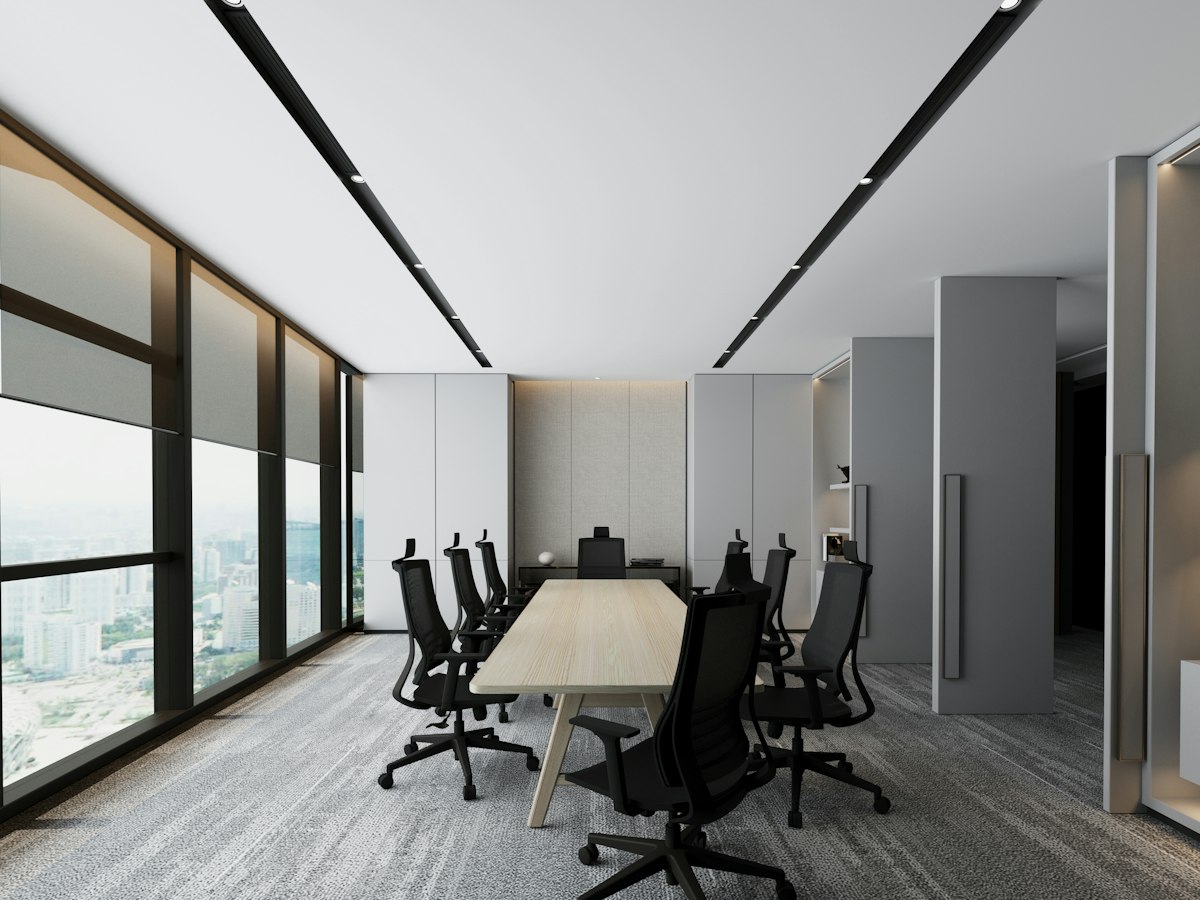
Professional Office Room Interior Design: Optimizing Workspaces for Peak Performance
Most professionals spend more time at their desks than in their beds, yet the environment where they work is frequently the most neglected room in the house or building. A workspace is not merely a collection of furniture; it is a functional engine that can either accelerate your output or drain your energy through poor ergonomics and visual clutter. When you approach office room interior design with intention, you are investing in your long-term focus and physical health.
The challenge often lies in balancing the rigid requirements of professional equipment with the aesthetic comfort of a living space. Whether you are transforming a corporate executive suite or a dedicated home office, the goal remains the same: creating a sanctuary of concentration. This requires more than just buying a trendy desk; it involves a strategic look at lighting, acoustics, and the psychological impact of your surroundings.
Related posts
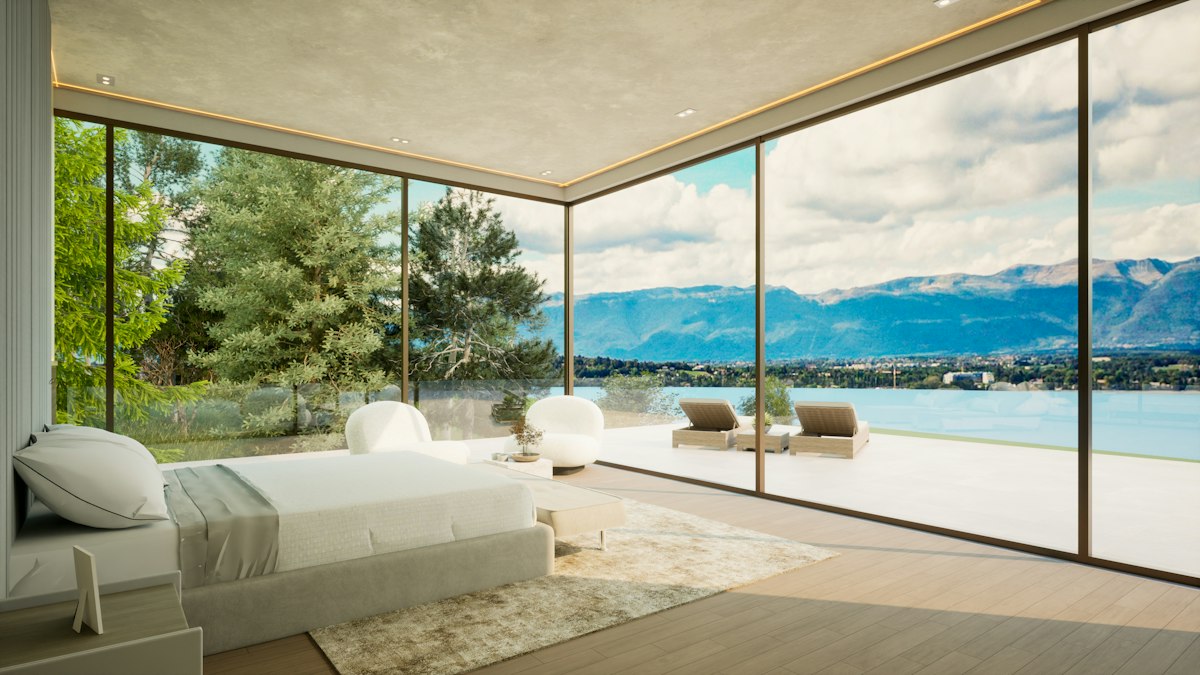
Luxury House Interior Design
True luxury house interior design transcends the simple accumulation of expensive items. It is an intentional practice that...
Read more →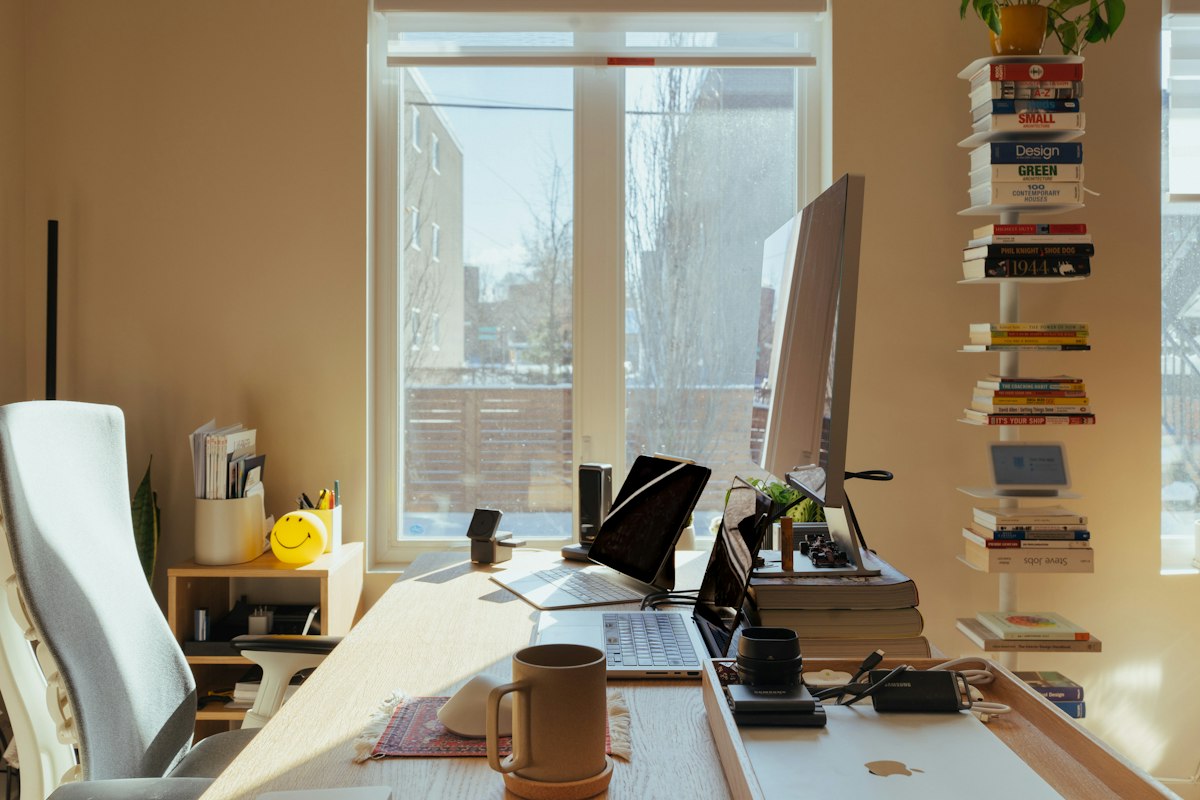
Home Office Interior Design: Professional Strategies for Productive Workspaces
The transition from a corporate cubicle to a residential workspace involves more than just finding a flat surface...
Read more →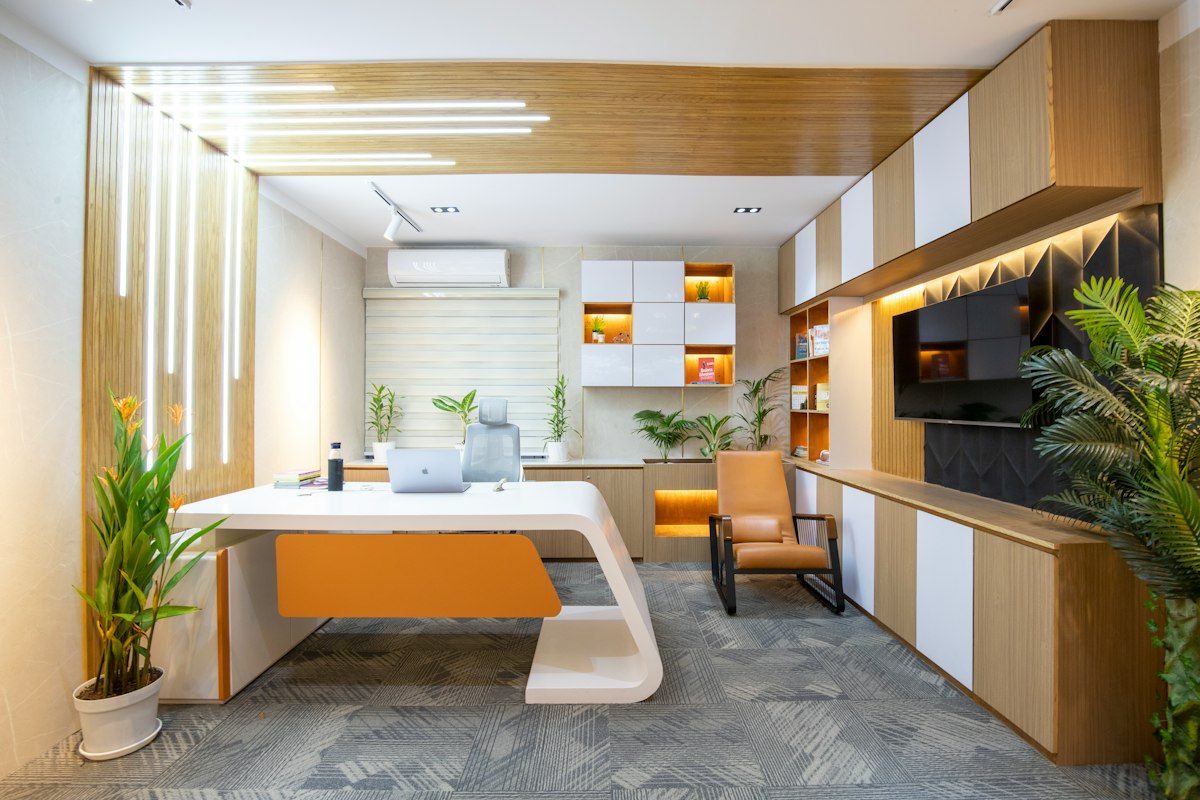
Low Budget Small Office Interior Design: Professional Workspace Transformation
Starting a business or managing a small team often means working within tight physical and financial constraints. You...
Read more →
High-Performance Office Room Design for Modern Professionals
The physical space where you work acts as a silent partner in your daily output. It either facilitates...
Read more →This discussion covers the practical steps to building an office that works as hard as you do. We will examine how to select materials that last, how to position furniture for maximum efficiency, and how to manage the technical requirements of a modern digital workflow without sacrificing style. By the end, you will have a clear framework for making design decisions that prioritize both form and function.
Key takeaways
- Prioritize Ergonomics: Invest in a high-quality chair and adjustable desk to prevent long-term physical strain and fatigue.
- Layer Your Lighting: Combine natural light with task-specific lamps to reduce eye strain and maintain energy levels throughout the day.
- Optimize for Focus: Use color psychology and acoustic management to minimize distractions and enhance mental clarity.
- Smart Storage: Implement vertical and hidden storage solutions to keep the workspace clear of visual clutter.
The Foundation of Ergonomic Layouts
The most expensive desk in the world is worthless if it forces you into a posture that causes back pain. Ergonomics should be the non-negotiable starting point for any office room interior design project. Your chair is the most significant investment you will make. Look for models that offer lumbar support, adjustable armrests, and seat depth customization. The goal is to keep your feet flat on the floor and your knees at a 90-degree angle.
Desk height is equally important. While standard desks sit at roughly 29 to 30 inches, many people find that a height-adjustable or "sit-stand" desk provides the flexibility needed to stay active during long calls. Position your monitor so the top third of the screen is at eye level. This prevents the constant neck tilting that leads to tension headaches. If you use a laptop, a dedicated stand and external keyboard are essential for maintaining a healthy posture.
Mastering the Lighting Scheme
Lighting is often the difference between a space that feels clinical and one that feels inspiring. Relying solely on overhead fluorescent or LED panels is a common mistake that leads to glare and headaches. Instead, aim for a layered approach. Start with natural light; positioning your desk perpendicular to a window provides the best illumination without the screen glare caused by having a window directly behind or in front of you.
Task and Ambient Lighting
For the second layer, add task lighting. A high-quality desk lamp with an adjustable arm allows you to direct light exactly where you need it for reading or manual tasks. Look for bulbs with a color temperature between 3000K and 4000K; this range mimics natural daylight and helps keep you alert without being overly harsh. Finally, add ambient lighting, such as a floor lamp or warm LED strips behind a monitor, to soften the shadows in the room and reduce the contrast between your screen and the walls.
Color Psychology in the Workspace
The colors you choose for your office room interior design directly influence your mood and cognitive performance. While stark white might seem clean, it can often feel cold and sterile, leading to eye strain. Soft neutrals like greige or warm whites are better for general walls as they provide a calm backdrop for various tasks. If your work requires intense focus and analytical thinking, shades of blue are scientifically proven to aid concentration.
For creative professionals, accents of yellow or orange can stimulate energy and inspiration. However, use these high-energy colors sparingly to avoid overstimulation. Green is another excellent choice for offices, as it is the easiest color for the human eye to process and evokes a sense of balance and nature. Consider using a matte finish for paint to reduce reflections from your lighting sources.
Managing Acoustics and Privacy
In an era of frequent video calls and deep-work sessions, sound management is a functional necessity. Hard surfaces like hardwood floors and bare walls bounce sound waves, creating echoes that make virtual meetings difficult. You can mitigate this by introducing soft materials into the design. A thick area rug not only defines the workspace but also absorbs significant floor-level noise.
Acoustic Treatments
If you are working in a shared environment or a noisy household, consider acoustic wall panels. Modern designs offer these in felt or fabric-wrapped styles that look like contemporary art rather than industrial insulation. Bookshelves filled with books are also excellent natural sound diffusers. For those requiring absolute silence, heavy drapes or sound-dampening doors can provide the necessary barrier to external distractions.
Storage Solutions and Organization
A cluttered desk is a cluttered mind. Effective office room interior design incorporates storage that is both accessible and discrete. Vertical space is frequently underutilized; installing floating shelves or tall cabinetry allows you to keep the floor clear while providing plenty of room for files and equipment. If you deal with a lot of paperwork, a dedicated filing system hidden within a sleek sideboard can maintain a professional aesthetic.
Cable management is another area where design meets utility. Use desks with built-in grommets or attach cable trays to the underside of your work surface. Grouping cords with sleeves or clips prevents the "spaghetti" look that often ruins the visual appeal of a modern office. When every item has a designated home, the transition from "work mode" to "rest mode" becomes much easier at the end of the day.
The Role of Biophilic Design
Integrating natural elements into your office is more than just a trend; it is a way to reduce stress and improve air quality. Plants like Snake Plants, Pothos, or ZZ Plants are low-maintenance options that thrive in typical office conditions. The presence of greenery has been shown to lower cortisol levels and increase productivity by up to 15%.
Beyond plants, consider using natural materials like wood, stone, or linen in your furniture and decor. A solid wood desk provides a tactile warmth that metal or laminate cannot replicate. These organic textures help ground the room, making it feel less like a clinical workstation and more like an integrated part of a well-designed home or building.
FAQ
How much should I expect to spend on a professional office setup?
A functional, mid-range office setup typically costs between $1,500 and $3,500. This includes a high-quality ergonomic chair ($500-$1,000), a solid desk ($400-$800), adequate lighting, and basic storage. Luxury setups with custom cabinetry and designer furniture can easily exceed $10,000.
What is the best floor plan for a small office room?
In small rooms, the "L-shaped" desk configuration in a corner is often the most efficient use of space. This provides two distinct zones—one for computer work and one for paperwork or meetings—while leaving the center of the room open to prevent a cramped feeling.
How do I choose the right desk material?
Solid wood is the most durable and aesthetically pleasing but requires a higher budget. Laminate is cost-effective and resistant to scratches, making it ideal for high-traffic areas. Glass desks look modern and help a small room feel larger, but they show fingerprints easily and can feel cold to the touch.
Can I design an office without a window?
Yes, though it requires more attention to lighting. Use "daylight" spectrum bulbs and consider adding a large mirror to reflect light and create the illusion of depth. Adding high-quality landscape art or a large number of indoor plants can also help compensate for the lack of a natural view.
What are the most common mistakes in office design?
The most frequent errors include choosing a chair based on looks rather than support, placing the desk in a position that causes screen glare, and failing to plan for power outlet access. Always map out your electronics before finalizing your furniture placement.
Conclusion
Effective office room interior design is a strategic balance between personal style and professional requirements. By prioritizing your physical comfort through ergonomics and your mental focus through smart lighting and color choices, you create a space that supports your goals rather than hindering them. Remember that a workspace should evolve with your needs; start with the high-impact essentials like a great chair and proper lighting, then refine the details of storage and decor over time. A well-designed office is not just a place to work—it is a tool for success.